

Facebook for Healthcare Marketing: What Medical Practices Get Wrong

Facebook for Healthcare Marketing: What Medical Practices Get Wrong
Your medical practice delivers excellent patient care. Yet your appointment slots stay empty while average competitors stay booked. You know Facebook could help, but HIPAA concerns, limited time, and uncertainty about what to post keep you paralyzed. The uncomfortable truth? Your competitors are building thriving practices on Facebook while you watch from the sidelines.
Here's exactly how to use Facebook for healthcare marketing effectively, compliantly, and without overwhelming your already-busy practice.
Create content, post everywhere
Create captions, images, and videos with AI. Schedule to 9 platforms in seconds.
Start your free trial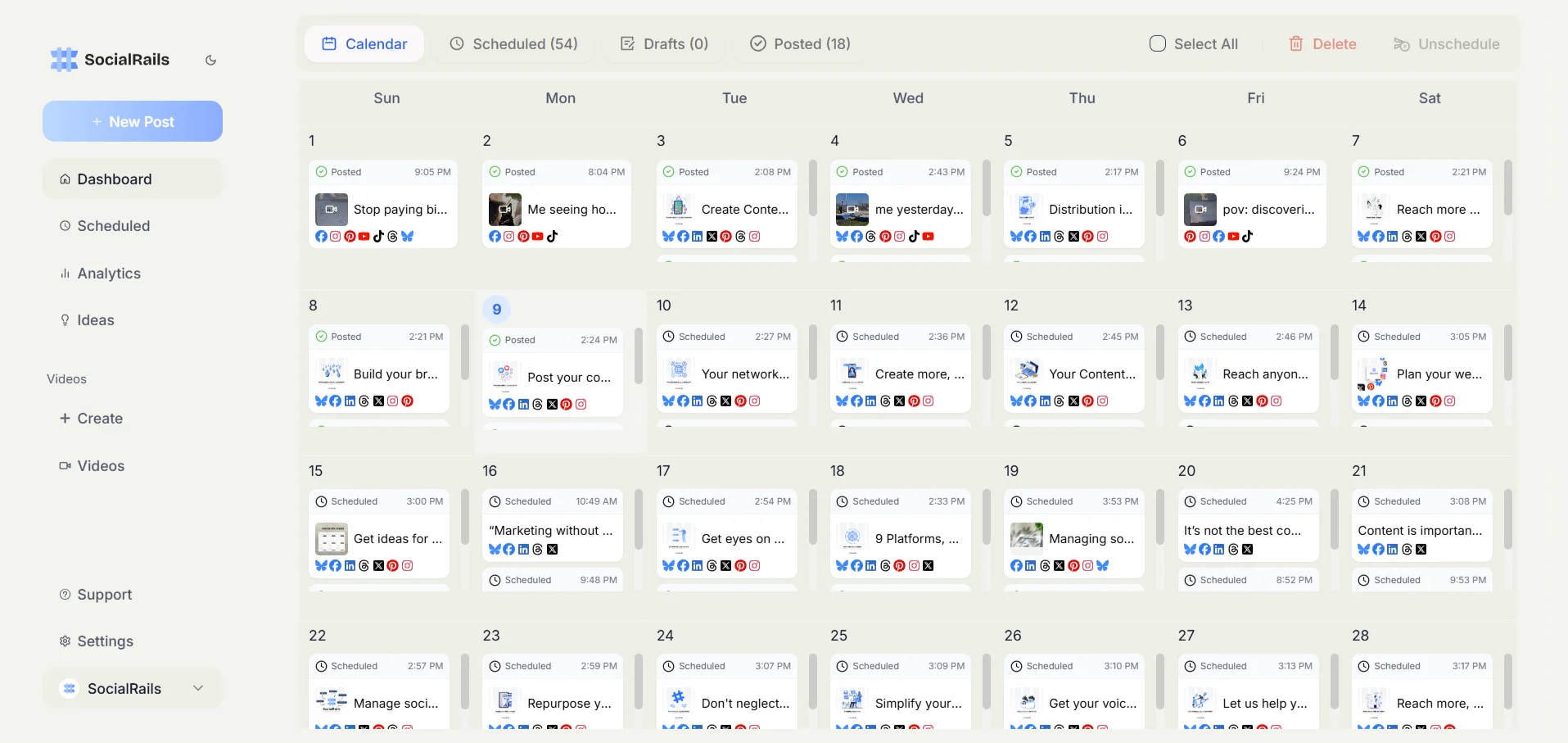
Why Facebook Matters for Healthcare Marketing
The patient behavior shift:
- 77% of patients search online before booking medical appointments
- 41% of patients say social media affects their healthcare choices
- Facebook is the #1 platform patients use to research providers
- 72% of patients trust online reviews as much as personal recommendations
- Average patient checks 3-5 providers online before deciding
What Facebook offers healthcare providers:
- Build trust before patients ever call
- Educate community about health topics
- Share patient success stories (compliantly)
- Establish expertise and authority
- Generate appointment requests
- Improve patient retention and referrals
The HIPAA concern (addressed): You CAN market healthcare services on Facebook compliantly. The key is understanding what's allowed and what's not.
Facebook Healthcare Marketing: HIPAA Compliance First
What IS Allowed on Facebook
✓ Educational health content:
- General health tips and wellness advice
- Explanations of procedures and treatments
- Disease prevention information
- Seasonal health reminders
- Nutrition and fitness guidance
✓ Practice information:
- Office hours and location
- Services offered
- New technology or treatments available
- Team introductions (with staff consent)
- Practice achievements and certifications
✓ Patient testimonials (with written consent):
- Written reviews and testimonials
- Video testimonials (with explicit consent)
- Before/after photos (with signed release)
- Success stories (anonymized or with permission)
✓ Community engagement:
- Health awareness campaigns (veterinary clinics can use our Vet Clinic Awareness Post Generator for educational content)
- Local event participation
- Charity involvement
- Practice culture and values
What IS NOT Allowed
❌ Protected Health Information (PHI) without consent:
- Patient names without permission
- Treatment details without authorization
- Appointment information
- Medical records or results
- Photos identifying patients without release
❌ Responding to patient questions publicly:
- Specific medical advice in comments
- Discussing individual cases
- Confirming someone is a patient
- Sharing private health information
✓ Do instead: Direct them to call/email privately for medical questions
Getting Proper Consent
For any patient-identifiable content:
Written consent must include:
- Specific description of what will be shared
- Platforms where it will be published
- Duration of use
- Right to revoke consent
- Patient signature and date
Best practices:
- Get consent at time of service
- Keep signed forms on file indefinitely
- Never assume consent for future content
- Allow patients to decline without affecting care
- Check consent before each use
What's the most critical HIPAA requirement for healthcare providers using Facebook?
💡 Tip: Think carefully before selecting your answer!
Facebook Healthcare Marketing Strategy
Content Pillars for Healthcare Providers
Content Distribution Formula:
Pillar 1: Educational Content (60% of posts)
Health tips and wellness:
- Seasonal health advice (flu prevention, allergy management)
- Chronic condition management tips
- Preventive care reminders
- Nutrition and exercise guidance
- Mental health awareness
Example posts:
"5 Signs You Should See a Doctor About That Persistent Cough

1. Cough lasting more than 3 weeks
2. Coughing up blood or discolored mucus
3. Shortness of breath accompanying cough
4. Fever over 101°F
5. Chest pain when breathing deeply

Don't wait if you're experiencing these symptoms. Early diagnosis leads to better outcomes.

Call [practice number] to schedule an appointment.
Procedure explanations:
- What to expect during common procedures
- Preparation instructions
- Recovery timelines
- Technology and equipment used
- Benefits and risks explained simply
Myth-busting content:
- Common health misconceptions
- Evidence-based corrections
- Source credible research
- Help patients make informed decisions
Pillar 2: Practice Culture & Team (20% of posts)
Team introductions:
- Provider backgrounds and specialties
- Staff spotlights
- Certifications and training
- Why they chose healthcare
- Personal interests (appropriate)
Example:
Meet Dr. Sarah Chen, Our Pediatrician

Dr. Chen joined our practice in 2019 after completing her residency at Children's Hospital. She specializes in childhood allergies and asthma management.

"I love building long-term relationships with families and watching kids grow up healthy."

Board Certified in Pediatrics
Member, American Academy of Pediatrics
Speaks English, Mandarin, Spanish

New patients welcome! Call [number] to schedule.
Behind-the-scenes:
- Office renovations or improvements
- New technology being implemented
- Community involvement
- Team training and development
- Practice values in action
Pillar 3: Patient Success Stories (10% of posts)
With explicit consent:
- Written testimonials about care experience
- Video testimonials (powerful)
- Before/after transformations (dental, cosmetic, PT)
- Recovery journey stories
- Life improvements from treatment
Anonymized success stories:
- No names or identifying details
- "A patient recently..."
- General outcomes without specifics
- Composite stories from multiple cases
Example (anonymized):
Patient Success Story

A 45-year-old patient came to us with chronic knee pain preventing them from enjoying activities with their grandchildren.

After thorough evaluation and 12 weeks of physical therapy, they're now:
✓ Pain-free during daily activities
✓ Walking 3+ miles without discomfort
✓ Playing with grandkids again
✓ Avoiding surgery through conservative treatment

Every patient is different, but we're here to help you regain mobility and quality of life.

Schedule your evaluation: [phone]
Pillar 4: Community Engagement (10% of posts)
- Health awareness campaigns
- Free screening events
- Charity partnerships
- Local sponsorships
- Community health initiatives
- Practice milestone celebrations
Content Calendar for Healthcare Providers
Weekly rhythm:
Monday: Educational health tip or wellness advice Tuesday: Team spotlight or practice culture Wednesday: Seasonal health reminder or prevention Thursday: Patient success story (with consent) or anonymized case Friday: Weekend wellness tip or office hours reminder
Monthly themes:
January: New Year health goals, flu season February: Heart health, preventive care March: Nutrition, sleep health April: Allergy season, spring wellness May: Mental health awareness, outdoor safety June: Sun safety, summer health July: Hydration, heat safety August: Back-to-school health September: Flu shots, fall allergies October: Breast cancer awareness, fall wellness November: Diabetes awareness, holiday health December: Stress management, winter safety
Facebook Advertising for Healthcare
Compliant Ad Strategies
What you CAN advertise:
- General health services
- Preventive care reminders
- New patient appointments available
- Free consultations or screenings
- Health education events
- Technology or treatment options
What you CANNOT advertise:
- Specific medical conditions targeting affected individuals
- Sensitive health categories (mental health, sexual health, addictions)
- Prescription medications
- Patient outcomes without disclaimers
Effective Healthcare Facebook Ads
Campaign 1: New Patient Acquisition
Objective: Lead generation or website conversions Target audience:
- Location: 10-mile radius
- Age: 25-65 (adjust for specialty)
- Interests: Health & wellness, family, fitness
- Exclude: Current patients (if possible through Custom Audience)
Ad example:
"New Patients Welcome at [Practice Name]

Same-week appointments available
[List of specialties]
Most insurance accepted
Board-certified providers
Evening and weekend hours

Schedule your appointment: [website]
Call: [phone]
Budget: $15-30/day Expected: $20-40 per lead
Campaign 2: Seasonal Service Promotion
Example: Flu Shot Campaign
Target:
- Location: Local area
- Age: 30-70
- Interests: Health, family, seniors
Ad:
"Flu Season is Here - Get Your Flu Shot

✓ Walk-ins welcome Monday-Friday 9 AM - 5 PM
✓ Most insurance covers at $0 cost
✓ Protects you and your family
✓ Takes less than 15 minutes

[Practice Name]
[Address]
[Phone]
Budget: $10-20/day during flu season ROI: High (preventive care visit often leads to other appointments)
Campaign 3: Free Screening Event
Target:
- Geographic area
- Age/demographics for specific screening
- Health-conscious interests
Ad:
"FREE Health Screening Event

Saturday, March 15th, 9 AM - 2 PM

Free screenings include:
✓ Blood pressure
✓ Glucose levels
✓ BMI assessment
✓ Health risk consultation

No appointment necessary
Open to community
[Location]

RSVP appreciated: [link]
Budget: $50-100 total for event promotion Value: Community goodwill + new patient acquisition
Retargeting for Healthcare
Compliant retargeting:
- Website visitors (general pages only)
- Engaged social media followers
- Event attendees
- Newsletter subscribers
Retargeting ads:
- Appointment reminders (general, not personal)
- Educational content they viewed
- Practice differentiation messaging
- Preventive care reminders
Never retarget based on:
- Specific health conditions viewed
- Sensitive page visits
- Personal health information
Engagement Best Practices for Healthcare
Responding to Comments
General health questions:
❌ Don't: Provide specific medical advice publicly
✓ Do: "Great question! For personalized medical advice, please call us at [phone] to speak with a provider. Every situation is unique and requires individual evaluation."
Compliments and positive feedback:
✓ "Thank you! We're honored to serve you and our community. If you have a moment, we'd appreciate a review at [link]."
Complaints or concerns:
✓ "We're sorry to hear about your experience. Please call our practice manager at [number] so we can address this privately. Your feedback helps us improve."
Requests for appointments:
✓ "We'd love to see you! Please call [phone] or visit [website] to schedule. We have same-week appointments available."
Community Management
Moderation policy:
- Remove spam immediately
- Hide/delete abusive or offensive comments
- Don't engage with trolls
- Respond professionally to criticism
- Move private health matters to private channels
Response time goals:
- Respond within 4 hours during business hours
- Acknowledge after-hours inquiries next business day
- Urgent medical questions: Direct to call immediately
Measuring Facebook Healthcare Marketing Success
Key Metrics
Engagement metrics:
- Post reach (people seeing content)
- Engagement rate (likes, comments, shares / reach)
- Video views and watch time
- Click-through rate to website
- Follower growth rate
Lead metrics:
- Appointment requests from Facebook
- Phone calls from ads
- Website form submissions
- Email inquiries
- Event registrations
Patient acquisition:
- New patients who found you on Facebook
- Source tracking at intake ("How did you hear about us?")
- Cost per new patient acquisition
- Lifetime value of Facebook-sourced patients
Benchmarks for Healthcare
Facebook Page:
- Followers: 500+ for new practice, 2,000+ for established
- Engagement rate: 2-5% (healthcare typically lower than other industries)
- Post reach: 5-15% of followers organically
- Monthly growth: 50-200 followers depending on marketing
Facebook Ads:
- Cost per lead: $20-60 (varies by specialty and location)
- Click-through rate: 0.5-2%
- Conversion rate (lead to appointment): 15-35%
- Cost per new patient: $100-400
Content performance:
- Educational posts: Highest reach, moderate engagement
- Patient stories: High engagement, moderate reach
- Team posts: Moderate engagement and reach
- Promotional posts: Lower engagement, necessary for conversions
Common Facebook Healthcare Marketing Mistakes
❌ Posting only promotional content
- "We have appointments available!" repeatedly
- No educational value
- Appears desperate
- Drives followers away
✓ Do instead: 80% educational/community, 20% promotional
❌ Inconsistent posting
- Posting daily for 2 weeks, then silent for months
- Confuses algorithm and audience
- Loses momentum
✓ Do instead: Consistent 3-5x weekly schedule, batch create content
❌ Ignoring comments and messages
- Signals poor patient service
- Misses lead opportunities
- Damages reputation
✓ Do instead: Respond within 4 hours, have clear process
❌ Sharing patient info without consent
- "Congratulations to John on his successful surgery!"
- Before/after photos without release
- Acknowledging someone is your patient
✓ Do instead: Get explicit written consent for all patient-identifiable content
❌ Providing medical advice in comments
- Creates liability
- Incomplete information dangerous
- Not a substitute for proper evaluation
✓ Do instead: Direct to call practice for personalized medical advice
❌ Using stock photos exclusively
- Inauthentic
- Doesn't showcase real practice
- Fails to build connection
✓ Do instead: Real photos of team, office, community involvement
❌ No clear call-to-action
- Educational posts with no next step
- Missing phone number or website
- Unclear how to book appointments
✓ Do instead: Every post includes clear path to schedule appointment
What's the ideal content mix for healthcare providers on Facebook?
💡 Tip: Think carefully before selecting your answer!
Healthcare-Specific Content Ideas
For Primary Care/Family Medicine
Educational topics:
- Annual physical importance
- Preventive screenings by age
- When to see doctor vs urgent care vs ER
- Chronic disease management
- Vaccination schedules
- Common cold vs flu vs COVID
Seasonal content:
- Back-to-school physicals
- Flu shot reminders
- Allergy season management
- Summer safety tips
- Holiday stress management
For Dental Practices
Educational topics:
- Proper brushing and flossing techniques
- Foods that damage teeth
- Cavity prevention for kids
- Teeth whitening options
- Gum disease warning signs
- Cosmetic dentistry benefits
Visual content:
- Before/after smile transformations (with consent)
- Technology demonstrations
- Patient testimonials
- Kids' visits (with parent consent)
Learn from: Our dental implant marketing guide and dentist digital marketing guide
For Specialists
Orthopedics:
- Sports injury prevention
- Joint health maintenance
- When to consider surgery
- Post-surgery recovery tips
- Physical therapy benefits
Podiatry:
- Foot care for diabetics
- Proper shoe selection
- Common foot problems explained
- Running injury prevention
- Nail and skin conditions
Audiology:
- Hearing loss warning signs
- Hearing aid technology advances
- Protecting hearing at work
- Tinnitus management
- Children's hearing development
See: Audiology marketing guide
Orthodontics:
- Invisalign vs traditional braces
- Best age to start orthodontics
- Adult orthodontics options
- Retainer importance
- Before/after transformations
See: Orthodontist marketing guide
Healthcare Facebook Marketing Tools
Content creation:
- Canva (health graphics and infographics)
- Stock photos: Unsplash, Pexels (diverse healthcare images)
- Video editing: CapCut for educational videos
- Caption tools: Our free caption generators
Scheduling:
- Meta Business Suite (free for Facebook/Instagram)
- Buffer or Hootsuite (paid options)
- Batch create monthly content
Compliance:
- HIPAA compliance checklist
- Patient consent form templates
- Legal review of marketing materials
- Staff training on social media policies
Analytics:
- Facebook Page Insights (built-in)
- Google Analytics (website traffic from Facebook)
- Call tracking software
- Patient intake source tracking
Frequently Asked Questions
Can healthcare providers use Facebook for marketing?
Yes, absolutely. Healthcare providers can and should use Facebook for marketing while maintaining HIPAA compliance. You can share educational health content, practice information, team introductions, and patient testimonials with proper consent. Millions of patients research healthcare providers on Facebook before booking appointments. The key is understanding HIPAA guidelines and following compliant practices.
How do I share patient testimonials on Facebook without violating HIPAA?
Get explicit written consent that specifies: what content will be shared (testimonial text, photos, videos), which platforms it will appear on, duration of use, and patient's right to revoke consent. Keep signed consent forms on file indefinitely. Never share patient-identifiable information without this written authorization. Alternatively, use anonymized success stories with no identifying details.
Can I respond to patient questions on Facebook?
Not with specific medical advice publicly. Direct patients to call your practice for personalized medical guidance. You can share general health education that applies to everyone, but individual patient situations require proper evaluation and privacy. Responding privately via Facebook Messenger is also risky—use phone or secure patient portal for medical discussions.
What type of content performs best for healthcare on Facebook?
Educational health tips and wellness content generate highest reach and engagement. Patient success stories (with consent) create strong emotional connection and credibility. Team introductions humanize your practice and build trust. Before/after transformations (dental, cosmetic, physical therapy) with consent perform exceptionally well. Mix all types in 60% educational, 20% team/culture, 10% patient stories, 10% community engagement.
How much should healthcare practices spend on Facebook advertising?
Start with $300-500/month ($10-15/day) for new patient acquisition campaigns. Expect $20-60 per lead depending on specialty and market. Most practices should allocate 5-10% of marketing budget to Facebook ads once organic presence is established. Scale based on ROI—if leads convert profitably to patients, increase budget. Track cost per new patient acquisition as primary metric.
How often should healthcare practices post on Facebook?
Post 3-5 times weekly consistently. Healthcare audiences don't require daily posts like consumer brands. Quality, educational content 3-4x weekly builds authority without overwhelming followers. Batch create monthly content for consistency. More important than frequency is: maintaining regular schedule, providing valuable content, and engaging with comments promptly.
Should healthcare providers use Facebook Live or video?
Yes, video content performs exceptionally well. Use Facebook Live for health Q&A sessions, facility tours, provider introductions, and community health events. Pre-recorded videos work for procedure explanations, health tips, and patient testimonials. Video builds trust faster than text/images. Keep HIPAA in mind—never show patients without consent, and don't provide specific medical advice in live sessions.
How do I measure ROI of Facebook healthcare marketing?
Track new patients who source "Facebook" at intake, phone calls from Facebook ads, appointment requests via Facebook, website visits from Facebook, and cost per new patient acquisition. Calculate patient lifetime value to determine acceptable acquisition cost. Most healthcare practices see 3:1 to 10:1 ROI on Facebook marketing within 6-12 months. Implement source tracking at patient registration for accurate measurement.
Related Resources
- Dentist Digital Marketing Strategy - Complete dental marketing guide
- Dental Implant Marketing - Specialty dental marketing
- Podiatry Practice Marketing - Podiatrist marketing tactics
- Audiology Marketing - Audiology practice growth
- Orthodontist Social Media - Orthodontic marketing
- Medical Practice Marketing - General medical practice marketing
Quick Summary
- HIPAA compliance is achievable - Get written consent for patient-identifiable content
- Content mix matters - 80% educational/community, 20% promotional
- Educational content wins - Health tips and wellness advice build authority
- Never give medical advice publicly - Direct specific questions to private channels
- Patient stories need consent - Written authorization for testimonials, photos, videos
- Post consistently - 3-5x weekly beats sporadic daily posting
- Respond to all engagement - 4-hour response time during business hours
- Track patient source - Measure Facebook's ROI through intake tracking
Facebook healthcare marketing works when done compliantly, consistently, and educationally.
Ready to grow your medical practice through compliant Facebook marketing? Try SocialRails to schedule healthcare content and maintain HIPAA-compliant social media presence.
Was this article helpful?
Let us know what you think!