

20 Types of Marketing Collateral (With Examples & When to Use Each)

Marketing collateral = any branded material that communicates your value. Blog posts, case studies, brochures, videos, everything.
Key insight: Match collateral to funnel stage. Awareness needs different content than decision.
Skip to: All 20 Types | Digital Collateral | Print Collateral
Create content, post everywhere
Create captions, images, and videos with AI. Schedule to 9 platforms in seconds.
Start your free trial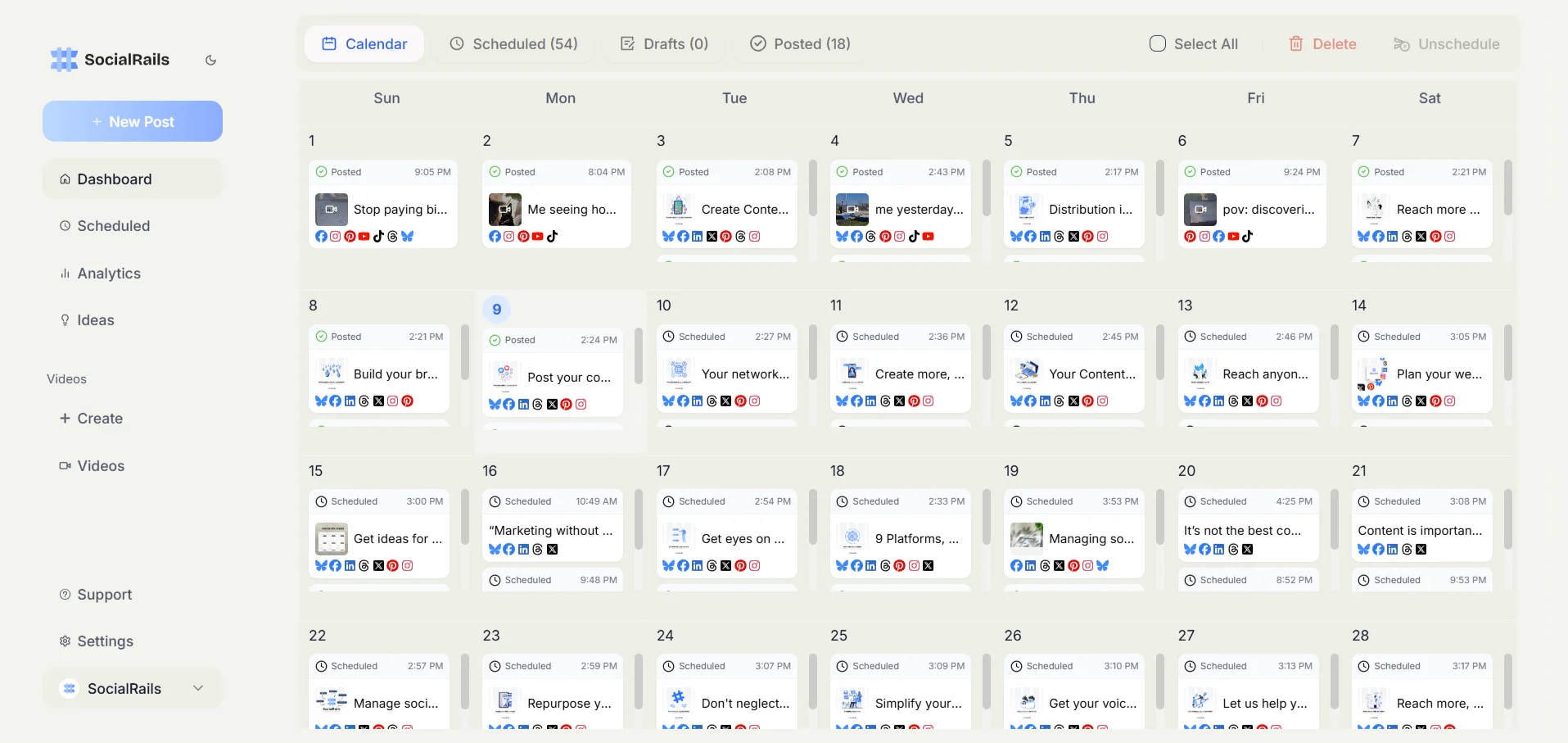
What Is Marketing Collateral?
Marketing collateral = branded materials that communicate your value proposition.
Purpose:
- Support sales conversations
- Educate prospects
- Build brand awareness
- Convert leads
- Retain customers
The shift: Traditional collateral was print-heavy. Modern collateral is primarily digital, but print still matters for certain industries.
Marketing Collateral by Funnel Stage
Key principle: Match collateral to where prospects are in their journey.
What's the best collateral for the DECISION stage of the funnel?
20 Types of Marketing Collateral
Digital Collateral
1. Blog Posts
What: Written content on your website addressing topics your audience cares about.
When to use: Always. Foundation of content marketing.
Best for: SEO, thought leadership, education, awareness
Tips:
- Solve specific problems
- Optimize for search
- Include calls-to-action
- Update regularly
2. Ebooks & Guides
What: Long-form downloadable content (typically PDF) offering in-depth information.
When to use: Lead generation—gate behind email capture.
Best for: Consideration stage, demonstrating expertise
Tips:
- Minimum 2,000 words
- Include visuals
- Make actionable
- Design professionally
3. Case Studies
What: Documented customer success stories showing real results.
When to use: Sales conversations, decision stage content.
Best for: Building credibility, overcoming objections
Structure:
- Challenge
- Solution
- Results (with numbers)
- Testimonial quote
4. White Papers
What: Authoritative, research-based reports on industry topics.
When to use: B2B marketing, thought leadership positioning.
Best for: Complex products, enterprise sales
Tips:
- Include original research
- Cite sources
- Keep objective tone
- 3,000+ words typical
5. Infographics
What: Visual representations of data, processes, or concepts.
When to use: Explaining complex information simply.
Best for: Social sharing, link building, awareness
Tips:
- One main message
- Easy to scan
- Include data sources
- Brand consistently
Tools: Canva for quick graphics, Visme for data-heavy infographics with live charts, or Piktochart for a purpose-built infographic editor.
6. Videos
What: Any video content—explainers, testimonials, demos, tutorials.
When to use: Throughout the funnel.
Best for: Engagement, explanation, social media
Types:
- Explainer videos
- Customer testimonials
- Product demos
- How-to tutorials
- Brand videos
7. Webinars
What: Live or recorded online presentations/workshops.
When to use: Lead generation, education, product launches.
Best for: B2B, complex products, building relationships
Tips:
- Promote 2+ weeks ahead
- Include Q&A
- Record for replay
- Follow up with attendees
8. Email Newsletters
What: Regular email communications to subscribers.
When to use: Ongoing—weekly, bi-weekly, or monthly.
Best for: Nurturing, retention, driving traffic
Tips:
- Consistent schedule
- Value-first approach
- Segment by interest
- Clear CTAs
9. Social Media Content
What: Posts, stories, reels, carousels for social platforms.
When to use: Daily/weekly as part of content strategy.
Best for: Awareness, engagement, community building
Tips:
- Platform-specific formats
- Consistent branding
- Mix content types
- Engage with comments
10. Landing Pages
What: Dedicated web pages designed for specific campaigns/conversions.
When to use: Any campaign with a specific goal.
Best for: Lead capture, conversions, ad campaigns
Elements:
- Single focus
- Clear headline
- Benefit-driven copy
- Strong CTA
- Social proof
Sales Collateral
11. Sales Decks / Presentations
What: Slide presentations used in sales conversations.
When to use: Sales meetings, pitches, demos.
Best for: Structured selling, consistent messaging
Structure:
- Problem identification
- Solution overview
- Benefits and features
- Social proof
- Pricing/next steps
Tools: PowerPoint or Google Slides for basics. For interactive decks with viewer analytics (who opened it, time per slide), see Visme.
12. Product Sheets / One-Pagers
What: Single-page summaries of products or services.
When to use: Trade shows, sales leave-behinds, quick reference.
Best for: Fast information delivery
Include:
- Key benefits
- Features list
- Specifications
- Pricing (optional)
- Contact info
13. Proposals
What: Formal documents outlining recommended solutions and pricing.
When to use: After discovery, before close.
Best for: Service businesses, B2B, complex sales
Sections:
- Executive summary
- Problem understanding
- Proposed solution
- Timeline
- Investment
- Terms
14. Pricing Sheets
What: Documents detailing pricing options and packages.
When to use: Decision stage, pricing conversations.
Best for: Transparent pricing models
Tips:
- Clear package names
- Feature comparison
- Value anchoring
- Easy to understand
Print Collateral
15. Business Cards
What: Physical cards with contact information.
When to use: Networking, meetings, events.
Best for: Personal connections, brand recall
Include:
- Name and title
- Phone and email
- Website
- Social handles (optional)
- QR code (optional)
16. Brochures
What: Printed pamphlets providing company/product information.
When to use: Trade shows, retail, direct mail.
Best for: Detailed product/service explanations
Formats:
- Bi-fold
- Tri-fold
- Gate-fold
- Z-fold
17. Flyers & Posters
What: Single-sheet printed materials for promotion.
When to use: Events, local marketing, announcements.
Best for: Immediate attention, single message
Tips:
- Bold headline
- Single CTA
- Event details clear
- Eye-catching design
18. Direct Mail
What: Physical mail sent to prospects/customers.
When to use: ABM campaigns, high-value prospects, local marketing.
Best for: Standing out from digital noise
Types:
- Postcards
- Letters
- Catalogs
- Dimensional mailers
19. Signage & Banners
What: Physical displays for events, storefronts, trade shows.
When to use: Events, retail, office branding.
Best for: Brand visibility, wayfinding
Types:
- Trade show displays
- Retractable banners
- Window graphics
- Vehicle wraps
20. Branded Merchandise
What: Physical items with your branding (swag).
When to use: Events, customer gifts, employee items.
Best for: Brand awareness, relationship building
Popular items:
- Apparel
- Drinkware
- Tech accessories
- Office supplies
- Bags
Collateral Comparison Table
How to Organize Your Collateral
1. Audit Existing Materials
- List all current collateral
- Note creation date
- Assess relevance and quality
- Identify gaps
2. Map to Buyer Journey
3. Prioritize Creation
Priority criteria:
- Sales team requests
- Customer questions
- Competitive gaps
- SEO opportunities
4. Create a Collateral Library
Organize all materials in a central, accessible location:
- Google Drive or SharePoint
- Digital asset management (DAM) tool
- Sales enablement platform
Modern Collateral Best Practices
1. Mobile-first design
- Most content viewed on phones
- Test all digital collateral on mobile
2. Interactive elements
- Clickable PDFs
- Embedded videos
- Calculators and tools
3. Personalization
- Customize for industries/personas
- Use merge fields in proposals
- Create modular content
4. Consistent branding
- Style guide adherence
- Template usage
- Quality standards
5. Easy updates
- Version control
- Editable templates
- Regular review schedule
Bottom Line
Marketing collateral isn't one-size-fits-all. Build your library strategically:
- Map to buyer journey. Don't create randomly.
- Start with gaps. What does sales need most?
- Prioritize digital. Print supports digital, not the other way around.
- Keep it updated. Outdated collateral hurts credibility.
- Measure usage. Track what actually gets used.
Create content, post everywhere
Create captions, images, and videos with AI. Schedule to 9 platforms in seconds.
Start your free trialRelated Resources
- Brand Communication Strategy Template
- Content Development Guide
- Brand Building Process
- Case Study Template Generator
- Product Launch Announcement Generator
- Sales Page Generator
Was this article helpful?
Let us know what you think!