

AI Content Creation for Internal Knowledge Bases: Cut Documentation Time 75% Without Losing Quality

AI for Internal Knowledge Base Creation
AI-powered content creation for internal knowledge bases uses machine learning and natural language processing to automatically generate, organize, and maintain internal documentation—from onboarding guides to technical documentation to process SOPs. AI handles the heavy lifting of drafting, formatting, and updating content, while humans provide strategic direction and quality assurance.
Quick Answer: AI knowledge base creation means using tools like ChatGPT, Notion AI, or specialized platforms to draft documentation 10x faster than manual writing. Instead of spending 8 hours writing an onboarding guide, AI generates the first draft in 30 minutes based on your inputs—you spend 2 hours refining and perfecting. Teams using AI for knowledge bases achieve 75% time savings, 5x faster documentation updates, 90% coverage of previously undocumented processes, and 3x better findability through AI-powered search.
Why Internal Knowledge Bases Fail (And How AI Fixes It)
The Documentation Problem
Create content, post everywhere
Create captions, images, and videos with AI. Schedule to 9 platforms in seconds.
Start your free trial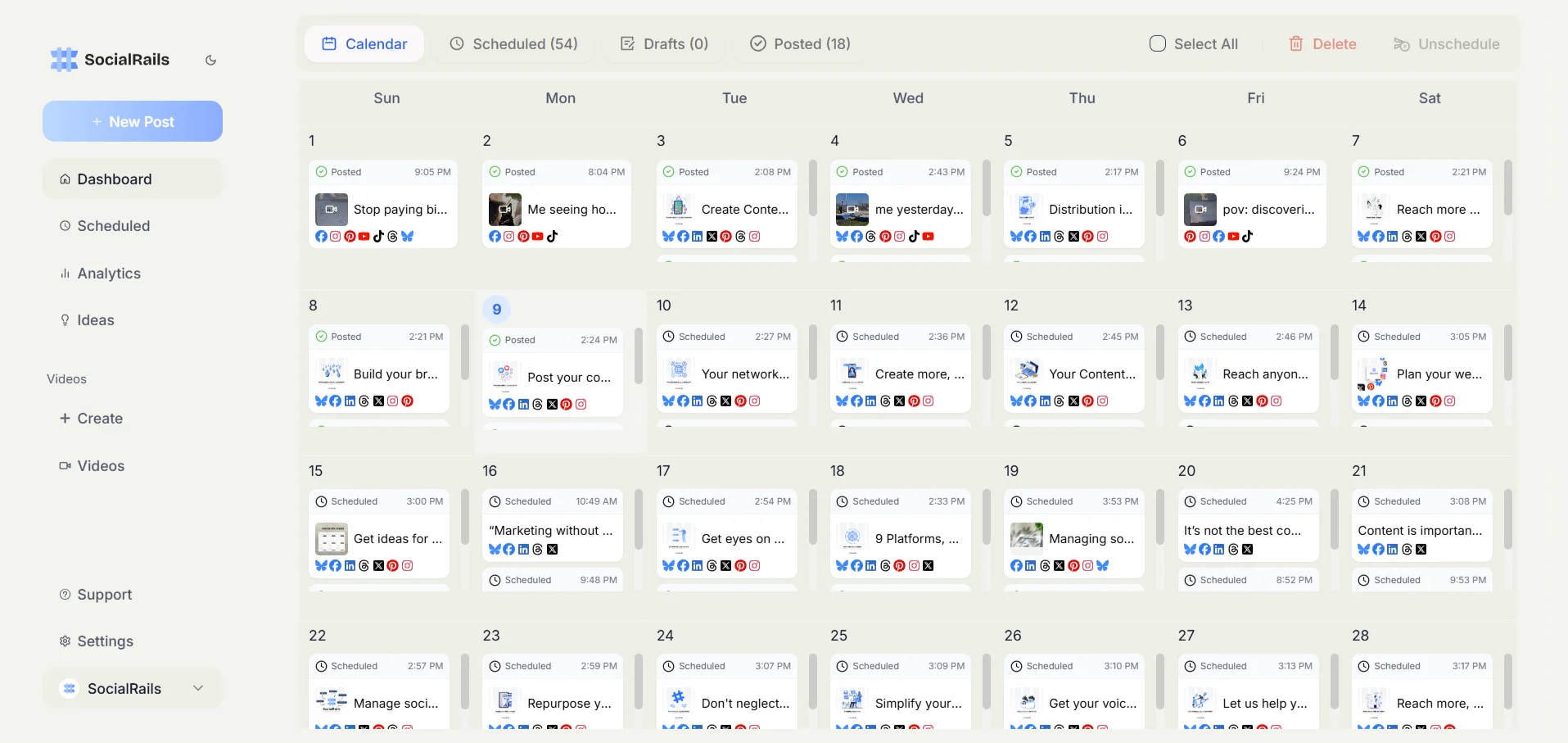
Why Teams Avoid Documentation:
- 68% of employees say creating documentation is their least favorite task
- Writing comprehensive guides takes 5-15 hours per document
- Documentation outdated within 3-6 months of creation
- Subject matter experts too busy to document expertise
- No time for documentation when there's "real work" to do
The Cost of Poor Documentation:
- New employees take 3-6 months longer to ramp up
- Teams spend 30% of time answering already-answered questions
- Institutional knowledge walks out the door when people leave
- Same mistakes repeated because solutions aren't documented
- Total cost: $50,000-$500,000 annually per 50-person organization
How AI Changes the Game
AI Documentation Benefits:
- 75% time reduction: 8 hours becomes 2 hours
- 5x faster updates: Outdated docs refreshed in minutes, not days
- 90% coverage: Previously undocumented processes now captured
- Better quality: Consistent structure, clear language, proper formatting
- Always current: AI can monitor changes and flag updates needed
AI's Superpowers for Documentation:
- Speed: Draft 10-page guide in 20 minutes
- Consistency: Same structure and tone across all docs
- Comprehensiveness: Doesn't forget steps or skip details
- Multi-format: Generate text, FAQs, flowcharts, tutorials from same source
- Accessibility: Multiple reading levels, languages, formats automatically
AI Tools for Knowledge Base Creation
1. AI Writing Assistants
ChatGPT / Claude / Gemini:
- Best for: Drafting any type of documentation
- Workflow: Describe what you need → AI drafts → You refine
- Cost: $0-$20/month per user
- Strengths: Versatile, high quality, follows instructions well
- Limitations: Requires prompting skills, no native organization
Jasper / Copy.ai:
- Best for: Structured documentation with templates
- Workflow: Choose template → Fill inputs → AI generates
- Cost: $39-$125/month per user
- Strengths: Templates, brand voice training, collaboration
- Limitations: More expensive, sometimes formulaic
Notion AI:
- Best for: Documentation living in Notion workspace
- Workflow: Write outline → AI expands → Organize in Notion
- Cost: $10/month per user (add-on to Notion)
- Strengths: Integrated with knowledge base, continuous AI assistance
- Limitations: Tied to Notion platform
2. Specialized Knowledge Base AI
Guru:
- Best for: Distributed knowledge capture and search
- Features: AI-powered search, automatic knowledge capture, verification workflows
- Cost: $10-$20/user/month
- Use case: Sales and support team knowledge
Slite:
- Best for: Team documentation with AI assistance
- Features: AI writing help, smart search, doc templates
- Cost: $8-$15/user/month
- Use case: Startup and small team documentation
Scribe:
- Best for: Process documentation with screenshots
- Features: Auto-capture steps, AI-generated instructions, visual guides
- Cost: $23-$59/user/month
- Use case: Step-by-step how-to guides
3. AI-Powered Wiki/Documentation Platforms
Confluence + AI:
- Best for: Enterprise documentation
- Features: Atlassian Intelligence for writing, search, summarization
- Cost: $5.75-$11/user/month
- Use case: Large organizations, technical documentation
GitBook:
- Best for: Technical and product documentation
- Features: AI-powered search, content suggestions
- Cost: $6.70-$12.50/user/month
- Use case: Developer documentation, product guides
Document360:
- Best for: Customer-facing knowledge bases
- Features: AI-powered search, content analytics, multilingual
- Cost: $149-$499/month
- Use case: Customer support, self-service portals
AI Knowledge Base Creation Workflow
Phase 1: Strategy and Structure (Week 1)
Define Scope:
- Audit existing documentation gaps
- Prioritize by impact (onboarding, critical processes, frequent questions)
- Identify subject matter experts
- Set coverage goals (80% of processes documented)
Create Information Architecture:
- Define categories and taxonomy
- Plan navigation and search structure
- Establish naming conventions
- Design templates for different doc types
Example Categories:
- Company Basics (mission, values, org chart)
- Onboarding (new hire guides by role)
- Processes & SOPs (how we work)
- Tools & Systems (how to use our tech stack)
- Policies & Guidelines (HR, security, compliance)
- FAQs (common questions by department)
Phase 2: AI-Assisted Content Creation (Weeks 2-6)
Step 1: Gather Source Material
- Interview subject matter experts (30-60 min each)
- Record meetings or capture bullet points
- Collect existing docs, slides, emails, recordings
- Identify key processes and workflows
Step 2: AI Drafting
Prompt Template:
Act as a technical writer creating internal documentation.

Context: [Company name] is a [description]. We need documentation for [topic].

Audience: [Who will read this - new employees, specific role, etc.]

Purpose: [Enable them to do X without assistance]

Structure:
- Overview (2-3 paragraphs)
- Prerequisites (what they need before starting)
- Step-by-step instructions (numbered, detailed)
- Common issues and troubleshooting
- Related resources

Tone: Professional but friendly, clear and concise

Information: [Paste notes, bullet points, or existing content]

Generate: A comprehensive guide following the structure above.
Step 3: Human Review and Refinement
- Verify accuracy (20-30 min per doc)
- Add specifics AI couldn't know
- Clarify ambiguous sections
- Insert screenshots and visuals
- Format for readability
Step 4: Subject Matter Expert Validation
- SME reviews for technical accuracy (15-30 min)
- Corrects errors or outdated info
- Adds insider tips and context
- Approves for publication
Phase 3: Organization and Publication (Week 7)
Structure Content:
- Organize in knowledge base platform
- Apply taxonomy and tags
- Create navigation paths
- Build search optimization
- Link related content
Enhance Discoverability:
- AI-powered semantic search
- FAQs extracted from docs
- Quick-reference guides
- Video walkthroughs (optional)
- Chatbot integration
Phase 4: Maintenance and Updates (Ongoing)
AI-Assisted Maintenance:
- AI monitors for outdated content
- Flags when processes change
- Suggests updates based on new information
- Automates version control
- Tracks usage and gaps
Continuous Improvement:
- Monthly review of most-viewed docs
- Quarterly full audit
- Track questions that indicate gaps
- User feedback and ratings
- Expand coverage systematically
AI Documentation Use Cases
1. Employee Onboarding
Traditional Approach:
- 20-40 hours to create comprehensive onboarding docs
- Outdated within 6 months
- Inconsistent across departments
- New hires still ask same questions
AI-Powered Approach:
- Generate role-specific onboarding guides in 3-5 hours
- Update in 30 minutes when processes change
- Consistent structure across all roles
- 90% reduction in repetitive onboarding questions
Example Onboarding Docs AI Creates:
- First day checklist
- Tools and access guide
- Team introductions and org structure
- First 30-60-90 day plans
- Role-specific training paths
- Company culture and values guide
2. Process Documentation (SOPs)
Traditional Approach:
- 5-10 hours per SOP
- Experts too busy to document
- Processes exist in people's heads
- Inconsistent execution across team
AI-Powered Approach:
- Interview expert for 30 minutes
- AI drafts comprehensive SOP in 20 minutes
- Expert reviews and approves in 1 hour
- Total: 2 hours vs. 8+ hours
Example SOPs AI Creates:
- Customer support escalation procedures
- Content approval workflows
- Bug reporting and triage processes
- Expense reimbursement steps
- Security incident response plans
3. Technical Documentation
Traditional Approach:
- Engineers reluctant to document
- Takes 15+ hours for comprehensive guide
- Becomes outdated quickly
- Users struggle to find answers
AI-Powered Approach:
- AI drafts from code comments and API specs
- Engineers review in 2-3 hours
- Auto-updates when code changes
- AI-powered search finds answers instantly
Example Technical Docs AI Creates:
- API documentation
- System architecture guides
- Integration instructions
- Troubleshooting guides
- Code standards and best practices
4. FAQ and Support Content
Traditional Approach:
- Manually compile questions over time
- Takes 10-20 hours to create comprehensive FAQ
- Answers vary by support rep
- Hard to keep updated
AI-Powered Approach:
- AI analyzes support tickets and extracts common questions
- Generates consistent answers in hours
- Updates automatically as new questions emerge
- 80% self-service rate improvement
Example FAQ Content AI Creates:
- Product usage questions
- Account and billing FAQs
- Technical troubleshooting
- Policy and procedure questions
- Integration and compatibility info
5. Training and Learning Materials
Traditional Approach:
- Instructional designers spend weeks per course
- Limited personalization
- Static content
- High production costs
AI-Powered Approach:
- Generate personalized learning paths
- Create quizzes and assessments automatically
- Multiple learning modalities (text, video script, interactive)
- Update training when products/processes change
Example Training Content AI Creates:
- Role-based training curricula
- Product knowledge bases
- Soft skills training guides
- Compliance training materials
- Tool and software tutorials
Best Practices for AI Knowledge Bases
1. AI Drafts, Humans Refine
The 80/20 Rule:
- AI generates 80% of content (structure, comprehensiveness, first draft)
- Humans add 20% value (accuracy, nuance, company-specific details)
- Don't expect AI to be 100% perfect
- Don't spend hours perfecting what AI can draft in minutes
Quality Assurance:
- Always have subject matter expert review
- Verify facts and specifics
- Add examples and screenshots
- Test instructions by following them
- Get peer review before publishing
2. Build Reusable Prompt Templates
Create Prompt Library:
- SOP template prompt
- Onboarding guide prompt
- FAQ generation prompt
- Process documentation prompt
- Troubleshooting guide prompt
Template Benefits:
- Consistent quality and structure
- Faster AI content creation
- Easier for team to adopt
- Better results with less trial and error
Example SOP Prompt Template:
Create a Standard Operating Procedure for [Process Name].

Context: [1-2 sentences about when this process is used]

Roles involved: [List roles and responsibilities]

Steps: [Paste rough notes or existing documentation]

Tools/Systems: [List systems used]

Generate an SOP with:
1. Purpose and scope
2. Roles and responsibilities
3. Step-by-step procedure (numbered with sub-steps)
4. Decision points and exceptions
5. Related processes
6. Change log section

Tone: Clear, professional, action-oriented
Format: Easy to scan with headers and bullets
3. Organize for AI-Powered Search
Search Optimization:
- Use clear, descriptive titles
- Include common search terms in headers
- Add metadata and tags
- Create FAQs for common queries
- Build comprehensive glossaries
AI Search Enhancement:
- Semantic search finds relevant docs even with different wording
- Natural language queries ("how do I submit expenses?")
- Related content suggestions
- Search analytics show gaps
4. Keep Content Current
AI-Assisted Maintenance:
- Set review schedules (quarterly for stable, monthly for changing)
- AI flags outdated dates, deprecated tools, broken links
- Automated version control
- Change notifications to owners
- Usage analytics identify gaps
Update Triggers:
- Process changes
- Tool updates or new features
- Policy changes
- Frequent questions not in docs
- Low satisfaction ratings
5. Measure Impact
Knowledge Base Metrics:
- Coverage: % of processes documented (target: 80%+)
- Usage: Page views, time spent, search queries
- Effectiveness: Self-service rate, repeat questions
- Satisfaction: User ratings, feedback scores
- Onboarding: Time to productivity for new hires
ROI Calculation:
Time Saved = (Hours to create manually - Hours with AI) × Number of docs × Hourly rate
+ Reduced Q&A time × Hourly rate × Team size
+ Faster onboarding × New hire count × Daily cost

Example:
- 50 docs created with AI (6 hours saved per doc) × $75/hr = $22,500
- Team of 20 saves 5 hours/week on questions × 50 weeks × $75/hr = $37,500
- 10 new hires onboard 2 weeks faster × $1,000/day × 10 days = $100,000

Total annual value: $160,000
AI tool cost: $5,000/year
ROI: 3,100%
Common Challenges and Solutions
Challenge 1: AI Generates Inaccurate Content
Problem: AI hallucinates facts, makes incorrect assumptions.
Solution:
- Provide detailed context in prompts
- Include specific facts and data
- Always have SME review
- Verify claims against source material
- Use AI for structure, humans for facts
Challenge 2: Generic, Bland Writing
Problem: AI content feels robotic and impersonal.
Solution:
- Specify tone and brand voice in prompts
- Add personality in refinement phase
- Include company-specific examples
- Use conversational language prompts
- Edit for warmth and humanity
Challenge 3: Content Quickly Outdated
Problem: Documentation becomes stale as processes change.
Solution:
- Set up AI monitoring for outdated content
- Build update workflows into process changes
- Assign clear ownership
- Make updates easy (AI can draft changes)
- Celebrate documentation maintenance
Challenge 4: Low Adoption
Problem: Team doesn't use knowledge base.
Solution:
- Make it the first place to check (enforce culture)
- Integrate into daily tools (Slack, Teams)
- Gamify with contribution tracking
- Solve real problems (capture actual pain points)
- Continuously improve based on feedback
Challenge 5: Information Overload
Problem: So much content, users can't find what they need.
Solution:
- Strong information architecture
- AI-powered search and navigation
- Quick-start guides and summaries
- Role-based content views
- Chatbot for guided discovery
The Future of AI Knowledge Bases
Emerging Trends:
Conversational Knowledge:
- AI chatbots answer questions in natural language
- Pull from knowledge base dynamically
- Learn from interactions
- Personalized based on role and history
Auto-Generated Content:
- AI watches processes being performed
- Generates documentation automatically
- Updates docs when workflows change
- Screen recording → instruction guide
Multilingual Support:
- Instant translation of all documentation
- Culturally adapted content
- Voice narration in any language
- Accessibility for global teams
Proactive Knowledge:
- AI anticipates questions before asked
- Contextual help based on what user is doing
- Just-in-time learning
- Predictive search
Frequently Asked Questions
Can AI really write accurate documentation without human knowledge?
No—AI needs human input. AI is best at structure and drafting, not creating knowledge from nothing. Workflow: Human provides information (notes, recordings, existing docs) → AI organizes and drafts → Human verifies accuracy and adds specifics. AI reduces 8-hour doc writing to 2 hours, but that 2 hours of human expertise is critical.
What if AI makes mistakes in important documentation?
Always have subject matter experts review AI-generated docs before publishing. AI is a drafting tool, not a replacement for human expertise. Use AI to speed up writing, but maintain human quality control. Most teams catch 95%+ of errors in SME review phase.
How much does AI knowledge base creation cost?
Tools: $0-$100/month per user depending on platform. ChatGPT Plus ($20/month) adequate for most teams. Specialized tools ($10-$60/user/month) add features like auto-capture and advanced search. ROI is massive: $5,000 tool investment typically saves $50,000-$200,000 annually in time and productivity.
How long does it take to build a comprehensive knowledge base with AI?
With AI: 4-8 weeks for comprehensive base (50-100 docs). Without AI: 6-12 months. Ongoing maintenance: 2-4 hours/month with AI vs. 20-40 hours manually. AI doesn't make documentation instant, but reduces time 75% while improving quality and coverage.
Will employees trust AI-generated documentation?
If it's accurate and helpful, yes. Users care about quality and usefulness, not whether AI helped create it. Key: Be transparent that AI assists but humans verify. Focus on outcomes (faster answers, comprehensive coverage) not creation method. Trust builds through consistent accuracy and helpfulness.
Related Resources
- Content Development vs Content Creation
- Content Marketing Systems Guide
- Creative Platform Complete Guide
Conclusion
AI transforms internal knowledge bases from "someday" projects to achievable realities. The documentation that once took months now takes weeks, the updates that never happened now take minutes, and the institutional knowledge that lived in people's heads now lives in searchable, accessible systems.
Key Takeaways:
- AI reduces documentation time 75% (8 hours → 2 hours per guide)
- Generate first drafts in minutes, humans refine and verify
- 90% coverage of previously undocumented processes achievable
- ROI typically 1,000-3,000% through time savings and productivity
- AI drafts, humans verify—maintain quality control
- Start with high-impact docs (onboarding, critical SOPs, frequent FAQs)
Stop letting critical knowledge live only in people's heads. Start building your AI-powered knowledge base today and give your team the documentation they've always needed but never had time to create.
Was this article helpful?
Let us know what you think!