

50 Social Media Buzzwords You Need to Know in 2026

Social media has its own language. Some buzzwords are useful. Others are just dressed-up basics.
This guide explains what each term actually means and when it matters.
Create content, post everywhere
Create captions, images, and videos with AI. Schedule to 9 platforms in seconds.
Start your free trial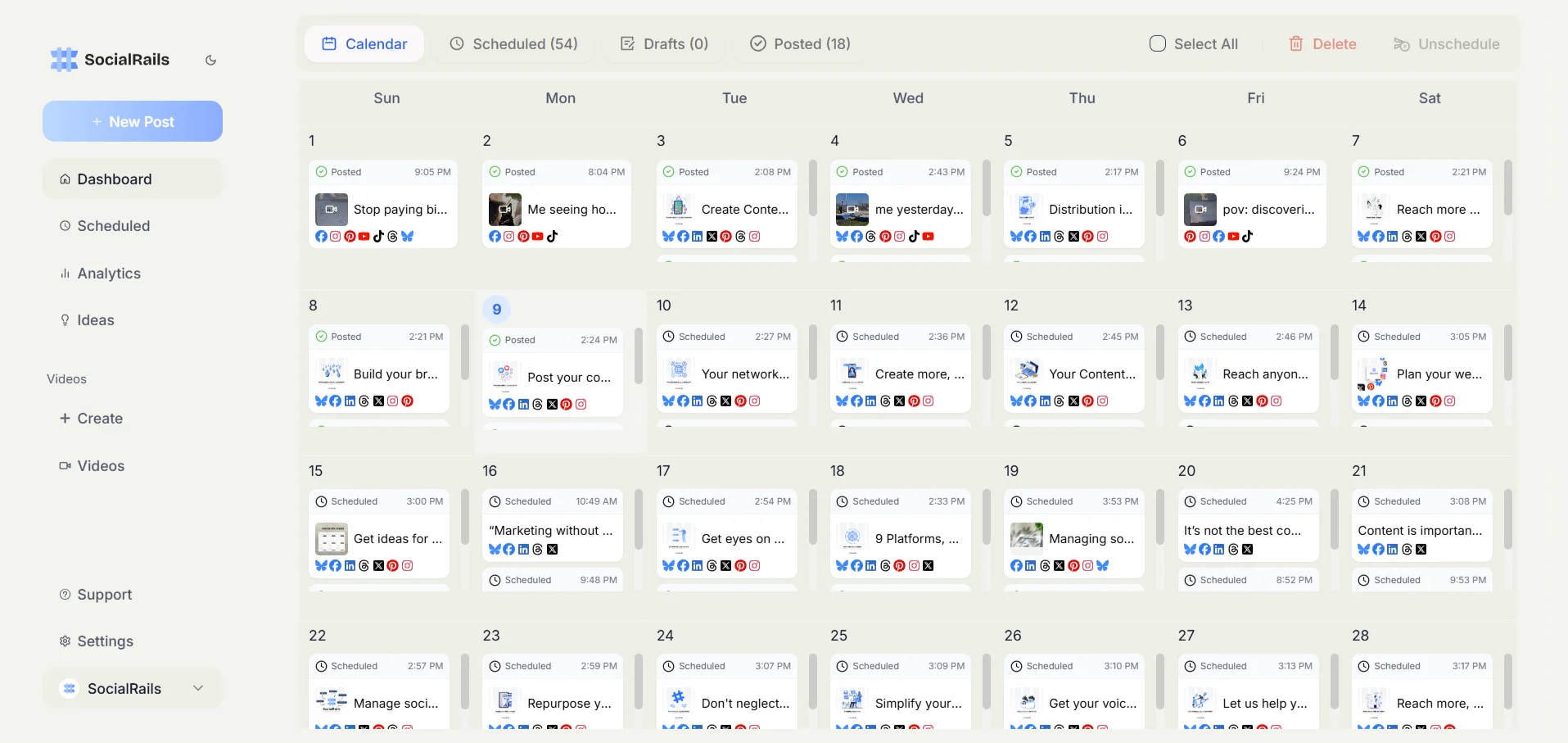
Content Buzzwords
Authentic Content
What people say: "We need more authentic content"
What it actually means: Show real people, real struggles, imperfect moments. Not just removing filters from photos.
Content Pillars
What people say: "What are your content pillars?"
What it actually means: 3-5 core topics you consistently cover.
Example pillars for a fitness coach:
- Workout tutorials
- Nutrition tips
- Client transformations
- Mindset/motivation
- Behind-the-scenes
Zero-Click Content
What people say: "We should do more zero-click content"
What it actually means: Carousels, threads, and in-feed videos that deliver value without requiring users to leave the platform.
Platforms favor this. Link posts get buried.
Which type of content do social media algorithms favor?
Engagement Buzzwords
Community vs. Audience
Audience: People who follow you
Community: People who interact with each other
Most "communities" are just audiences. Real community involves member-to-member connection.
Engagement Rate Formula
Engagement Rate = (Likes + Comments + Shares) ÷ Followers × 100
Benchmarks:
UGC (User-Generated Content)
Content created by customers, not your brand.
Why it works:
- More trusted than brand content
- Costs less to produce
- Feels more authentic
- Drives higher engagement
Algorithm Buzzwords
The Algorithm
What people say: "The algorithm changed again"
Reality: Algorithms change constantly. Focus on content quality, not gaming systems.
Going Viral
What people say: "We want to go viral"
Reality: Virality isn't a strategy. Consistent valuable content beats hoping for lightning strikes.
The Hook
First line of your caption. First 3 seconds of your video.
You have 1-3 seconds to earn attention. If your hook fails, nothing else matters.
What's the most reliable social media growth strategy?
Platform-Specific Terms
For You Page (FYP)
TikTok's algorithmic feed. Landing on FYP = massive reach potential.
The algorithm evaluates:
- Watch time
- Rewatches
- Shares
- Comments
- Follows from video
Carousels
Multi-image posts users swipe through.
Why they perform well:
- More time on post = algorithm boost
- Educational content fits naturally
- Higher save rates
- Encourage sharing
Metrics Buzzwords
Vanity Metrics
What people say: "Those are just vanity metrics"
Reality: All metrics are "vanity" without context. Follower count matters if followers buy.
Impressions vs. Reach
High impressions + low reach = same people seeing content repeatedly.
A post has 10,000 impressions and 2,000 reach. What does this mean?
Strategy Buzzwords
Omnichannel Warning
What people say: "We need an omnichannel approach"
Reality: Most businesses don't need to be everywhere. Better to excel on 2-3 platforms than be mediocre on 7.
Content Calendar
A schedule of what posts when.
Why it matters:
- Creates consistency
- Reduces daily decisions
- Allows batch creation
- Prevents "what should I post?" panic
Buzzwords to Use Sparingly
These words have lost meaning from overuse:
Translation Guide
When Buzzwords Help vs. Hurt
Buzzwords help when:
- They precisely describe something complex
- Your audience uses them
- They create shared vocabulary
Buzzwords hurt when:
- They hide lack of substance
- They confuse instead of clarify
- They make you sound like everyone else
Frequently Asked Questions
Do I need to know all these terms?
No. Focus on terms relevant to your platforms and goals. Understanding engagement rate, reach, and content pillars covers most needs.
Are new buzzwords constantly appearing?
Yes. The industry creates new terms regularly. Most are repackaged existing concepts. Focus on fundamentals.
Should I use buzzwords in my content?
Only if your audience uses them. For most consumer audiences, plain language works better than jargon.
External Glossaries & References
For deeper dives into social media terminology:
- Sprout Social Glossary - Comprehensive A-Z terms
- Hootsuite Social Media Definitions - Updated regularly with new terms
- Sprinklr: 150+ Social Media Terms - Most searched terms explained
- HubSpot Social Media Glossary - Marketing-focused definitions
Related Resources
- Social Media Terms Glossary
- Social Media KPIs Guide
- Engagement Rate Definition
- Content Strategy Guide
- Social Media Acronyms Guide
- What Is a Media Kit
- Brand Equity Meaning
- Benchmarking Definition
Understand the language, but don't get lost in it. Clear communication beats jargon every time.
Was this article helpful?
Let us know what you think!