

Free B2B Content Gap Finder
Discover missing content across TOFU, MOFU, and BOFU stages. Get prioritized recommendations to fill gaps in your B2B content strategy.
Analyze Your Content Gaps
3
Funnel stages analyzed (TOFU/MOFU/BOFU)
67%
B2B buyers research before contacting sales
3x
More leads with full-funnel content
#1
Case studies for B2B conversion
FAQs
What is a B2B content gap analysis?▼
A B2B content gap analysis identifies missing content across your buyer's journey. It examines what content you have vs. what you need at each funnel stage: TOFU (awareness - blog posts, thought leadership), MOFU (consideration - whitepapers, webinars, comparisons), and BOFU (decision - case studies, demos, testimonials). The goal is to ensure you have content that answers questions at every stage of the buying process.
What is TOFU, MOFU, and BOFU content?▼
TOFU (Top of Funnel) targets awareness - educational blogs, industry reports, social content for people just discovering their problem. MOFU (Middle of Funnel) targets consideration - whitepapers, webinars, comparison guides for people evaluating solutions. BOFU (Bottom of Funnel) targets decision - case studies, demos, pricing pages, testimonials for people ready to buy. B2B companies need content at all three stages to capture and convert leads.
Which B2B content types have the highest ROI?▼
Highest ROI B2B content types: 1) Case studies - #1 for conversion, 2) Comparison/vs pages - capture high-intent searches, 3) Product demos - answer critical questions, 4) ROI calculators - help build business cases, 5) Customer testimonials - build trust at decision stage. While blog content drives traffic, bottom-funnel content (case studies, demos) directly impacts revenue.
How often should you do a content gap analysis?▼
Conduct a comprehensive content gap analysis quarterly, with monthly check-ins on performance. Review when: launching new products/features, entering new markets, seeing declining conversion rates, competitors launch new content, or buyer behavior changes. The B2B landscape evolves quickly, so regular analysis ensures you're not missing opportunities or falling behind competitors.
How do you prioritize which content gaps to fill first?▼
Prioritize content gaps by: 1) Funnel stage impact - BOFU content typically has highest conversion impact, 2) Search volume - target keywords with buying intent, 3) Competitor gaps - content your competitors don't have, 4) Sales team input - what content do prospects ask for?, 5) Resource requirements - balance high-impact with feasibility. Generally, start with case studies and comparison pages for quickest revenue impact.
What tools help with B2B content gap analysis?▼
Useful tools for content gap analysis: SEO tools (Ahrefs, SEMrush) for keyword gaps, Competitor analysis tools (SimilarWeb, SpyFu) for competitor content, CRM data for sales team insights, Google Analytics for content performance, Social listening tools for topic trends. Combine tool data with sales team feedback to get the complete picture of what content your buyers need.
B2B Content Strategy Guide
Content by Funnel Stage (TOFU/MOFU/BOFU)
TOFU - Awareness
Attract visitors who don't know they need you yet
- Blog posts & articles
- Industry reports
- Educational videos
- Social media content
MOFU - Consideration
Educate prospects evaluating solutions
- Whitepapers & ebooks
- Webinars
- Comparison guides
- How-to guides
BOFU - Decision
Convert leads ready to buy
- Case studies
- Product demos
- ROI calculators
- Testimonials
B2B Buyer Journey Statistics
Create content, post everywhere
Create captions, images, and videos with AI. Schedule to 9 platforms in seconds.
Start your free trial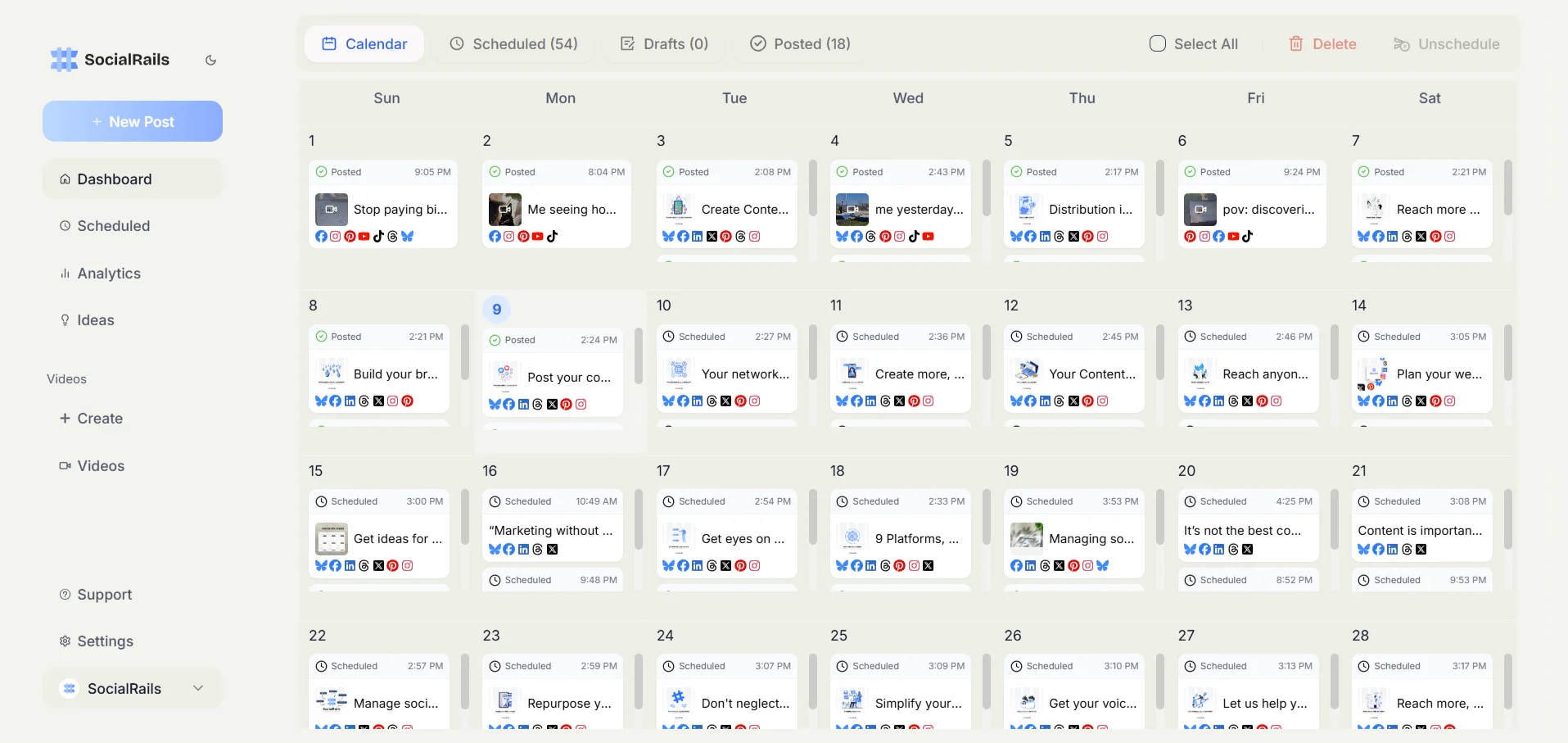
Complete Your Social Media Toolkit
Maximize your social media success with our other free tools
B2B Marketing Plan Generator
Create complete B2B marketing strategies
Content Calendar Generator
Build organized content calendars
Case Study Template Generator
Create compelling B2B case studies
Content Planning Tool
Plan and organize your content strategy
B2B Lead Magnet Idea Generator
Generate lead magnet ideas for B2B
Competitor Keyword Research
Find competitor keyword opportunities