
Free B2B SME Expert Quote Extractor
Transform expert interviews and transcripts into powerful social proof content. Extract quotes that build authority and engage your B2B audience.
Extract Expert Quotes
Tip: Include context and full sentences for best quote extraction results.
10+
Posts from one interview
2.5x
More engagement with expert quotes
SME
Subject matter expert authority
Trust
Build credibility with expert backing
FAQs
How do I extract quotes from expert interviews for social media?▼
Review your transcript or recording and look for: 1) Surprising or contrarian statements, 2) Clear, quotable sentences that stand alone, 3) Data points or specific examples, 4) Emotional moments or passionate opinions, 5) Actionable advice. The best quotes make readers stop scrolling - they challenge assumptions, provide unique insights, or offer clear value. Aim for quotes that work without context.
What makes an SME quote effective for B2B content?▼
Effective B2B expert quotes have these qualities: 1) Authority - the expert has credibility on the topic, 2) Specificity - concrete details beat vague generalizations, 3) Originality - says something not everyone is saying, 4) Actionability - provides insight people can use, 5) Memorability - phrased in a way that sticks. The quote should add value beyond what you could say yourself.
Do I need permission to share expert quotes?▼
Yes, always get permission before publicly sharing quotes, especially in B2B contexts. Best practice: Send the quote and post draft to the expert for approval before publishing. Many experts appreciate the exposure and will share your post, amplifying its reach. Permission protects you legally and maintains good relationships for future collaborations.
How do I turn one expert interview into multiple social posts?▼
One interview can generate 10-20+ pieces of content: 1) Pull 5-7 standalone quotes for individual posts, 2) Create a thread combining multiple insights, 3) Design quote card graphics for each key point, 4) Write a summary post with highlights, 5) Turn insights into carousel posts, 6) Use quotes in email newsletters, 7) Create a blog post expanding on the conversation. Space these out over weeks for sustained content.
What's the best format for expert quotes on LinkedIn?▼
LinkedIn expert quotes perform best when you: 1) Lead with the quote in quotation marks, 2) Add 2-3 sentences of your commentary on why it matters, 3) Include the expert's name and title, 4) Tag their profile so they can engage, 5) End with a question to drive comments. Quote card graphics (image with quote overlay) also perform well and stop the scroll.
How do I credit an SME properly in social posts?▼
Standard format: '— [Name], [Title] at [Company]'. On LinkedIn, tag their profile. On Twitter, include their handle. For podcasts or webinars, mention the source: 'From our recent podcast episode...' or 'Speaking at [event]...' Always verify the attribution is accurate and the expert is comfortable with how they're being credited.
Expert Quote Extraction Guide
What Makes a Great Expert Quote?
| Quote Type | Description | Engagement Potential | Best Platform |
|---|---|---|---|
| Contrarian Take | Challenges conventional wisdom | Very High | LinkedIn, Twitter |
| Data Point | Specific statistic or number | High | Any platform |
| Prediction | Future trend or forecast | High | LinkedIn, Blog |
| Actionable Advice | Clear how-to or tip | Medium-High | LinkedIn, Email |
| Personal Story | Experience-based insight | Medium-High | LinkedIn, Podcast |
| Framework/Model | Named methodology or process | Medium | Blog, Carousel |
Signs of a Great Quote
- ✓Makes you stop and think
- ✓Works without context
- ✓Contains specific details or numbers
- ✓Challenges assumptions
- ✓Is memorable or quotable
Skip These
- ✗Generic statements anyone could say
- ✗Needs too much context
- ✗Vague or abstract concepts
- ✗Clichés or overused phrases
- ✗Sensitive or off-the-record content
Quick Quote Identification Triggers
When reviewing transcripts, look for phrases like:
Create content, post everywhere
Create captions, images, and videos with AI. Schedule to 9 platforms in seconds.
Start your free trial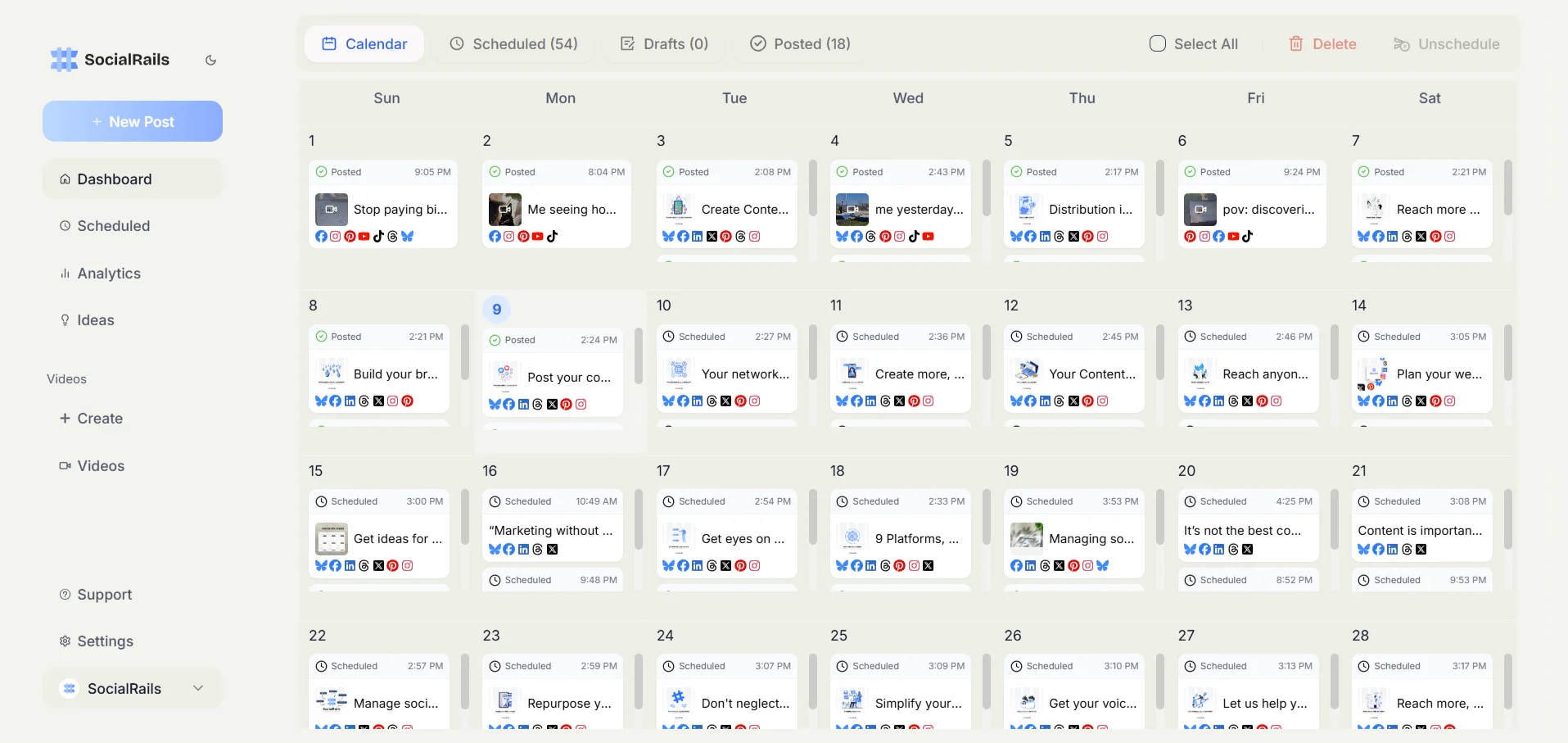
Complete Your Social Media Toolkit
Maximize your social media success with our other free tools
LinkedIn Caption Generator
Create engaging LinkedIn posts
LinkedIn POV Framework Generator
Build thought leadership content
Article Summarizer
Summarize content into key points
Quote Image Generator
Create quote card graphics
B2B Content Generator
Create B2B social content
Blog to Social Converter
Convert long content to social posts