

Brand Name Exercises: 10 Creative Techniques to Find Your Perfect Name

Brand Name Exercises: 10 Creative Techniques to Find Your Perfect Name
Your brand name is often the first thing customers encounter. These proven exercises help you brainstorm, evaluate, and choose a name that resonates with your audience and stands the test of time.
Get started: Use our AI Business Name Generator to generate initial ideas.
Why Brand Naming Matters
The Impact of a Good Name
- First impression: Name shapes initial perception
- Memorability: Easy names get remembered and shared
- Differentiation: Unique names stand out in the market
- Marketing efficiency: Good names are easier to market
- Longevity: Right name grows with your business
Create content, post everywhere
Create captions, images, and videos with AI. Schedule to 9 platforms in seconds.
Start your free trial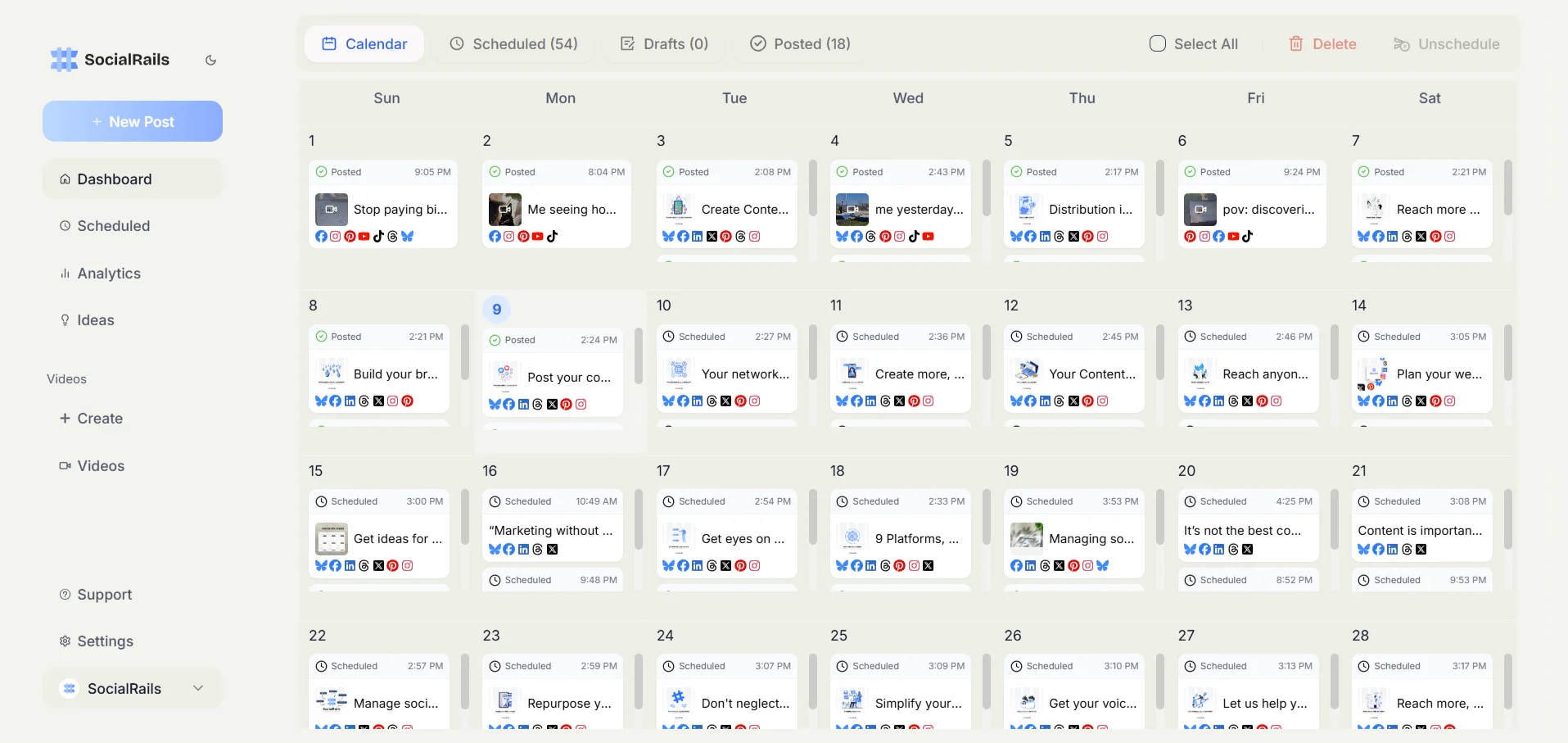
What Makes a Great Brand Name
What's the most important quality for a brand name?
Exercise 1: Word Association Storm
Time: 20-30 minutes Supplies: Paper, timer
How to Do It
- Write your core concept in the center of a page
- Set a timer for 3 minutes
- Write every word that comes to mind—no filtering
- Don't stop until the timer ends
- Repeat with different starting words
- Circle interesting combinations
Example
Starting word: Coffee
Associations: Morning, energy, beans, roast, brew, warmth, social, cup, aroma, ritual, pause, grind, black, cream, café, conversation, focus, wake, bold, smooth...
Potential names: Morning Ritual, Bold Brew, Bean Social, The Grind
Pro Tips
- Include emotions, not just descriptors
- Think about customer experience
- Don't judge during brainstorming
- Quantity leads to quality
Exercise 2: The Mashup Method
Time: 15-20 minutes Supplies: Two lists of words
How to Do It
- Create List A: Words related to your industry/product
- Create List B: Words about your brand personality/values
- Combine words from each list
- Try different combinations (prefix, suffix, blend)
Example: Fitness App
List A (Industry): Fit, Strong, Move, Active, Train, Power List B (Personality): Spark, Rise, Flow, Glow, Peak, Bold
Combinations:
- FitSpark
- PowerFlow
- ActiveGlow
- RiseFit
- BoldMove
- PeakTrain
Famous Mashups
- Instagram = Instant + Telegram
- Pinterest = Pin + Interest
- Groupon = Group + Coupon
- Netflix = Internet + Flix
Exercise 3: Foreign Language Mining
Time: 30 minutes Supplies: Translation tools, language dictionaries
How to Do It
- List 5-10 key concepts related to your brand
- Translate each into 5-6 languages
- Look for words that sound appealing in English
- Check meanings don't have negative connotations
Languages to Try
- Latin (classic, professional)
- French (elegant, sophisticated)
- Italian (warm, approachable)
- Japanese (modern, minimal)
- Spanish (friendly, energetic)
- Greek (historical, strong)
Example: Wellness Brand
Concept: Peaceful, calm
Famous Examples
- Volvo = Latin for "I roll"
- Lego = Danish "leg godt" (play well)
- Häagen-Dazs = Made-up Danish-sounding name
- Nokia = Finnish river name
Exercise 4: Founder/Origin Story
Time: 15 minutes Supplies: Your story, notepad
How to Do It
- Write your origin story (how the idea started)
- List key places, people, moments
- Extract potential name elements
- Combine or adapt meaningful terms
Questions to Answer
- Where did the idea come from?
- Who or what inspired you?
- What's your background?
- What problem did you personally face?
Example Elements
- Location: Street names, cities, neighborhoods
- People: Founder names, family, mentors
- Moments: Year started, breakthrough moments
- Objects: Something meaningful to the story
Famous Examples
- Adobe = Creek behind founder's house
- Amazon = World's largest river (ambition)
- Adidas = Founder Adi Dassler
- Mercedes = Founder's daughter's name
Which naming style offers the most flexibility for future business growth?
Exercise 5: Customer Perspective
Time: 20 minutes Supplies: Customer research, surveys
How to Do It
- List how customers describe their problem
- Write how they'd describe the ideal solution
- Capture the emotions they want to feel
- Look for recurring words and phrases
Questions to Ask Customers
- How would you describe [problem] to a friend?
- What words come to mind when you think of [solution]?
- How do you want to feel when using [product]?
- What names would make you trust a [industry] company?
Example: Project Management Tool
Customer language:
- "I need to stay organized"
- "Keep everything in one place"
- "Stop the chaos"
- "Get things done"
Potential names: OnePlace, DoneDone, OrderUp, ClearPath
Exercise 6: Metaphor Exploration
Time: 25 minutes Supplies: Paper, creativity
How to Do It
- Identify your core benefit
- Ask: "What else provides this benefit?"
- Explore metaphors from different domains
- Extract name-worthy elements
Metaphor Categories
- Nature: Animals, plants, weather, landscapes
- Mythology: Gods, heroes, legends
- Science: Elements, forces, discoveries
- Music: Instruments, terms, genres
- Architecture: Structures, spaces, materials
Example: Security Software
Core benefit: Protection
Metaphors:
- Shield (defense)
- Fortress (impenetrable)
- Guardian (protector)
- Sentinel (watchful)
- Armor (coverage)
Potential names: ShieldPoint, Sentinel Labs, GuardianSec
Famous Examples
- Amazon = Mighty river (scale)
- Apple = Friendly fruit (approachable tech)
- Jaguar = Fast, powerful animal
- Shell = Protection, energy
Exercise 7: Portmanteau Creation
Time: 20 minutes Supplies: Word list, notepad
How to Do It
- List relevant words (10-20)
- Look for words that share sounds or letters
- Blend them together naturally
- Test pronunciation out loud
Blending Techniques
- Beginning + end: Breakfast + Lunch = Brunch
- Shared sounds: Motor + Hotel = Motel
- Letter overlap: Smoke + Fog = Smog
Exercise
Words: Social, Connect, Network, Link, Circle, Hub, Community
Blends:
- Socialink (Social + Link)
- Connectub (Connect + Hub)
- Communect (Community + Connect)
Famous Portmanteaus
- Pinterest = Pin + Interest
- Groupon = Group + Coupon
- Wikipedia = Wiki + Encyclopedia
- Microsoft = Microcomputer + Software
Exercise 8: The Constraint Challenge
Time: 15 minutes per constraint Supplies: Timer, notepad
Constraints to Try
Length constraint:
- Only 4-letter names
- Only 2-syllable names
- Maximum 6 characters
Letter constraint:
- Must start with specific letter
- Must include specific sound
- Alliteration required
Style constraint:
- Must be a real word
- Must be a made-up word
- Must be two words combined
Why Constraints Work
- Forces creative thinking
- Breaks habitual patterns
- Produces unexpected results
- Makes decisions easier
Example: 4-Letter Tech Names
- Zoom, Uber, Lyft, Yelp, Nest, Snap, Etsy
Exercise 9: Competitive Differentiation
Time: 30 minutes Supplies: Competitor list, analysis sheet
How to Do It
- List 10 competitor names
- Categorize by naming style
- Identify patterns and gaps
- Choose a different direction
Naming Style Categories
- Descriptive: What it does (General Electric)
- Suggestive: Implies benefit (Slack)
- Abstract: Made-up word (Kodak)
- Founder: Person's name (Ford)
- Acronym: Letters (IBM)
Competitor Analysis Template
Strategy
If competitors use:
- Descriptive names → Go abstract
- Serious names → Consider playful
- Long names → Try short
- Tech-sounding → Try human
Exercise 10: Future-Proofing Test
Time: 15 minutes Supplies: Candidate names, imagination
How to Do It
- Take your top 5 name candidates
- Imagine each scenario below
- Score how well each name fits
- Eliminate names that don't scale
Scenarios to Test
- Name on a billboard
- Name said on a podcast
- Name in a news headline
- Name on an app icon
- Name in 5 years (growth)
- Name in a different country
Evaluation Criteria
Name Evaluation Checklist
Before finalizing, check:
Legal
- Trademark search completed
- Domain name available
- Social media handles available
- No existing companies with similar names
Practical
- Easy to spell when heard
- Easy to pronounce when read
- Works internationally (no bad translations)
- No negative associations
Strategic
- Reflects brand positioning
- Appeals to target audience
- Different from competitors
- Room to grow
Tools and Resources
Free Tools
- AI Business Name Generator
- Brand Statement Generator
- Clothing Brand Name Generator
Industry Resources
- How Brands Are Built: The Ultimate Guide to Brand Naming - Professional naming process from industry experts
- Lexicon Branding: 5-Step Naming Process - From the agency that named BlackBerry, Swiffer, and Febreze
- Atlassian: Brand Naming as Art and Science - Inside look at how Atlassian approaches naming
- SmashBrand: Naming Workshop Guide - How to run effective naming sessions
Related Guides
Frequently Asked Questions
How many name options should I brainstorm?
Generate at least 50-100 names before narrowing down. Quantity leads to quality in brainstorming. Then shortlist to 10, then 3, then make your final choice. Don't fall in love with early ideas.
Should my brand name describe what I do?
Not necessarily. Descriptive names (PayPal, YouTube) are clear but limiting. Abstract names (Apple, Amazon) offer more flexibility. Consider where you want the brand to go long-term.
What if the .com domain isn't available?
Try variations (.co, .io), add a word (getbrandname.com, trybrandname.com), or consider buying the domain. A good name is worth more than a perfect domain, but domain availability matters for credibility.
Should I test names with potential customers?
Yes, but carefully. Don't ask "Do you like this name?" Instead, test: Can they spell it after hearing it? Can they remember it tomorrow? What associations do they have? Get reactions, not just opinions.
How do I know when I've found the right name?
The right name usually: passes all practical checks (legal, domain), resonates with your team, doesn't embarrass you to say, and you can imagine building a brand around it. If you're still unsure after testing, keep exploring.
Start Your Brand Naming Journey
Ready to find your perfect brand name? Use our AI Business Name Generator for instant ideas, or try SocialRails to build and manage your brand presence across social media.
Was this article helpful?
Let us know what you think!