

How to Make an Ebook: Complete Step-by-Step Guide

How to Make an Ebook: Complete Step-by-Step Guide
Creating an ebook is one of the most effective ways to share knowledge, build authority, and generate income. Whether you're writing your first book or looking to streamline your process, this guide covers everything you need to know about making a professional ebook.
Create content, post everywhere
Create captions, images, and videos with AI. Schedule to 9 platforms in seconds.
Start your free trial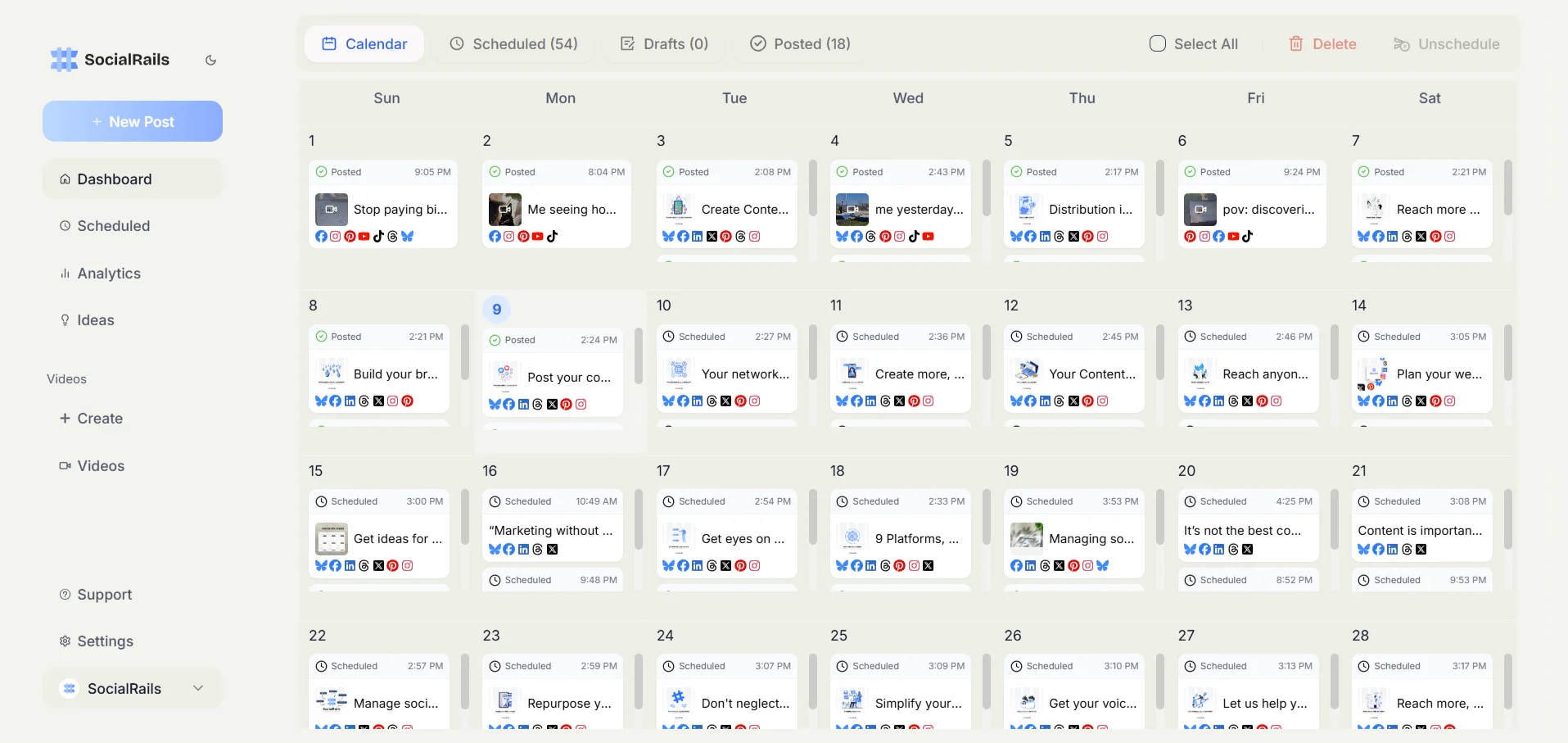
What Is an Ebook?
An ebook (electronic book) is a digital publication that can be read on computers, tablets, smartphones, and dedicated e-readers. Unlike traditional books, ebooks are distributed digitally and can include interactive elements like hyperlinks, videos, and embedded media.
Why Create an Ebook?
Build Authority: Position yourself as an expert in your field Generate Leads: Use as a lead magnet to grow your email list Create Income: Sell directly or use to promote services Share Knowledge: Help others while building your reputation Scalable Content: Write once, sell unlimited copies
Step 1: Plan Your Ebook
Choose Your Topic
Select a topic that combines your expertise with market demand:
- Solve a Problem: Address a specific pain point your audience faces
- Share Experience: Draw from your professional or personal knowledge
- Fill a Gap: Look for underserved topics in your niche
- Test Demand: Use social media polls or keyword research to validate interest
Define Your Audience
Understanding your readers shapes everything from content to design. Use our Target Audience Analyzer to clarify your ideal reader profile:
- Demographics: Age, profession, income level
- Pain Points: What challenges do they face?
- Goals: What do they want to achieve?
- Reading Habits: Do they prefer practical guides or theoretical content?
Set Clear Objectives
Define what success looks like based on your brand strategy:
- Lead generation goals
- Revenue targets - track with our Conversion Rate Calculator
- Authority building metrics
- Reader engagement expectations
Step 2: Research and Outline
Content Research
Gather comprehensive information:
- Competitor Analysis: Review similar ebooks in your niche
- Expert Interviews: Quote authorities and thought leaders
- Data Collection: Include relevant statistics and case studies
- Personal Stories: Add authentic experiences and examples
Create a Detailed Outline
Structure your content logically:
Introduction
- Hook to grab attention
- Problem statement
- Promise of what readers will learn
- Brief overview of chapters
Main Content (3-7 Chapters)
- Each chapter should cover one main concept
- Include practical examples and actionables
- Build progressively toward your main solution
Conclusion
- Summarize key takeaways
- Provide next steps
- Include call-to-action
Sample Outline Structure:
Chapter 1: The Problem (Why this matters)
Chapter 2: The Foundation (Core concepts)
Chapter 3: The Strategy (Your main framework)
Chapter 4: Implementation (Step-by-step process)
Chapter 5: Advanced Techniques (Expert tips)
Chapter 6: Case Studies (Real examples)
Chapter 7: Next Steps (What to do now)
Step 3: Write Your Ebook
Establish Your Writing Routine
Set a Schedule: Dedicate specific times for writing Create Environment: Find a distraction-free workspace Set Daily Goals: Aim for 500-1000 words per session Track Progress: Monitor your word count and completion percentage
Writing Best Practices
Develop your writing within a comprehensive content strategy that aligns with your goals.
Start with a Strong Hook Open each chapter with an engaging story, statistic, or question that draws readers in.
Write Conversationally Use simple language and speak directly to your reader. Avoid jargon unless necessary. Refine your writing with our AI Paraphrasing Tool.
Include Actionable Content Every chapter should give readers something specific they can do immediately.
Add Visual Breaks Break up text with:
- Subheadings
- Bullet points
- Numbered lists
- Quotes and callouts
- Images and diagrams
Use Transitions Connect ideas smoothly with transition sentences and bridge paragraphs.
Overcome Writer's Block
Start Imperfectly: Write a rough first draft without editing Change Locations: Move to a different space when stuck Talk It Out: Record yourself explaining concepts, then transcribe Skip Around: Work on different chapters when inspiration strikes
Step 4: Design Your Ebook
Choose Your Format
PDF: Most universal format, works on all devices EPUB: Standard for most e-readers, reflowable text MOBI: Amazon Kindle format Interactive PDF: Includes clickable elements and multimedia
Design Principles
Professional Layout
- Consistent fonts (maximum 2-3 typefaces)
- Proper spacing and white space
- Clear hierarchy with headings
- Readable font size (11-12pt minimum)
Visual Elements
- Cover design that stands out
- Chapter dividers and section breaks
- Icons and illustrations to support content
- Charts and graphs for data visualization (tools like Visme can create interactive charts with live data)
- Screenshots for step-by-step guides
Brand Consistency
- Use your brand colors throughout - align with your brand assets
- Include logo on cover and footer
- Maintain consistent styling based on brand pillars
- Add author bio and contact information - create compelling bios with our Professional Biography Generator
DIY Design Tools
Canva: Templates and drag-and-drop design Adobe InDesign: Professional layout software Google Docs: Simple formatting for basic ebooks Visme: Professional design with templates Book Brush: Specifically for book covers
Cover Design Tips
Your cover is crucial for first impressions:
- Clear Title: Easy to read even as a thumbnail
- Compelling Subtitle: Explains the benefit clearly
- Professional Author Photo: If appropriate for your brand
- Contrasting Colors: Ensure text stands out
- Genre Appropriate: Match design to content style
Step 5: Edit and Proofread
Self-Editing Process
Content Edit (First Pass)
- Check overall structure and flow
- Ensure each chapter serves the main purpose
- Remove unnecessary sections
- Add missing information or examples
Line Edit (Second Pass)
- Improve sentence structure and clarity
- Eliminate redundancy
- Enhance readability
- Strengthen weak passages
Copy Edit (Third Pass)
- Fix grammar and punctuation
- Check spelling and typos
- Ensure consistent style
- Verify facts and figures
Professional Editing
Consider hiring professionals for:
- Developmental Editor: Big-picture content structure
- Copy Editor: Grammar, style, and clarity
- Proofreader: Final polish and error correction
Editing Tools
Grammarly: Grammar and style checking Hemingway Editor: Readability improvement ProWritingAid: Comprehensive writing analysis Human Editors: Platforms like Reedsy or Upwork
Step 6: Format for Distribution
Technical Formatting
Margins and Spacing
- 1-inch margins on all sides
- 1.5x line spacing for readability
- Paragraph indentation or spacing
- Consistent heading styles
Table of Contents
- Clickable links for digital versions
- Page numbers for print versions
- Clear chapter descriptions
- Logical nesting for subsections
Interactive Elements
- Hyperlinks to external resources
- Internal cross-references
- Clickable email addresses
- Social media links
File Optimization
Image Compression: Reduce file size without losing quality Font Embedding: Ensure fonts display correctly on all devices Metadata: Add title, author, description, and keywords Version Control: Save multiple formats and versions
Step 7: Publish and Distribute
Distribution Platforms
Amazon Kindle Direct Publishing (KDP)
- Largest ebook marketplace
- Royalties up to 70%
- Global distribution
- Print-on-demand options
Apple Books
- iOS and Mac users
- Professional submission process
- Good royalty rates
Google Play Books
- Android-focused distribution
- Web-based reading
- Global reach
Direct Sales
- Your website or blog
- Email marketing campaigns
- Social media promotion
- Higher profit margins
Pricing Strategies
Free Lead Magnet: Build email list and authority Low Price ($0.99-$2.99): Maximize downloads and reviews Premium Price ($9.99+): Position as comprehensive resource Tiered Pricing: Offer multiple versions with different content levels
Step 8: Market Your Ebook
Pre-Launch Marketing
Build Anticipation
- Share behind-the-scenes content
- Post progress updates
- Create a waiting list
- Offer preview chapters
Content Marketing
- Blog posts related to ebook topics
- Social media content
- Podcast interviews
- Guest posting
Launch Strategy
Soft Launch
- Release to email subscribers first
- Ask for early reviews
- Test pricing and positioning
- Gather feedback for improvements
Public Launch
- Announce across all channels
- Press release for larger launches
- Social media campaigns
- Influencer outreach
Ongoing Promotion
Email Marketing
- Regular mentions in newsletters
- Automated email sequences
- Follow-up campaigns for readers
Social Proof
- Feature positive reviews
- Share reader testimonials
- Create case studies from reader success
Content Repurposing
- Turn chapters into blog posts
- Create social media quote graphics
- Develop video content
- Host webinars based on ebook content
Step 9: Optimize and Update
Track Performance
Sales Metrics
- Units sold and revenue generated
- Conversion rates from different channels
- Geographic performance data
- Reader engagement analytics
Marketing Metrics
- Website traffic from ebook mentions
- Email list growth from downloads
- Social media engagement
- Return on marketing investment
Gather Feedback
- Reader reviews and ratings
- Direct feedback via email
- Social media comments
- Survey responses from readers
Update and Improve
Content Updates
- Add new information and examples
- Fix any errors discovered
- Include reader-suggested improvements
- Refresh outdated statistics or references
Marketing Optimization
- Test different book descriptions
- Experiment with pricing
- Try new promotional channels
- Improve cover design based on performance
Advanced Ebook Strategies
Series Creation
Instead of one large ebook, consider creating a series:
- Easier to Write: Smaller chunks are less overwhelming
- More Revenue: Multiple purchase opportunities
- Better Engagement: Readers anticipate next installment
- Authority Building: Demonstrates deep expertise
Interactive Ebooks
Enhance reader experience with:
- Clickable Table of Contents: Easy navigation
- Embedded Videos: Tutorial content
- Links to Resources: Tools and templates
- Interactive Worksheets: Downloadable PDFs
- Audio Narration: Read-along capability
Multi-Format Strategy
Maximize reach by offering multiple formats:
- PDF: Direct sales from your website
- EPUB: Wide e-reader compatibility
- Audiobook: Growing market segment
- Print Version: Some readers prefer physical books
- Course Version: Turn content into online training
Tools and Resources
Writing Tools
- Google Docs: Collaborative writing and editing
- Scrivener: Professional writing software
- Notion: All-in-one workspace for planning and writing
- Ulysses: Distraction-free writing environment
Design Software
- Canva: User-friendly design templates
- Adobe Creative Suite: Professional design tools
- Figma: Collaborative design platform
- GIMP: Free image editing software
Publishing Platforms
- Kindle Direct Publishing: Amazon's self-publishing platform
- Draft2Digital: Multi-platform distribution
- Smashwords: Independent publishing platform
- Gumroad: Direct sales platform
Marketing Tools
- ConvertKit: Email marketing for creators
- Buffer: Social media scheduling
- BookBub: Book promotion platform
- NetGalley: Professional review platform
Common Mistakes to Avoid
Content Mistakes
- Too Broad: Trying to cover everything in one ebook
- No Clear Value: Failing to solve a specific problem
- Poor Structure: Jumping between topics without logic
- Thin Content: Not providing enough depth or value
Design Mistakes
- Unprofessional Cover: Poor design hurts credibility
- Inconsistent Formatting: Mixing fonts and styles
- Hard to Read: Small fonts or poor contrast
- Missing Elements: No table of contents or page numbers
Marketing Mistakes
- No Promotion Plan: Writing without marketing strategy
- Wrong Audience: Not understanding your readers
- Weak Description: Failing to sell the benefits
- Giving Up Too Early: Not promoting long enough
Legal Considerations
Copyright Protection
- Your ebook is automatically copyrighted when created
- Consider formal registration for additional protection
- Include copyright notice in your ebook
- Understand fair use for any content you reference
Privacy and Terms
- Include privacy policy if collecting reader data
- Add terms of use for digital products
- Consider disclaimers for advice-based content
- Understand platform-specific requirements
Conclusion
Creating a successful ebook requires planning, dedication, and strategic thinking. From choosing your topic to marketing your finished product, each step contributes to your ebook's success.
Remember that your first ebook doesn't have to be perfect. The key is to start, complete your project, and learn from the experience. Each ebook you create will be better than the last as you refine your process and understand your audience better.
The most important step is to begin. Choose your topic, create your outline, and start writing. Your expertise and unique perspective have value – an ebook is an excellent way to share that value with the world while building your authority and potentially generating income.
Whether your goal is lead generation, revenue creation, or sharing knowledge, a well-crafted ebook can be a powerful tool in your content marketing arsenal. Start today, and in a few months, you'll have a professional ebook that serves your business goals and helps your readers succeed.
Was this article helpful?
Let us know what you think!