

Instagram Photo Trends 2026: Editing Styles, Poses & What's Actually Working
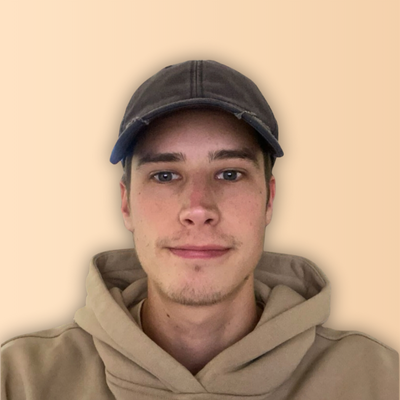
Instagram's visual style shifts constantly. The heavily filtered, perfectly curated grids of a few years ago are out. What's working now in 2026 is a mix of intentional imperfection, cinematic editing, and formats like photo dumps that prioritize relatability over polish.
Here are the photo trends actually driving engagement — including editing techniques, composition styles, and profile picture trends — with practical tips on how to create them.
Photo Editing Trends Dominating Instagram in 2026
Editing style is often what makes a photo feel "current" on Instagram. Here are the techniques getting the most traction right now.
1. Film and Analog Aesthetics
The look: warm tones, visible grain, slightly faded blacks, and muted highlights. Photos that feel like they were shot on a disposable camera or 35mm film — even when they were taken on an iPhone.
How to create it:
- Add grain in Lightroom or VSCO (15-30% intensity works well without looking forced)
- Lift the blacks slightly — instead of pure black shadows, pull them to a dark gray
- Reduce clarity by 5-15 to soften the digital sharpness
- Warm up the temperature slightly (+5 to +10)
- Lower vibrance while keeping saturation neutral
Apps that do this well: VSCO (filters like C1, A6, and HB series), Dazz Cam (simulates specific film cameras), Huji Cam (disposable camera look), Lightroom Mobile (manual grain and tone curve control)
This style works particularly well for lifestyle, fashion, and travel content where the "imperfect" look adds a sense of authenticity.
2. Cinematic Color Grading
The look: teal-and-orange, desaturated greens, and split-toning that makes photos look like movie stills. This borrows directly from film color grading — specifically the warm highlights / cool shadows combination used in Hollywood.
How to create it:
- Use split-toning: warm tones (orange/amber) in highlights, cool tones (teal/blue) in shadows
- Desaturate greens and yellows to make environments look more muted
- Increase contrast slightly for depth
- Use the tone curve to add a subtle S-curve (brighter highlights, deeper shadows)
Apps and tools: Lightroom Mobile (split toning and HSL sliders), Snapseed (selective color adjustments), Prequel (cinematic presets), Darkroom (tone curve and color grading)
This style is popular with portrait photographers, travel accounts, and anyone posting urban or architectural photography.
3. Natural and Minimal Editing
The opposite of the over-filtered era. The trend is toward photos that look close to how the scene actually appeared — clean, natural light, accurate skin tones, and minimal retouching.
How to create it:
- Focus on good lighting at the capture stage (golden hour, window light, open shade)
- Make small adjustments only: exposure correction, white balance, slight contrast
- Avoid smoothing skin or heavy face editing — texture and pores are part of the trend
- Keep saturation close to natural levels
- Skip the filters and preset stacking
This approach works best when the photography itself is strong. It puts more emphasis on composition, lighting, and the subject rather than post-processing.
4. Selective Color Editing
The technique: adjusting specific color channels (HSL sliders) to create a cohesive look across your feed. For example, shifting all greens toward teal, warming all oranges toward golden, or desaturating everything except one accent color.
Common approaches:
- Desaturate everything except warm skin tones — makes portraits pop against muted backgrounds
- Shift greens toward teal or aqua — popular in travel and lifestyle content
- Warm up oranges and yellows for a golden-hour-everywhere look
- Mute blues for a softer, less contrasty sky
How to do it: The HSL (Hue, Saturation, Luminance) panel in Lightroom Mobile or Snapseed's selective editing tools. Adjust hue to shift colors, saturation to boost or mute specific tones, and luminance to brighten or darken color ranges.
This is how many Instagram accounts create a "consistent aesthetic" without using the same preset on every photo — they target specific colors and shift them toward their brand palette.
5. Texture and Grain Overlays
Adding visible grain, dust, or light leak effects on top of clean digital photos. This creates visual interest and breaks the "too perfect" look that can make content feel stock-photo-like.
How to create it:
- Add film grain at 20-40% in Lightroom (go higher for a grungier look)
- Layer light leak effects from apps like Prequel or RNI Films
- Add subtle dust or scratch overlays (available in VSCO and various preset packs)
- Increase the texture slider in Lightroom (+10 to +25) for more surface detail
A note on balance: A light grain adds character. Heavy grain on every photo starts to look like a gimmick. Use it intentionally — it works best on lifestyle, portrait, and street photography, less well on product shots where you want clean detail.
Instagram Photo Style Trends
Beyond editing, the style and format of photos is shifting too.
Photo Dumps (Carousel Posts)
Photo dumps continue to outperform single-image posts for engagement in 2026. The format: a carousel of 5-10 photos that feel collected rather than curated — mixing high-quality shots with casual moments, food, screenshots, and random textures.
Why they work:
- More swipes = more time on post = algorithm boost
- The "imperfect" mix feels authentic and relatable
- Multiple images mean multiple chances to resonate with different followers
- High save rates (people save the whole set for later)
How to structure a good photo dump:
- First slide: your strongest, most scroll-stopping image
- Middle slides: mix intentionally — alternate between polished and casual, close-up and wide, people and objects
- Last slide: something memorable — a text screenshot, a meme, a sunset, or a prompt that encourages comments
- Don't force a theme — the appeal is the variety
Photo dumps work across almost every niche: lifestyle, travel, fashion, food, and personal brands.
Blurry and Motion Photography
Intentionally out-of-focus or motion-blurred photos are still trending. The look communicates spontaneity — like the moment was too good to stop and frame perfectly.
How to create it:
- Move the camera slightly while taking the photo (works best in lower light)
- Shoot while walking — the natural movement creates authentic blur
- Use a slow shutter speed (1/30 or slower) to capture motion blur
- The 0.5x ultra-wide lens on iPhone adds a fun, distorted perspective when used in motion
This works best mixed in with sharp images — an entire feed of blurry photos loses impact, but a blurry shot tucked into a photo dump or posted occasionally adds variety and energy.
Candid Over Posed
The shift from "stand here and smile" to "caught in the middle of doing something" continues. Candid shots — laughing, walking, looking away from camera, mid-conversation — consistently outperform stiff posed portraits in engagement.
Practical tips:
- Ask your subject to do something rather than stand still (walk toward camera, adjust their hair, look at something off-frame)
- Use burst mode and pick the most natural frame
- Shoot from slightly further away and crop in — less pressure on the subject means more natural body language
- Capture real moments between the "real" shots — often the outtakes are the most engaging images
Environmental Portraits
Photos where the environment is as important as the person. Instead of tight headshots against blurred backgrounds, the trend is pulling back to show context — the cafe, the street, the landscape, the workspace.
What makes them work:
- The setting tells a story beyond the subject
- Wider compositions feel less "Instagram-posing" and more editorial
- They work for both personal brands (showing your world) and businesses (showing your space)
- Natural framing elements (doorways, arches, windows, trees) add visual interest
Shoot at wider focal lengths or step back further than you normally would. Let the location do half the work.
Instagram Profile Picture Trends
Your profile photo is the smallest but most-seen image on your account. Here's what's working in 2026.
Close-crop portraits: Tight framing from mid-chest up, filling most of the circle. This reads clearly at the small size Instagram displays profile photos.
Consistent brand colors: Wearing or standing against a color that matches your feed aesthetic. This makes your profile photo feel intentional when it appears next to your posts in the feed.
Natural expressions over formal headshots: A slight smile, mid-laugh, or looking slightly off-camera reads as more approachable than a stiff corporate headshot — unless your brand specifically calls for formal.
Good lighting is non-negotiable at this size: Natural window light or golden hour. At profile-photo size, poorly lit images turn into muddy dark circles.
AI-generated illustrations: Some creators and brands are using AI-generated illustrated versions of themselves as profile photos — this can work well for standing out, though it trades some personal connection for visual distinctiveness.
For a deeper guide, see our best Instagram profile pictures guide.
Niche-Specific Photo Trends
Fashion and Style
- Candid street-style shots replacing studio-posed looks
- Mirror selfies with intentional compositions (full-length, showing the space)
- Close-up texture shots of fabrics, jewelry, and accessories
- Outfit flat lays on minimal backgrounds
- Styling process shown in carousels (before/after)
Food and Beverage
- Overhead flat lays remain strong for table spreads
- Dark, moody food photography with dramatic single-source lighting
- Action shots: pouring, cutting, steam rising, sauce drizzling
- Ingredient close-ups with natural textures
- Messy, in-progress cooking moments (not just the final plated dish)
Travel and Adventure
- Off-the-beaten-path locations over tourist hotspots
- Photos showing local people and culture (with permission) rather than empty landscapes
- Sunrise and golden hour landscapes
- The travel process itself: airports, packing, transit, maps
- Drone perspectives for scale and context
Beauty and Skincare
- Real skin texture — pores, freckles, and natural imperfections
- No-makeup or minimal-makeup looks
- Close-up product texture shots in natural light
- Before/after transformations with consistent lighting
- Application process shown in carousels
Business and Entrepreneurship
- Workspace setups and desk reveals
- Team collaboration moments (candid, not staged group photos)
- Product development behind-the-scenes
- Whiteboard and brainstorming sessions
- Day-in-the-life carousels
What's Not Working Anymore
These photo styles are seeing declining engagement:
- Heavy face smoothing and retouching — audiences now associate this with inauthenticity
- Overly staged "perfect life" shots — the performative perfection era is over
- Excessive preset stacking — photos that look obviously over-processed
- Perfectly planned grids — most high-performing accounts have moved past grid planning
- Stock-photo-style content — generic smiling-at-laptop or handshake photos read as corporate and get skipped
- Super-saturated everything — subtle color work has replaced the "crank up the saturation" approach
The overall direction is toward content that looks more human and less produced — which doesn't mean low effort, it means effort spent on authentic moments and thoughtful editing rather than heavy post-processing.
How to Test Trends on Your Account
Rather than overhauling your content style overnight, test trends gradually:
Pick 1-2 trends that match your niche. A food account doesn't need blurry nostalgia photos. A fashion account doesn't need overhead flat lays. Choose what fits naturally.
Create 3-5 posts in the new style. Enough to get meaningful data from Instagram Insights, not so many that you've committed fully to something untested.
Compare performance against your recent average. Look at reach (especially reach to non-followers), saves, shares, and comments. Likes matter less than saves and shares for the algorithm.
Give it 2-3 weeks before deciding. Individual posts can over- or under-perform for reasons unrelated to style — timing, caption, hashtags. You need a small sample to see a real pattern.
Keep what works, drop what doesn't. Simple as that. Not every trend will resonate with your specific audience.
Create content, post everywhere
Create captions, images, and videos with AI. Schedule to 9 platforms in seconds.
Start your free trial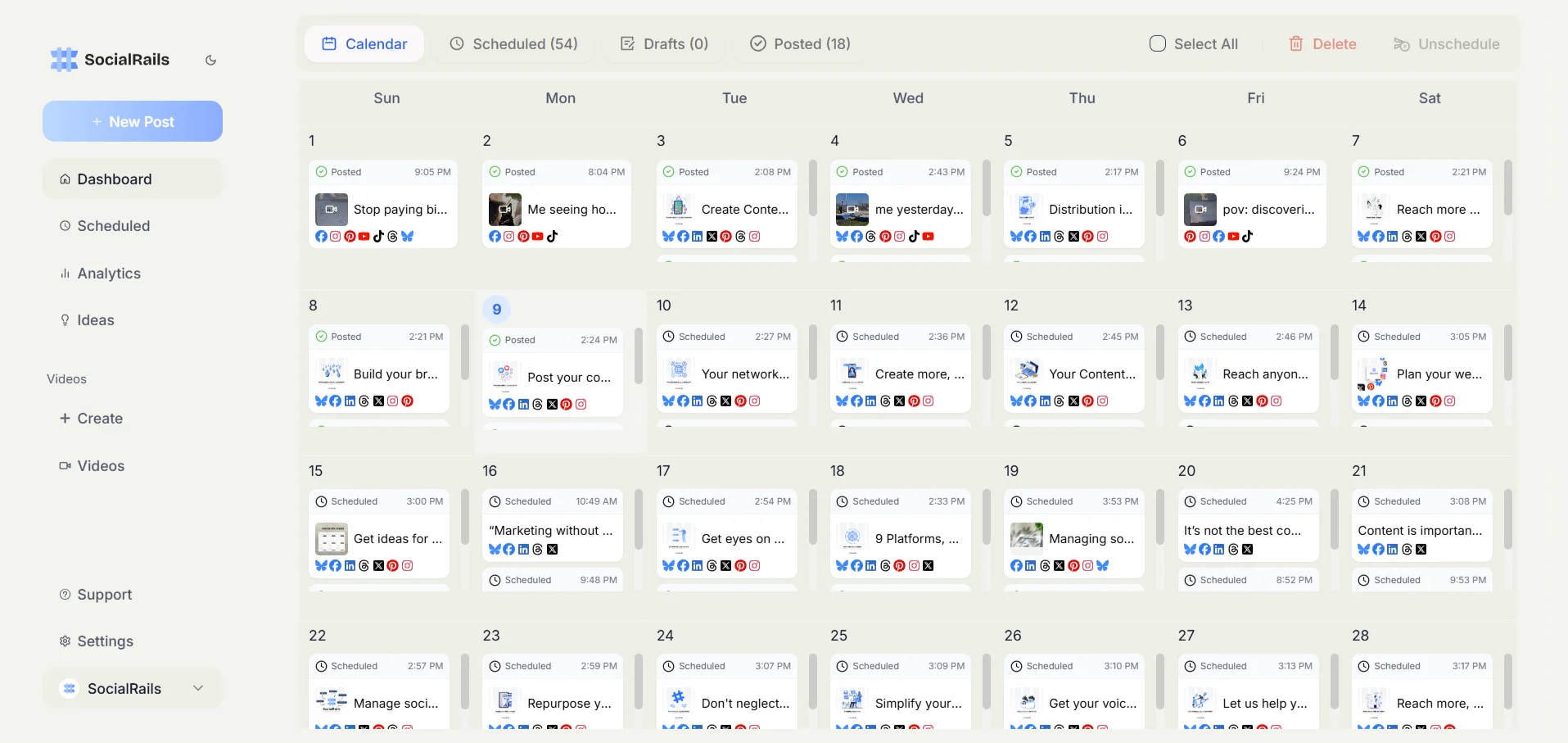
Editing Tools Worth Trying
Free
- Lightroom Mobile (free version) — HSL sliders, tone curve, selective editing
- Snapseed — selective editing, structure tool, and healing brush
- VSCO (basic version) — film-style presets and manual adjustments
- Instagram's built-in editor — has improved significantly; the warmth and structure sliders are underrated
Paid
- Lightroom Premium ($4.99/mo) — masking, healing, and AI-powered adjustments
- VSCO Full ($19.99/year) — full preset library and video editing
- Darkroom ($49.99/year) — powerful tone curve, batch editing, and RAW support on iPhone
- Prequel ($39.99/year) — cinematic presets, effects, and light leak overlays
For Film and Analog Looks Specifically
- Dazz Cam — simulates specific film camera models
- Huji Cam — disposable camera aesthetic with date stamps
- RNI Films — high-quality film emulation presets
Frequently Asked Questions
What are the biggest Instagram photo editing trends right now? Film-style grain and faded tones, cinematic teal-and-orange color grading, natural minimal editing, and selective color adjustments using HSL sliders. The overall direction is toward less heavy-handed editing and more intentional, subtle color work.
How often do Instagram photo trends change? Major aesthetic shifts (like the move from heavily filtered to natural editing) play out over 12-18 months. Specific techniques and styles (like a particular filter or pose trend) may peak within 1-3 months. The trends in this guide represent broader shifts, not micro-fads.
Do photo trends actually affect engagement? Yes. Instagram's algorithm surfaces content that gets engagement, and trending visual styles tend to perform better because they match what audiences are currently responding to. That said, consistency and quality matter more than chasing every trend.
Should I change my entire feed to match a trend? No. Test trends gradually with a few posts and see how your specific audience responds. Abruptly changing your entire visual style can confuse existing followers. The best approach is adapting trends to your existing brand rather than copying them exactly.
What editing app do most Instagram creators use? Lightroom Mobile is the most widely used editing app among Instagram creators, primarily for its HSL sliders, tone curve, and preset support. VSCO is popular for quick film-style edits. Many creators use both — Lightroom for detailed editing and VSCO for quick adjustments.
Are photo posts still relevant on Instagram or is it all video now? Photo posts are still very relevant. Instagram has confirmed that the platform supports photos and video equally in the algorithm. Photo carousels (dumps) in particular perform well for engagement, saves, and shares. The key is quality and relevance, not format.
Related Guides
Was this article helpful?
Let us know what you think!