
Social Media for Course Creators: Sell More Courses Online

You've built an incredible course. Now nobody knows it exists.
Creating the course was the easy part. Getting people to buy is where the real work begins.
Similar guides for coaches, consultants, photographers, and veterinarians are also available.
Create content, post everywhere
Create captions, images, and videos with AI. Schedule to 9 platforms in seconds.
Start your free trial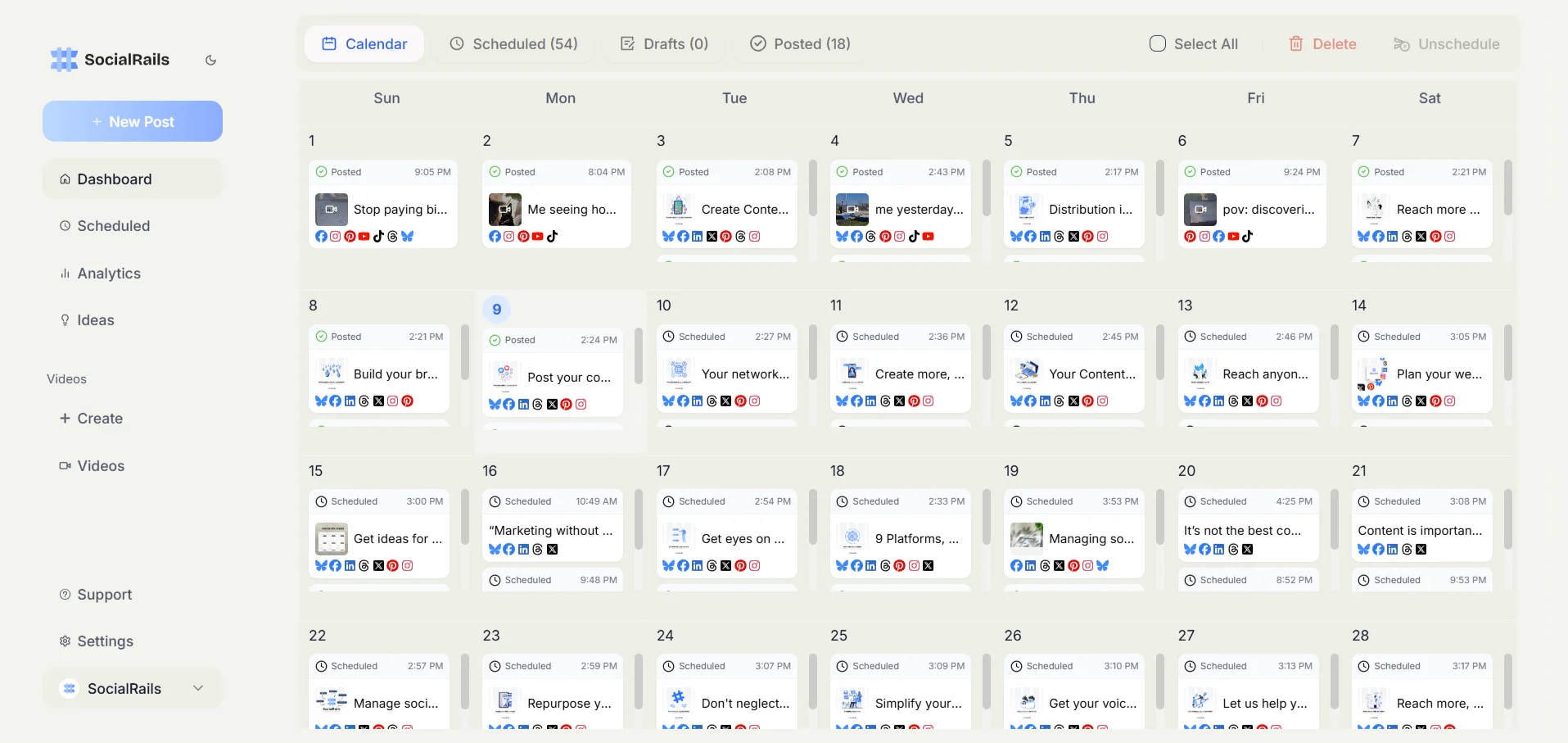
The Student Trust Ladder
Students don't buy courses from strangers.
Social media is where stages 1-5 happen.
Platform Selection by Course Topic
You're launching a coding bootcamp course. Which platform should be your primary focus?
Multi-Platform Strategy
For course creators, consider three platform roles:
Don't try all three immediately. Master one first.
Content Pillars for Course Creators
1. Teaching Content (40%)
- Quick tutorials
- Tips and how-tos
- Common mistake breakdowns
- Framework explanations
2. Transformation Content (20%)
- Student success stories
- Before/after results
- Progress showcases
3. Behind-the-Scenes (15%)
- Your creation process
- Day in your life
- Course sneak peeks
4. Objection-Handling (15%)
- "Why this works"
- "Why courses vs. free YouTube"
- "Time investment required"
5. Social Proof (10%)
- Student testimonials
- Results and outcomes
- Reviews and ratings
You're creating content for your course. Should you give away your best stuff for free?
Content Ideas That Convert
Building Audience Pre-Launch
Starting from zero? Here's the timeline:
You have 200 followers and want to launch your course. What should you do?
The Launch Sequence
Launch Week Content Ideas
- "Doors are open! [Course] is live"
- "What's inside [course name]"
- "Meet your student community"
- "Success story: [specific student]"
- "Bonus expires in 24 hours"
- "Last day to join [course]"
Evergreen Sales Strategy
Not doing launches? Here's the always-on approach:
Your course has been live for 6 months. Sales have slowed. What's the best approach?
Video Content Strategy
YouTube for Course Creators
YouTube works exceptionally well because:
- Demonstrates teaching ability
- SEO drives long-term discovery
- Long-form builds deep trust
- Natural pathway to paid courses
Short-Form Video
TikTok, Reels, and Shorts for reach:
Handling Common Objections
"Why pay when free content exists?"
Address this directly in content:
A follower comments: 'Why would I pay when I can learn this on YouTube for free?' How do you respond?
Analytics That Matter
Focus on conversion metrics. 10,000 followers who don't buy is worse than 1,000 who do.
Time Investment
Speed up content creation with AI tools and carousel makers. Use a scheduler to batch and automate.
Start This Week
- Choose your primary platform based on course topic
- Define 4-5 content pillars connected to your course
- Create a lead magnet to build your email list
- Post 3-4x this week with genuine teaching content
- Engage 20 minutes daily with your target audience
- Track what converts and do more of it
Social media for course creators is about building trust through free value that makes people want the complete solution.
Show up consistently. Teach generously. Let results speak for themselves.
Related Resources
- Social Media for Coaches - Coaching-specific strategies
- Social Media for Consultants - Expert positioning tactics
- AI Social Media Post Generator - Create content faster
- AI Carousel Maker - Build course preview carousels
- Best Time to Post on YouTube - Optimize video reach
- Repurpose Blog Content - Turn lessons into social posts
- 30-Day Social Media Calendar - Plan your launch content
Was this article helpful?
Let us know what you think!