

Best Social Media Platforms for Writers in 2026 (Data from 850+ Authors)

Which social media platform should you use as a writer? According to a recent survey of over 850 authors, more than 78% use at least one platform weekly. But where you focus matters—and it depends on your genre.
Here's what actually works for writers in 2026, including newer platforms like Threads and Bluesky.
Create content, post everywhere
Create captions, images, and videos with AI. Schedule to 9 platforms in seconds.
Start your free trial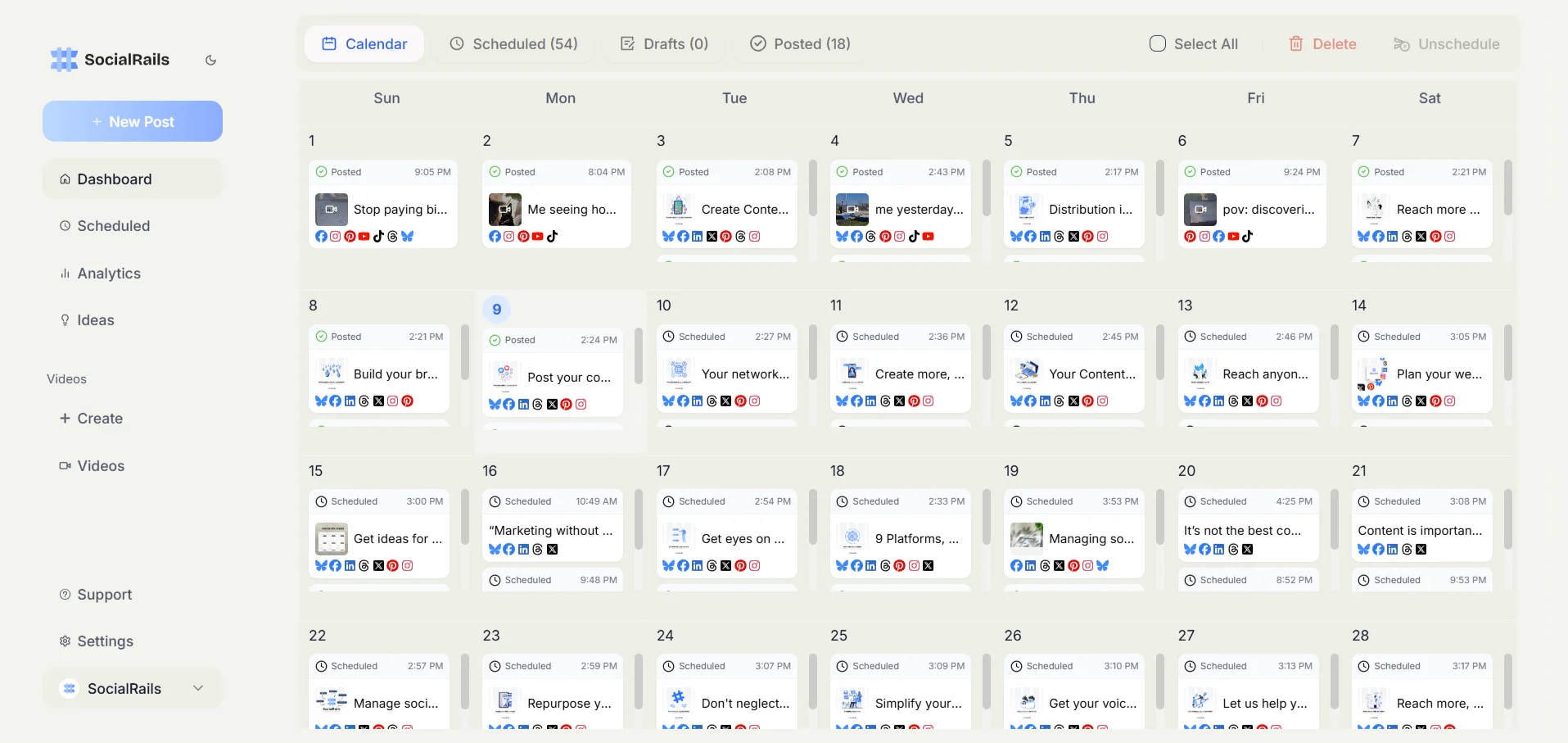
Before You Start: Email List First
Social platforms come and go, but your email list is yours. Many successful authors recommend building your email list as your primary goal, using social media to drive subscribers.
Why email matters more than followers:
- You own your subscriber list—platforms can change algorithms or shut down
- Email open rates typically outperform social reach
- Direct communication with readers who actually want to hear from you
- Better conversion for book launches and announcements
Use social media to grow your email list, not just your follower count.
Why Writers Need Social Media
Social media helps writers:
- Build a loyal audience before publishing
- Connect directly with readers
- Promote books and writing services
- Network with other writers and industry professionals
- Share their writing journey and build personal brand. Solopreneurs and freelance writers can use our Solopreneur Content Generator to create authentic content that builds your personal brand
- Get feedback on work in progress
- Drive email list signups
Best Social Media Platforms for Writers
1. Facebook & Instagram - Most Popular for Authors
According to author surveys, Meta's platforms remain the most popular for writers across all genres.
Facebook works well for:
- Building reader communities and fan groups
- Longer-form updates about your writing journey
- Event promotion for book launches
- Connecting with readers who prefer longer content
- Best genres: Women's Fiction, Religion/Spirituality, Christian Fiction
Instagram works well for:
- Visual storytelling (BookStagram community is massive)
- Showing your writing lifestyle and process
- Stories for daily writing updates
- Reels for short-form content
- Best genres: Women's Fiction, Romance, Young Adult
Best practices for both:
- Post 3-5 times per week
- Use relevant hashtags (#BookStagram, #WritersOfInstagram)
- Create a consistent visual style
- Mix personal and professional content
- Join and participate in writer groups
2. Twitter (X) - Real-Time Engagement (With Caveats)
Twitter has become unstable since 2022, with many authors migrating to Threads and Bluesky. However, #WritingCommunity remains active.
Why it still works for writers:
- Strong legacy writing community with hashtags like #WritingCommunity
- Quick connections with agents, editors, and publishers
- Good for sharing writing tips and quotes
- Real-time engagement during events
What to post:
- Daily writing progress updates
- Writing tips and advice
- Behind-the-scenes of your writing process
- Responses to writing prompts
Best practices:
- Consider cross-posting to Threads or Bluesky as backup
- Use writing hashtags like #WritingCommunity, #AmWriting
- Engage with other writers' posts daily
- Pin a tweet about your latest work
3. TikTok - Best for BookTok Community
Authors who published their first book after 2020 are twice as likely to use TikTok regularly compared to those who debuted earlier. The BookTok community can drive significant book sales.
Why it works for writers:
- BookTok community drives real book sales
- Great for short writing tips
- Perfect for showing your personality
- Trending audio can dramatically increase reach
What to post:
- Quick writing tips (60 seconds or less)
- Book recommendations and reviews
- Day-in-the-life as a writer
- Writing myths vs reality
- Dramatic book reveals and readings
Best practices:
- Post consistently (daily if possible)
- Use trending sounds and hashtags (#BookTok, #WritingTok)
- Keep videos short and engaging
- Show your face to build connection
- Participate in BookTok trends
Note: Over half of authors surveyed spend no time creating video content, so there's less competition if you're willing to make videos.
4. Threads - Growing Alternative
Threads reached over 33 million monthly active users by mid-2025 and integrates directly with Instagram, letting you leverage your existing audience.
Why it works for writers:
- Less saturated than Twitter/X
- Integrates with your Instagram following
- Text-focused (good for writers)
- Growing writing community
What to post:
- Writing progress and updates
- Short writing tips and observations
- Behind-the-scenes thoughts
- Community engagement and discussions
Best practices:
- Cross-post key content from X/Twitter
- Engage authentically with other writers
- Use it as a backup for Twitter community
- Link your Instagram for cross-promotion
5. Bluesky - For Literary and Genre Fiction
Bluesky has attracted many literary fiction, science fiction, and horror writers. The decentralized platform offers fewer algorithmic restrictions.
Why it works for writers:
- Strong community for sci-fi, horror, and literary fiction
- Less algorithmic manipulation
- Authentic engagement without boost-to-win dynamics
- Many publishing professionals migrated from Twitter
Best practices:
- Join relevant "feeds" for your genre
- Engage genuinely without worrying about algorithms
- Build relationships over time
- Good for networking with agents and editors
Best genres: Science Fiction, Horror, Literary Fiction
6. LinkedIn - Best for Professional/Freelance Writers
Why it works for writers:
- Ideal for freelance writers, copywriters, and business writers
- Great for sharing industry insights
- Direct connection to potential clients
- Publishing platform for longer articles
What to post:
- Writing industry insights
- Tips for better business writing
- Your professional writing services
- Success stories and case studies
Best practices:
- Post 2-3 times per week
- Write LinkedIn articles to showcase expertise
- Connect with potential clients and collaborators
- Best genres: Nonfiction, Religion/Spirituality, Literary Fiction
Best Platforms by Genre and Writing Type
Fiction Writers
Best platforms: Instagram, TikTok, Facebook, Bluesky
- Romance/Women's Fiction: Instagram and Facebook have the strongest communities
- Science Fiction/Horror: Bluesky has attracted many in these genres
- Literary Fiction: Bluesky and LinkedIn for industry networking
- Young Adult: TikTok (BookTok) and Instagram
Focus on visual storytelling, share character inspiration and world-building, and participate in book communities for your specific genre.
Non-Fiction Writers
Best platforms: LinkedIn, Threads, Bluesky
- Share expertise and industry knowledge
- Build thought leadership with long-form content
- Connect with industry professionals
- LinkedIn articles work well for establishing credibility
Freelance/Copywriters
Best platforms: LinkedIn, Twitter/X, Threads
- Showcase your writing services and portfolio
- Share client success stories (with permission)
- Network with potential clients
- LinkedIn is particularly strong for copywriters and ghostwriters
Poets
Best platforms: Instagram, TikTok, Threads
- Share short poems and visual poetry
- Instagram carousels work well for longer poems
- TikTok for spoken word performance
- Engage with poetry communities using hashtags
Content Ideas for Writers on Social Media
Daily Content Ideas:
- Writing progress updates
- Motivational writing quotes
- Behind-the-scenes of writing process
- Book recommendations
- Writing tips and tricks
- Photos of writing setup
- Questions for your audience
Weekly Content Ideas:
- Writing challenges and prompts
- Author interviews or spotlights
- Book reviews
- Writing resource recommendations
- Industry news and trends
- Personal writing wins and struggles
Monthly Content Ideas:
- Reading lists for your genre
- Writing goal updates
- Author Q&A sessions
- Book launch announcements
- Writing workshop or event promotions
How to Choose Your Platforms
Start with 1-2 platforms maximum. Pick based on:
- Where your readers are - Young adult readers? Try TikTok and Instagram. Business professionals? LinkedIn and Twitter.
- Your content style - Love making videos? TikTok. Prefer photos? Instagram. Enjoy writing posts? Twitter or LinkedIn.
- Available time - TikTok needs daily posts. LinkedIn works with 2-3 posts per week.
Common Mistakes Writers Make on Social Media
Don't Do This:
- Only posting when you have something to sell
- Being on too many platforms at once
- Posting inconsistently
- Ignoring comments and messages
- Making everything about your book
- Not engaging with other writers
Do This Instead:
- Post valuable content regularly
- Focus on 1-2 platforms and do them well
- Set a posting schedule and stick to it
- Respond to all comments and messages
- Share 80% helpful content, 20% promotional
- Support other writers by sharing their work
Social Media Tools for Writers
Content Creation:
- Canva for graphics and quote images
- Buffer or Hootsuite for scheduling
- Grammarly for error-free posts
- Unsplash for free stock photos
Community Building:
- Facebook groups for your genre
- Twitter chats for writers
- Instagram pods for engagement
- LinkedIn groups for professional networking
Measuring Success as a Writer on Social Media
Track these metrics:
- Follower growth month over month
- Engagement rate on posts
- Website traffic from social media
- Email list sign-ups from social media
- Book sales or writing inquiries
- Speaking or collaboration opportunities
Getting Started: Your First 30 Days
Week 1-2: Set up profiles and post daily Week 3-4: Start engaging with other writers Month 2: Develop your content themes Month 3: Analyze what's working and adjust
Focus on being helpful, authentic, and consistent. Social media for writers works best when you treat it as a way to serve your future readers, not just promote your work.
Frequently Asked Questions
Which social media platform is best for writers starting out?
Twitter (X) is often the best platform for writers starting out because of its strong writing community, easy networking with agents and publishers, and perfect format for sharing writing tips and progress updates. Use hashtags like #WritingCommunity and #AmWriting to connect with other writers.
How can writers use social media without spending too much time?
Start with 1-2 platforms maximum and set a posting schedule. Use tools like Buffer or Hootsuite for scheduling posts in advance. Focus on quality over quantity - posting 3-5 times per week with genuine engagement is better than posting daily without interaction.
Should writers share their work-in-progress on social media?
Yes, sharing work-in-progress builds audience investment in your writing journey. Share daily word counts, writing challenges, behind-the-scenes of your writing process, and small excerpts or quotes. This helps build a loyal following before you publish.
What type of content should writers avoid posting?
Avoid only posting when you have something to sell, being on too many platforms at once, posting inconsistently, ignoring comments and messages, making everything about your book, and not engaging with other writers. Focus on 80% helpful content and 20% promotional content.
How do fiction and non-fiction writers differ in their social media strategy?
Fiction writers should focus on Instagram, TikTok, and Facebook for visual storytelling, character inspiration, and connecting with readers in their genre. Non-fiction writers work better on LinkedIn, Twitter, and Medium to share expertise, build thought leadership, and connect with industry professionals.
Can writers actually get book deals through social media?
While social media alone won't guarantee a book deal, many agents and publishers do discover writers through social platforms. A strong social media presence demonstrates your ability to build and engage an audience, which publishers value. Focus on building genuine connections rather than just follower counts.
What metrics should writers track on social media?
Track follower growth month over month, engagement rate on posts, website traffic from social media, email list sign-ups from social platforms, book sales or writing inquiries, and speaking or collaboration opportunities. Engagement rate is often more important than follower count.
How long does it take to build a writing audience on social media?
Building a meaningful writing audience typically takes 3-6 months with consistent posting and engagement. Focus on your first 30 days to establish posting habits and begin engaging with other writers. By month 2-3, you should start seeing steady follower growth and engagement from your target audience.
Related Resources
- Best Social Media Tools for Bloggers - Schedulers, blog-to-social converters, and Pinterest tools for writers who also blog
- Top Social Media Blogs to Read - The 30 best social media blogs ranked by usefulness
- How to Share Content Across Social Media Platforms - Cross-platform strategies
- Social Media for Artists - Creative professionals guide
- Best Content Creation Apps - Tools for creating visual content
- Best Time to Post on Twitter - Optimize your Twitter timing
- Instagram Hashtag Generator - Find hashtags for BookStagram
- Twitter Post Generator - Create engaging tweets
- What are Social Media Algorithms - Understanding how algorithms work
Quick Summary
Most popular platforms for authors (based on 850+ author survey):
- Facebook & Instagram - Most widely used across all genres
- TikTok - Best for newer authors and BookTok community
- Threads - Growing alternative with Instagram integration
- Bluesky - Strong for sci-fi, horror, and literary fiction
- LinkedIn - Best for freelance writers and nonfiction
- Twitter/X - Still active but unstable; use with backup
Key takeaways:
- Build your email list first—social platforms change, but your list is yours
- Start with 1-2 platforms that match your genre
- Most authors don't make video content, so there's opportunity on TikTok if you're willing
- Post consistently and engage authentically
- Focus on being helpful rather than just promotional
Your writing career will benefit from focused effort on the right platforms for your genre, not from trying to be everywhere at once.
Was this article helpful?
Let us know what you think!