
Social Media for Artists 2026: Best Platforms & Strategies to Sell Art

Choosing the right social media platforms can make or break your art career. Organic reach for independent artists has got harder, and the platforms reward different things than they did a few years ago. This guide is about picking the ones worth your time and what actually converts attention into sales on each.
This comprehensive guide reveals the best social media platforms for artists in 2026, with proven strategies for each art medium and realistic expectations for building your art business online.
Create content, post everywhere
Create captions, images, and videos with AI. Schedule to 9 platforms in seconds.
Start your free trial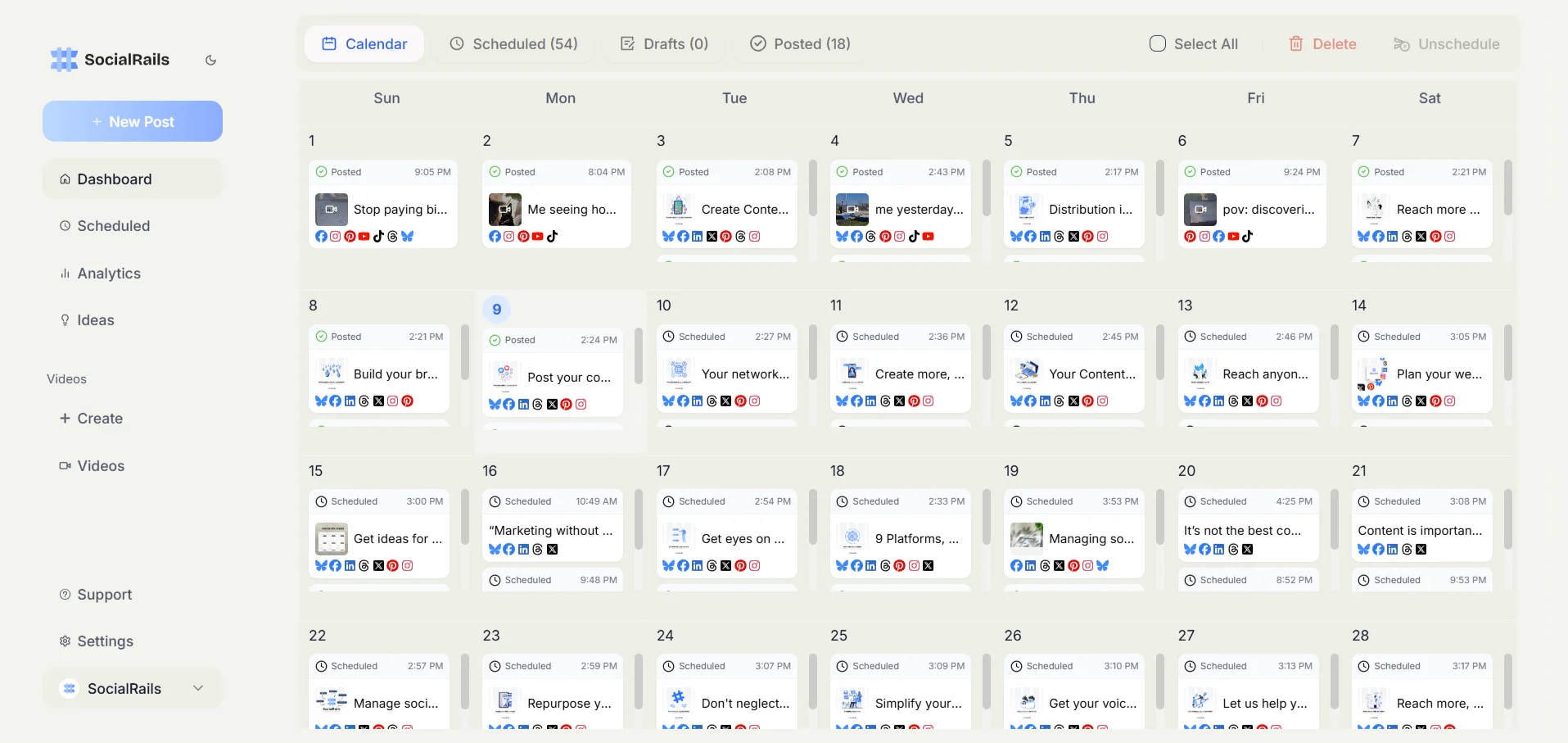
Quick Platform Comparison for Artists (2026)
2026 Reality Check for Artists
The Hard Truth:
- Monetising through social alone has got harder as organic reach has tightened, though we have no figure worth quoting on how much. Treat any guide that gives you one as making it up
- Algorithm changes favor short-form video over static images
- Organic reach has declined significantly across all platforms
- Most platforms prioritize engagement over art quality
What Still Works:
- YouTube and Patreon remain "stable" for art content and monetization
- TikTok and Twitter/X are easiest to grow on for new artists
- Pinterest functions as a search engine, not social media (long-term value)
- Consistent posting and authentic engagement matter more than follower count
Time Investment Reality: Artists report needing 10-15 hours per week for effective social media presence across 2-3 platforms.
Why Artists Need Social Media
Social media helps artists:
- Showcase their work to a global audience
- Build a loyal following of art collectors and fans
- Sell artwork directly without galleries
- Connect with other artists and creative professionals
- Document their artistic journey and process
- Get discovered by galleries, collectors, and art buyers
Best Social Media Platforms for Artists
1. Instagram - The Artist's Platform
Why Instagram is essential for artists:
- Highly visual platform built for showcasing art
- Large community of art lovers and collectors
- Instagram Shop for direct art sales
- Stories and Reels for behind-the-scenes content
- Art hashtag communities are massive and engaged
What to post:
- High-quality photos of finished artwork
- Work-in-progress shots and time-lapse videos
- Your art studio and workspace
- Close-up details of your techniques
- Behind-the-scenes of your creative process
- Art materials and tools you use
Growing your art audience:
- Post consistently (4-6 times per week)
- Use art hashtags like #ArtistsOnInstagram and #OriginalArt, but pick about five: Instagram announced in December 2025 that it is gradually moving reel and post captions to a five-hashtag allowance, so long tag blocks are over. See best Instagram hashtags for artists for a menu to choose from
- Engage with other artists and art collectors
- Share daily Stories showing your process
- Use Instagram Reels for time-lapse art creation
- Tag your location if showing in galleries
Selling art on Instagram:
- Set up Instagram Shop to sell directly
- Include prices in captions when appropriate
- Use "Link in Bio" to direct to your art website
- Create highlight reels for "Available Art"
- Post commission availability and process
2. TikTok - Best for Viral Art Content
Why TikTok works for artists:
- Perfect for time-lapse art creation videos
- Huge audience hungry for creative content
- Viral potential can explode your following overnight
- Great for showing personality and process
- Art content performs extremely well
What to post:
- Speed painting and drawing time-lapses
- Art tutorials and technique tips
- Transformation videos (before/after)
- Art supply reviews and recommendations
- Day-in-the-life as an artist
- Reacting to art trends and challenges
TikTok art strategies:
- Post daily if possible
- Use trending sounds when they fit your content
- Keep videos short, and host longer tutorials elsewhere: see our free video upload guide
- Show your face and personality
- Participate in art challenges and trends
- Add text overlays explaining techniques
3. Pinterest - Best for Finding New Art
Why Pinterest helps artists:
- Functions like a visual search engine
- People actively search for art inspiration
- Pins can drive traffic for months or years
- Great for selling art prints and digital downloads
- Art and design content performs well
What to post:
- Individual pieces of artwork with descriptive titles
- Art collections and series
- Inspirational quotes on art backgrounds
- Art tutorials and step-by-step guides
- Your workspace and studio setup
- Art supplies and material recommendations
Pinterest for artists:
- Create boards for different art styles or themes
- Use keywords in pin descriptions
- Pin consistently (5-10 pins per day)
- Create idea pins showing your process
- Link pins back to your website or shop
- Follow seasonal trends for art themes
4. Facebook - Best for Building Art Communities
Why Facebook still works for artists:
- Great for building a loyal fan base
- Facebook groups connect artists and buyers
- Easy to share longer posts about your work
- Facebook Marketplace for local art sales
- Live videos for painting demonstrations
What to post:
- Detailed posts about your artistic journey
- Photos of gallery shows and exhibitions
- Live painting or drawing sessions
- Art-related articles and inspiration
- Client testimonials and commission stories
- Local art events and shows
Facebook strategies:
- Create a Facebook page for your art business
- Join local art groups and communities
- Use Facebook Live for painting demonstrations
- Share your work in appropriate buy/sell groups
- Post 3-4 times per week with longer captions
5. YouTube - Best for Art Education
Why YouTube helps artists:
- Perfect platform for detailed art tutorials
- Builds authority and expertise in your medium
- Ad revenue potential from popular videos
- Great for showing full creative process
- SEO benefits for art-related searches
What to post:
- Step-by-step painting or drawing tutorials
- Art supply reviews and comparisons
- Studio tours and workspace setups
- Full-length painting sessions
- Art technique explanations
- Vlogs about your artistic journey
YouTube for artists:
- Upload consistently (1-2 videos per week)
- Create playlists for different techniques
- Use good lighting and audio quality
- Include calls-to-action in every video
- Optimize titles and descriptions with keywords
- Engage with comments to build community
6. Twitter - Best for Art Community Engagement
Why Twitter helps artists:
- Strong art community with hashtags like #ArtTwitter
- Great for sharing quick updates and process shots
- Easy networking with other artists and galleries
- Good for art-related discussions and trends
- Helpful for promoting gallery shows and events
What to post:
- Work-in-progress photos with short descriptions
- Art tips and techniques
- Inspirational thoughts about creativity
- Responses to art prompts and challenges
- Links to new artwork or blog posts
- Updates about gallery shows and exhibitions
Platform Strategy by Art Medium
Digital Artists
Focus on: Instagram, TikTok, Pinterest
- Show time-lapse creation videos
- Share digital art techniques and tools
- Create process breakdowns and tutorials
Traditional Painters
Focus on: Instagram, YouTube, Facebook
- Document the full painting process
- Show texture and brushwork details
- Share studio setup and materials
Sculptors and 3D Artists
Focus on: Instagram, TikTok, YouTube
- Multiple angles and rotating views essential
- Behind-the-scenes of sculpting process
- Before and after transformation videos
Illustrators and Character Artists
Focus on: Instagram, Twitter, TikTok
- Character sheets and design process
- Fan art and original characters
- Quick sketch videos and tutorials
Content Ideas for Artists
Daily Content Ideas:
- Work-in-progress shots
- Art materials and tools
- Studio workspace photos
- Quick art tips and techniques
- Inspirational art quotes
Weekly Content Ideas:
- Finished artwork reveals
- Time-lapse creation videos
- Art supply reviews
- Client commission features
- Artist collaboration highlights
Monthly Content Ideas:
- Gallery show announcements
- Art collection releases
- Studio tours and updates
- Art challenge participation
- Seasonal art theme series
Common Mistakes Artists Make on Social Media
Don't Do This:
- Only posting finished work without showing process
- Using poor quality photos of your art
- Not engaging with other artists and followers
- Only posting when you have something to sell
- Copying other artists' content or style too closely
- Neglecting to price or make art available for purchase
Do This Instead:
- Mix finished pieces with behind-the-scenes content
- Invest in good photography or scanning equipment
- Comment, like, and share other artists' work regularly
- Share your journey, the difficult stretches included, and your artistic growth
- Develop your unique voice and artistic style
- Make it easy for people to buy your art
Tools for Artists on Social Media
Photography and Editing:
- Good smartphone camera or DSLR for artwork photos
- Natural lighting or professional art photography lights
- Adobe Lightroom or Photoshop for image editing
- Canva for creating quote graphics and promotional images
Content Planning:
- Later or Buffer for post scheduling
- Pinterest scheduler for automated pinning
- Content calendar to plan posts in advance
- Hashtag research tools for discovering art communities
Selling Art:
- Instagram Shop integration
- Etsy or personal website for art sales
- PayPal or Square for payment processing
- Printful or similar for print-on-demand art
- A simple invoice template for commissions, which matters more than any tool once you start selling
Measuring Success as an Artist
Track these important metrics:
- Follower growth and engagement rate
- Website traffic from social media
- Art sales and inquiries from social platforms
- Commission requests through social media
- Gallery or collaboration opportunities
- Email list sign-ups from social media
Use our Instagram engagement benchmark calculator to see how your rate compares for your follower count.
Getting Started: Your First Month
Week 1: Set up professional profiles on Instagram and one other platform Week 2: Start posting consistently and use relevant hashtags Week 3: Begin engaging with other artists and potential collectors Week 4: Analyze what content performs best and adjust strategy
Focus on quality over quantity and authenticity over perfection. Process footage of work in progress consistently outperforms polished finished-piece shots, because the work is the story.
Building an Art Business Through Social Media
Short-term goals (1-3 months):
- Build consistent posting habits
- Connect with other artists in your medium
- Start building a following of engaged art lovers
- Begin documenting your creative process
Medium-term goals (3-12 months):
- Grow following to 1,000+ engaged followers
- Make first sales through social media
- Get featured by art accounts or publications
- Build email list of art collectors
Long-term goals (1+ years):
- Establish yourself as known artist in your niche
- Generate consistent income from art sales
- Get representation or gallery opportunities
- Build sustainable art business through social media
Frequently Asked Questions
Which social media platform is best for artists starting out?
How often should artists post on social media?
Can artists actually sell their work through social media?
What type of content should artists share besides finished artwork?
Which platforms work best for different art mediums?
How do artists avoid common social media mistakes?
What tools do artists need for social media success?
How long does it take to build an art following on social media?
Related Resources
- Social media for writers - the same problem for a different craft
- Best Instagram hashtags for artists - a menu to pick five from
- Best times to post on Pinterest - Pinterest is a search engine, timing matters differently
- How to get traffic from Pinterest - turning pins into visits
Additional guides for artists:
Quick Summary
Best platforms for artists:
- Instagram - Essential for visual art showcase
- TikTok - Perfect for process videos and viral reach
- Pinterest - Great for art discovery and print sales
- YouTube - Best for tutorials and building expertise
- Facebook - Good for community building and local sales
Start with Instagram as your main platform, add one other platform that fits your content style, and focus on consistently sharing both your finished work and creative process. Your art career will benefit from the authentic connections you build with your audience.
Was this article helpful?
Let us know what you think!