

The Marketing Concept Explained: Definition, Types & Examples (2026)

The marketing concept: Find what customers want, deliver it better than competitors.
That's it. Everything else is implementation.
Skip to: 5 Marketing Concepts | Comparison Table | Real Examples
Create content, post everywhere
Create captions, images, and videos with AI. Schedule to 9 platforms in seconds.
Start your free trial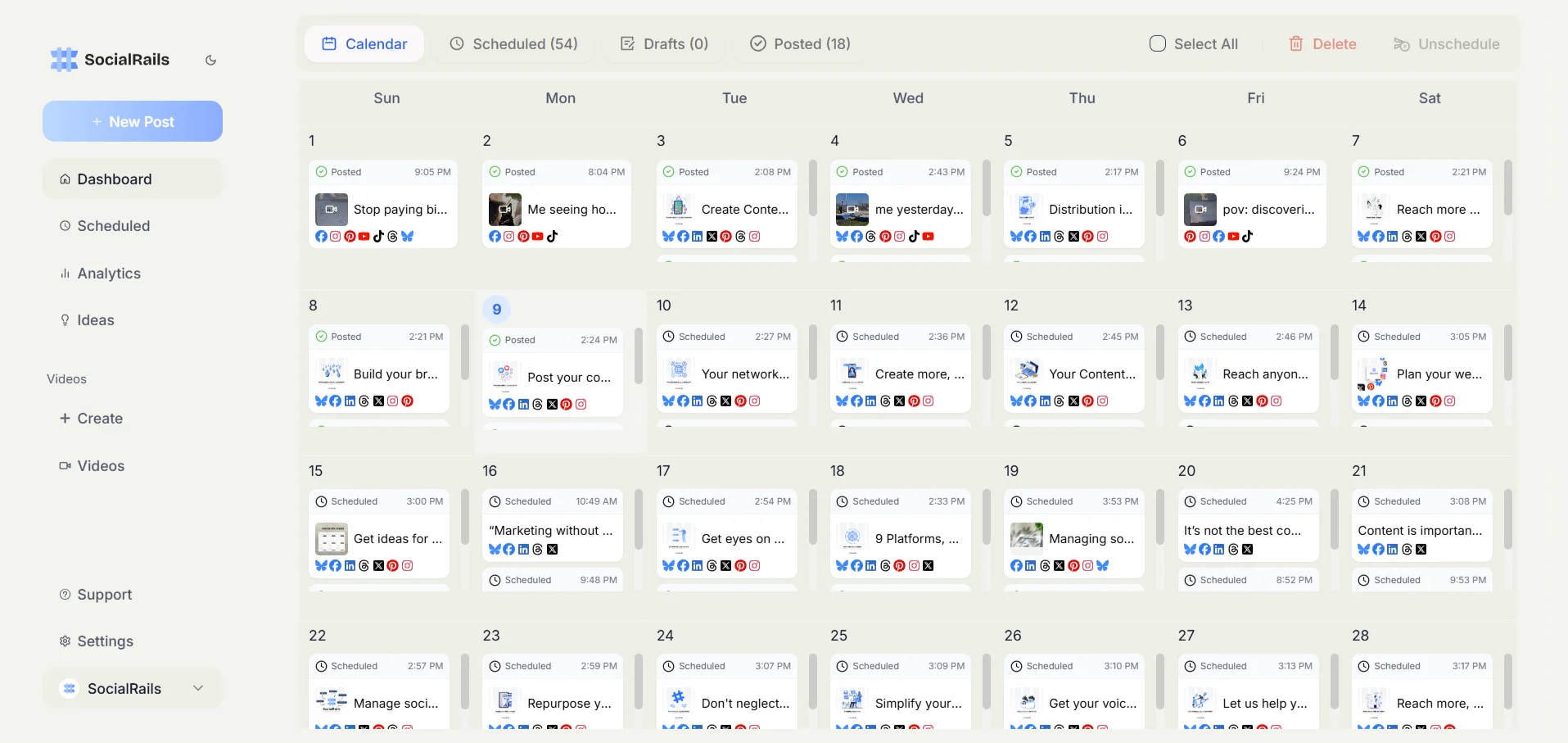
What Is the Marketing Concept?
The marketing concept is one of five business orientations that guide how companies approach the market.
Core belief: Long-term success comes from understanding and satisfying customer needs better than competitors.
Key principles:
- Customer focus drives all decisions
- Research precedes product development
- Profit comes through customer satisfaction
- Integrated marketing across departments
- Long-term relationships over short-term sales
The 5 Marketing Concepts (Philosophies)
1. Production Concept
Focus: Efficiency and availability
Philosophy: Consumers favor products that are widely available and affordable. Focus on production efficiency and distribution.
When it works:
- Demand exceeds supply
- Production costs need reducing
- Mass market products
Example: Henry Ford's Model T—"Any color as long as it's black." Focus on efficient production to lower costs.
Limitation: Ignores customer preferences and quality expectations.
2. Product Concept
Focus: Quality and features
Philosophy: Consumers favor products with the best quality, performance, and innovative features.
When it works:
- Technical products
- Quality-driven markets
- Premium segments
Example: Early Apple under Steve Jobs—obsessive focus on product design and user experience.
Limitation: Can lead to "marketing myopia"—focusing on product features rather than customer problems.
3. Selling Concept
Focus: Promotion and persuasion
Philosophy: Consumers won't buy enough unless the company undertakes aggressive selling and promotion efforts.
When it works:
- Unsought goods (insurance, cemetery plots)
- Excess inventory
- Short-term goals
Example: Time-share resorts—aggressive sales presentations to close deals.
Limitation: Creates customer resistance and lacks repeat business focus.
4. Marketing Concept
Focus: Customer needs and satisfaction
Philosophy: Achieving organizational goals depends on knowing target market needs and delivering satisfaction better than competitors.
When it works:
- Competitive markets
- Customer-driven industries
- Long-term growth focus
Example: Amazon—"Customer obsession rather than competitor focus."
Limitation: Can be resource-intensive; requires ongoing research.
5. Societal Marketing Concept
Focus: Customer needs + society's well-being
Philosophy: Marketing should deliver value to customers in a way that maintains or improves both consumer and societal well-being.
When it works:
- Environmentally conscious markets
- Socially aware consumers
- Regulated industries
Example: Patagonia—balancing profitability with environmental responsibility.
Limitation: Can create short-term cost increases.
Which marketing concept focuses on aggressive selling and promotion?
Comparison Table
The Marketing Concept in Practice
How Marketing-Oriented Companies Operate
Research first:
- Customer surveys and interviews
- Market analysis
- Competitor research
- Trend monitoring
Customer segmentation:
- Identify distinct customer groups
- Understand each segment's needs
- Tailor offerings accordingly
Value proposition:
- Clearly articulate benefits
- Differentiate from competitors
- Focus on solving problems
Integrated approach:
- All departments aligned on customer focus
- Marketing informs product development
- Sales and marketing work together
Companies Using the Marketing Concept
Amazon
"Start with the customer and work backwards."
- • Customer reviews guide improvements
- • Obsessive focus on delivery speed
- • Personalized recommendations
Zappos
"Deliver WOW through service."
- • 365-day return policy
- • Free shipping both ways
- • Customer service as competitive advantage
Netflix
"Give customers what they want."
- • Algorithm-driven recommendations
- • Original content based on viewing data
- • Easy cancellation policy
HubSpot
"Solve for the customer."
- • Free tools and resources
- • Education-first approach
- • Customer success teams
Marketing Concept vs. Other Concepts
Marketing vs. Selling Concept
Key difference: Selling pushes products. Marketing creates products customers want.
Marketing vs. Product Concept
Key difference: Product concept assumes best product wins. Marketing concept recognizes that "best" is defined by customers.
Evolution of Marketing Concepts
Historical progression:
1900s → Production Concept (Mass production era)
1930s → Product Concept (Quality differentiation)
1950s → Selling Concept (Post-war surplus)
1970s → Marketing Concept (Customer focus)
1990s → Societal Marketing (Social responsibility)
2020s → Digital/Relationship Marketing (Personalization + values)
Current trends:
- Hyper-personalization
- Purpose-driven marketing
- Data-driven customer insights
- Omnichannel experience
- Sustainable business practices
Implementing the Marketing Concept
Step 1: Research Your Market
- Conduct customer surveys
- Analyze purchase behavior
- Monitor social conversations
- Study competitors
Step 2: Segment Your Audience
- Identify distinct customer groups
- Understand each segment's needs
- Prioritize high-value segments
Step 3: Develop Value Proposition
- What problem do you solve?
- How are you different?
- Why should customers choose you?
Step 4: Align Your Organization
- Customer focus across all departments
- Marketing informs product decisions
- Customer feedback loops
Step 5: Measure Satisfaction
- Customer satisfaction scores
- Net Promoter Score (NPS)
- Customer retention rates
- Review and feedback analysis
Common Misconceptions
"Marketing concept means giving customers whatever they want"
- Reality: It means understanding needs, not catering to every demand
"The marketing concept is just about advertising"
- Reality: Marketing is a complete business philosophy, not just promotion
"Customer focus means ignoring profitability"
- Reality: Profitability comes THROUGH customer satisfaction
"The marketing concept is outdated"
- Reality: It's more relevant than ever in customer-centric digital era
Bottom Line
The marketing concept is best defined as: A business philosophy that achieves organizational goals by understanding and satisfying customer needs better than competitors.
Why it matters: In competitive markets, companies that truly understand their customers outperform those focused only on products or sales.
Key takeaway: Start with the customer, not the product.
Create content, post everywhere
Create captions, images, and videos with AI. Schedule to 9 platforms in seconds.
Start your free trialRelated Resources
Was this article helpful?
Let us know what you think!