
Industry Trend Prediction Post Generator
Turn your industry observations into bold thought leadership predictions that spark conversation and establish authority.
Your Industry Intelligence
Share what you're observing and we'll help you craft compelling predictions
The more specific your observations, the better your predictions will be
Ready to Make Bold Predictions?
Share your industry observations above and generate thought leadership posts that position you as a forward-thinking expert.
Complete Your Social Media Toolkit
Maximize your social media success with our other free tools
Why Industry Predictions Build Authority Faster Than Anything Else
Most LinkedIn content is backward-looking. People share what worked, what they learned, what happened.
Predictions are different. They force you to synthesize information, connect dots, and take a stance. That's exactly what thought leaders do.
When your prediction is right, you look like a genius. When it's wrong (and you own it), you look intellectually honest. Either way, you win.
The Anatomy of a Viral Prediction Post
1. The Bold Opening Hook
Skip the warm-up. Start with your prediction or a contrarian take that makes people stop scrolling.
- "Here's what nobody in [industry] is talking about yet:"
- "Unpopular opinion: [Industry] will look completely different in 12 months"
- "I've been tracking [trend] for 6 months. Here's what the data is telling me:"
2. The Evidence Layer
Back your prediction with specific observations. Vague predictions get ignored. Specific ones get shared. Your customer call notes and support ticket patterns are goldmines for this.
- Customer conversations you've had
- Competitor moves you've noticed
- Data points from your industry
- Conference topics that shifted
- Hiring patterns you've observed
3. The "Why" Explanation
Don't just say what will happen. Explain the mechanism. This is where you demonstrate deep thinking.
4. The Discussion Trigger
End with a question that invites disagreement. The best prediction posts have comment sections full of debate.
Common Prediction Post Mistakes
Being Too Safe
"AI will continue to grow" is not a prediction. It's stating the obvious. Push yourself to find the non-obvious angle.
Missing the Timeframe
"Eventually" and "someday" predictions are meaningless. Be specific: next quarter, next year, within 3 years.
No Skin in the Game
The best predictions come from people who are acting on them. If you're predicting something, are you also building toward it?
Forgetting the Second-Order Effects
First-order: "Remote work will stay." Second-order: "This will accelerate the rise of async-first companies that outcompete synchronous competitors."
How to Find Prediction-Worthy Observations
The Customer Conversation Method
When 3+ customers ask about the same thing unprompted, that's signal. Track these patterns. Use our customer call to social posts tool to turn these conversations into content.
The Competitor Watch Method
When multiple competitors pivot in the same direction, something is happening. What do they see that the market doesn't?
The Conference Shift Method
Compare this year's conference topics to last year's. What's new? What disappeared? What got more specific?
The Hiring Signal Method
New job titles and role requirements often predict market shifts 6-12 months before they become obvious.
Frequently Asked Questions
What makes a good industry trend prediction post?
The best prediction posts are specific, bold, and backed by observable data points. They avoid generic statements like "AI will grow" and instead focus on second-order effects and non-obvious implications. They also include reasoning for why the prediction will happen.
How do I gather observations for trend predictions?
Look for patterns in customer conversations, competitor moves, conference topics, hiring trends, funding announcements, and regulatory changes. The best predictions come from connecting dots that others haven't connected yet.
Should I worry about being wrong with my predictions?
Making predictions isn't about being right 100% of the time. It's about demonstrating you're thinking ahead and engaging your audience in meaningful discussions. The best thought leaders are comfortable being wrong sometimes because it shows they're taking intellectual risks.
How often should I post industry predictions?
Quality over quantity. One well-researched prediction post per month can establish more authority than weekly generic takes. Save predictions for when you have genuine insights backed by observations.
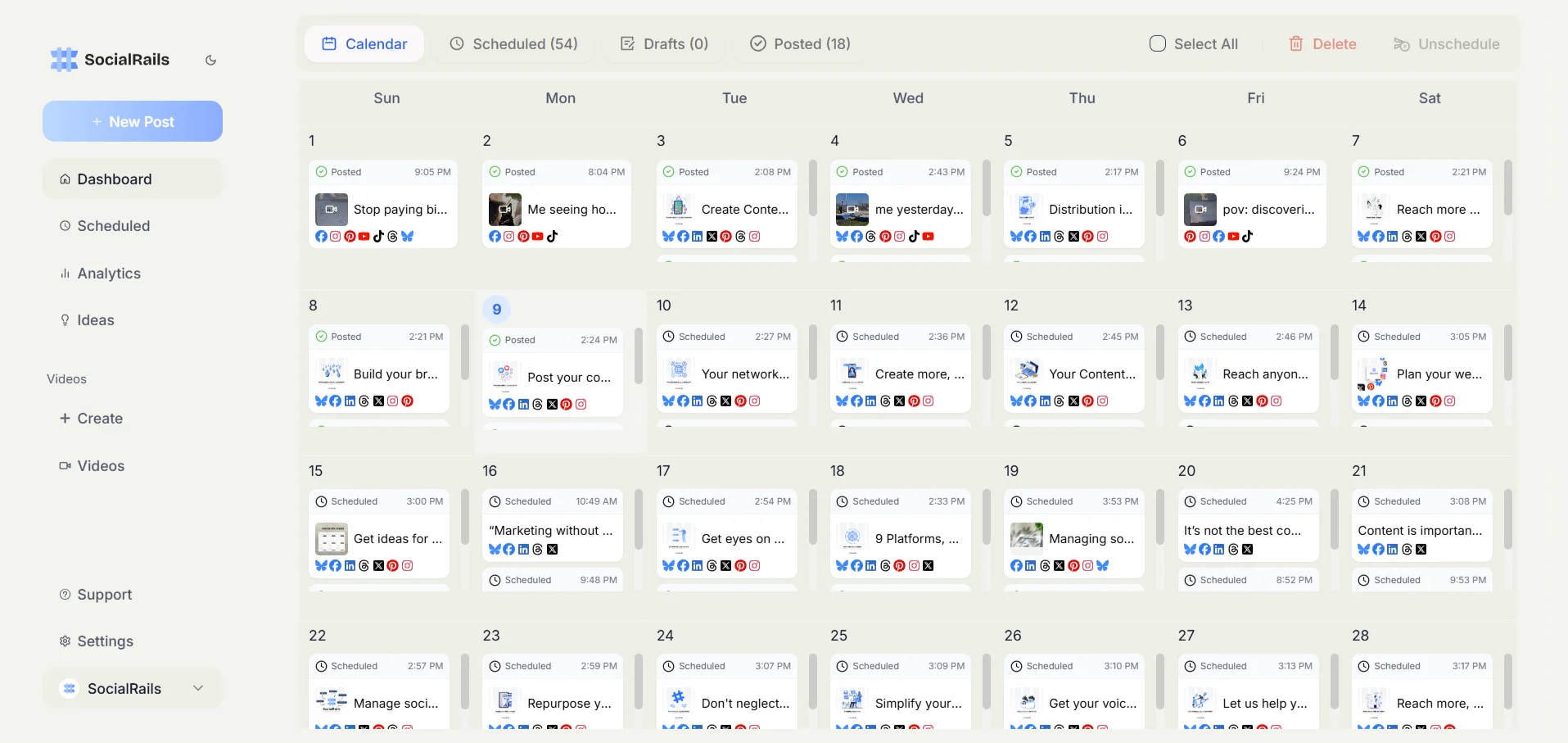
Create content, post everywhere
Create captions, images, and videos with AI. Schedule to 9 platforms in seconds.
Start your free trial