
A 360 marketing campaign is an integrated marketing approach that delivers a unified brand message across every customer touchpoint, including social media, email, paid ads, in-store, PR, content, and more. The goal is to surround your audience with a consistent experience no matter where they interact with your brand.
Quick Answer
Create content, post everywhere
Create captions, images, and videos with AI. Schedule to 9 platforms in seconds.
Start your free trial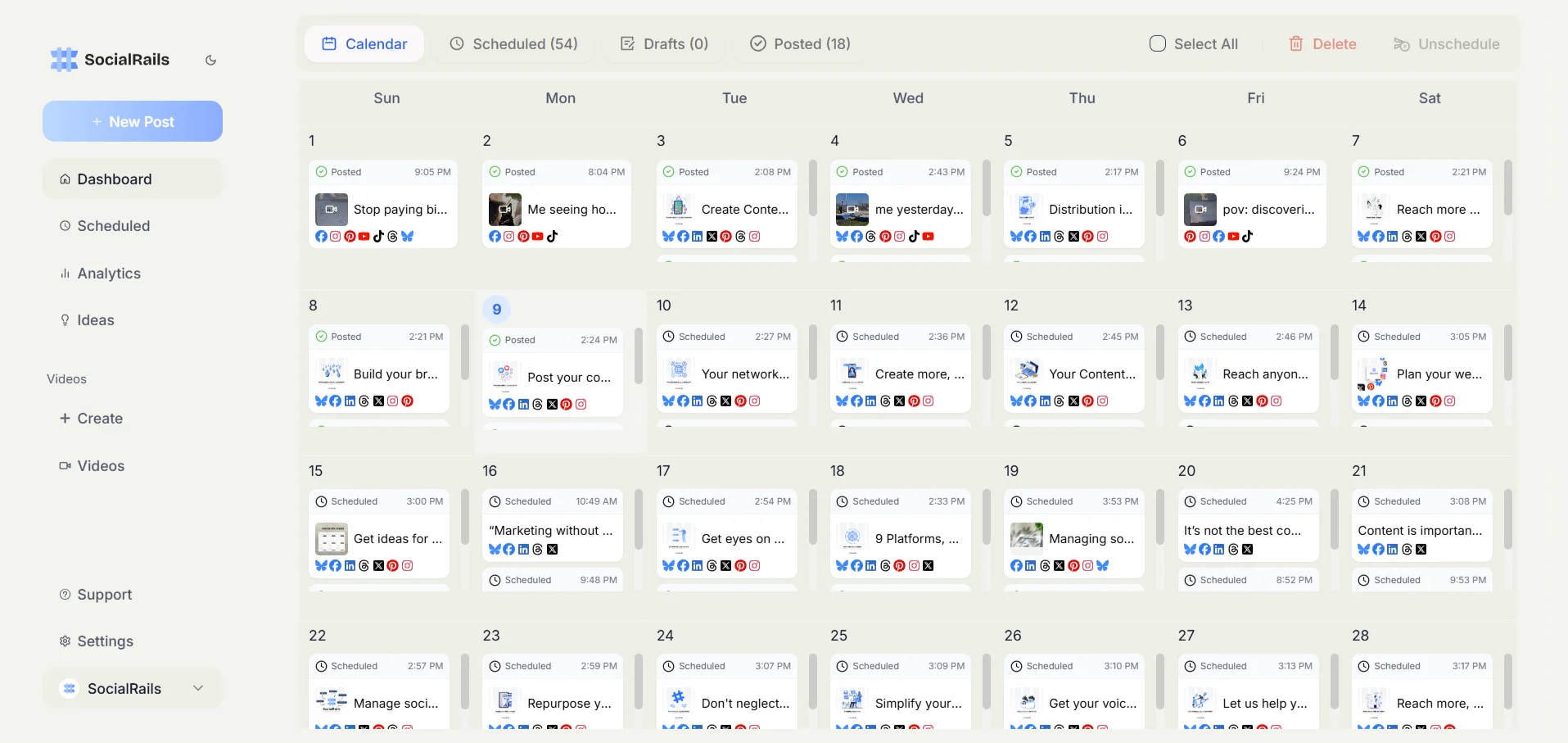
A 360 campaign means reaching your audience from all angles:
- Social media, organic posts, stories, reels, paid social
- Email, nurture sequences and announcements
- Paid media, search ads, display, retargeting
- Content, blog posts, videos, podcasts
- PR, press releases, media coverage
- In-person, events, retail, out-of-home advertising
Why 360 Campaigns Work
Consumers typically interact with a brand across multiple touchpoints before making a purchase decision. A 360 campaign makes sure you show up at every step:
Consistency, the same message reinforced everywhere builds trust and recall.
Reach, different audience segments prefer different channels. 360 covers them all.
Reinforcement, seeing a message on Instagram, then in email, then on Google builds familiarity and drives action.
Attribution clarity, when all channels push the same campaign, you can measure total impact rather than siloed channel performance.
What's the main advantage of a 360 campaign over a traditional 1-2 channel campaign?
360 Campaign vs Traditional Campaign
How to Build a 360 Marketing Campaign
1. Define One Clear Objective
Every channel should drive toward the same goal: a product launch, brand awareness push, seasonal promotion, or lead generation target.
2. Know Your Audience Across Channels
Map where your audience spends time. A B2B audience may be on LinkedIn and email. A Gen Z audience may be on TikTok and YouTube.
3. Create a Core Message
Develop one campaign theme that adapts to each format without losing its essence.
Example: Nike's "Just Do It" translates to a 30-second TV spot, a one-line Instagram caption, a billboard, and a hashtag challenge, all instantly recognizable.
4. Adapt Creative by Channel
The message stays consistent but the format changes:
- Instagram, visual-first carousel or reel
- LinkedIn, data-backed thought leadership post
- Email, longer narrative with a direct CTA
- Paid search, short, benefit-driven ad copy
- In-store, point-of-purchase displays
5. Coordinate Timing
Launch across all channels simultaneously or in a planned sequence. Create a content calendar that maps every touchpoint.
6. Measure the Full Picture
Track cross-channel metrics:
- Total reach and frequency across all channels
- Assisted conversions (how channels work together)
- Brand lift surveys
- Social media ROI alongside paid media ROI
What should every 360 campaign start with?
360 Campaign Examples
Coca-Cola "Share a Coke", personalized bottles (in-store), social media sharing (#ShareACoke), TV commercials, interactive website, and PR coverage. Every touchpoint reinforced the same personal connection theme.
Spotify Wrapped, in-app personalized stats, shareable social media graphics, out-of-home billboards with user data, email notifications, and PR buzz. One concept across every channel.
Apple Product Launches, keynote events, website updates, social media teasers, email announcements, retail store displays, and media partnerships all launch simultaneously.
Common Mistakes
- Inconsistent messaging across channels confuses the audience
- Launching on too many channels without the resources to maintain quality
- Siloed teams creating different campaigns for each channel
- No measurement framework to track cross-channel performance
- Cookie-cutter content that doesn't adapt to each platform's format
Conclusion
A 360 marketing campaign is a powerful way to build brand awareness and drive action. By surrounding your audience with a consistent message across every channel, you multiply the impact of each individual touchpoint. Start with one clear objective, one core message, and adapt it to wherever your audience already is.
Related Concepts
- Social Media Strategy, planning your social channel approach
- Content Calendar, coordinating content across channels
- Cross-Platform Content, adapting content for each platform
- Social Media ROI, measuring campaign effectiveness
Plan your next campaign with our content calendar generator, marketing plan generator, and campaign URL builder.