
What Is a Target Demographic?
A target demographic is the specific group of people most likely to buy your product or service, defined by measurable characteristics like age, gender, income, education, location, and occupation.
It answers: "Who are we selling to?" with data, not guesses.
Example: A luxury skincare brand's target demographic might be women aged 30-55, household income $100K+, living in urban areas, college-educated.
Create content, post everywhere
Create captions, images, and videos with AI. Schedule to 9 platforms in seconds.
Start your free trial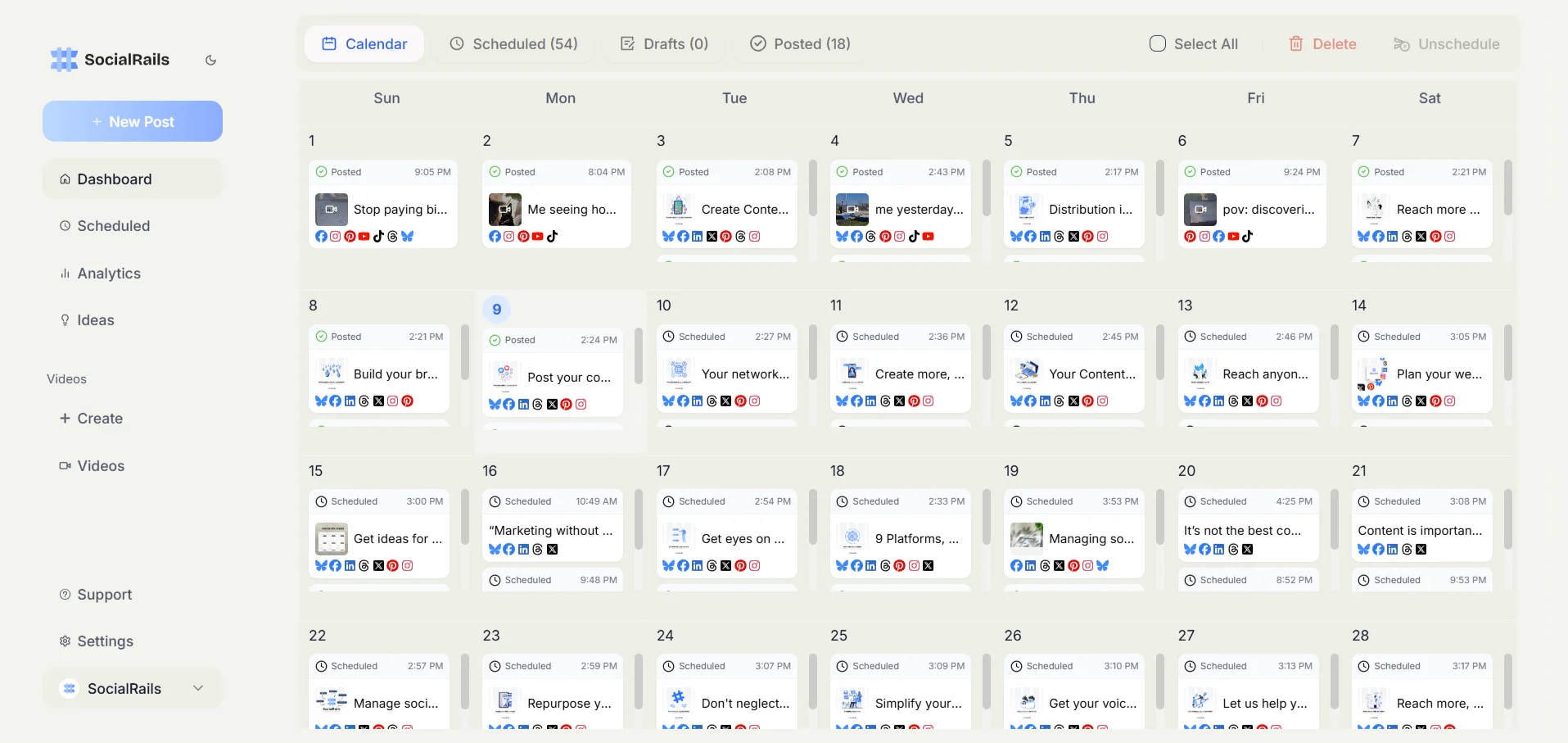
What's the difference between a target demographic and a target audience?
💡 Tip: Think carefully before selecting your answer!
Key Demographic Factors
How to Identify Your Target Demographic
1. Analyze Current Customers
Look at who already buys from you:
- CRM data (age, location, company size)
- Google Analytics demographics
- Social media audience insights
- Purchase history patterns
2. Use Platform Analytics
Each platform provides demographic data about your followers:
- Facebook/Instagram: Audience Insights → age, gender, location
- LinkedIn: Follower demographics → job title, industry, seniority
- YouTube: Channel analytics → age, gender, geography
- Google Analytics: User demographics → age, gender, interests
3. Research Your Market
- Industry reports and census data
- Competitor audience analysis
- Survey your existing customers
- Use your own platform analytics, which already report who is engaging
4. Create Demographic Profiles
Combine your data into profiles:
Profile example:
Primary demographic: Women 25-40, urban, household income $60-120K, college-educated, interested in health/wellness, active on Instagram and TikTok.
Demographics vs. Psychographics
Best practice: Use demographics for targeting, psychographics for messaging. Target the right people AND speak to their motivations.
Using Demographics in Marketing
Paid advertising:
- All ad platforms (Google, Meta, LinkedIn) allow demographic targeting
- Layer demographics with interests and behaviors
- See our Facebook target audience guide for detailed walkthrough
Content strategy:
- Match content format to demographic preferences (Gen Z → short video, Boomers → email/blog)
- Adjust reading level and complexity to education level
- Use culturally relevant examples and references
Product development:
- Design features for your core demographic's needs
- Price according to income level
- Package and position to match demographic expectations
Social media:
- Choose platforms where your demographic spends time
- Post at times when your demographic is active
- Use demographics data from our social media demographics guide
Common Mistakes
- Targeting too broadly. "Everyone 18-65" isn't a target demographic. Narrow down.
- Relying on assumptions. Use data, not gut feeling. Your actual customers may surprise you.
- Ignoring secondary demographics. Your primary and secondary demographics may need different messaging.
- Static targeting. Demographics shift. Review quarterly and adjust.
- Demographics only. Don't ignore psychographics and behavioral data. The most effective targeting combines all three.
A fitness app finds that their ads target women 18-35, but their actual paying customers are mostly men 25-45. What should they do?
💡 Tip: Think carefully before selecting your answer!
Once you've identified your target demographic, use list segmentation to send different messages to each group. Demographics also feed your demand generation strategy, because you need to know who you're building awareness for. For B2B, defining your ideal customer profile (ICP) takes demographics further by adding firmographic data like company size and industry.