
Can You Make Money on Pinterest? 6 Methods That Actually Still Work in 2026

"Can you make money on Pinterest?"
Short answer: Yes, but not by getting paid by Pinterest.
Pinterest is not YouTube. There is no Partner Program, no ad-revenue share, and as of 2026 no general creator payment scheme of any kind. What Pinterest gives you is search traffic with unusually high purchase intent and an unusually long shelf life. You convert that traffic somewhere else.
Two things most guides on this topic still get wrong, including an earlier version of this one:
- Pinterest Creator Rewards is gone. It paid creators for themed Idea Pins and shut down on 30 November 2022. Guides still telling you to build toward an invitation are describing a program that has not existed for nearly four years.
- Idea Pins are gone too. Pinterest folded them into a single unified Pin format from August 2023. That is good news, covered below: the merged format takes external links, which Idea Pins never did.
This guide covers the six routes that still exist, with the arithmetic shown so you can put your own numbers in rather than trusting anyone's income screenshot.
Create content, post everywhere
Create captions, images, and videos with AI. Schedule to 9 platforms in seconds.
Start your free trial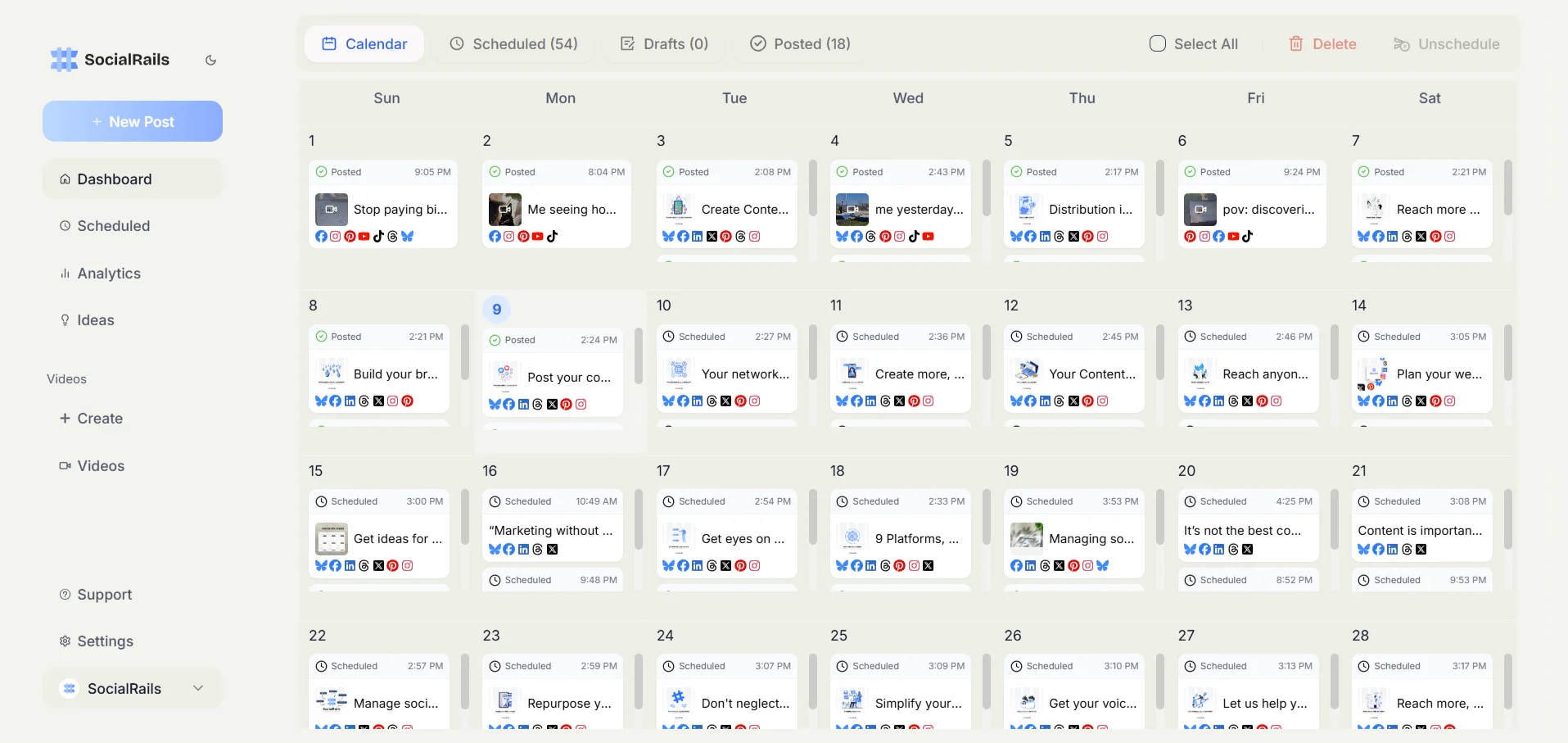
Can You Monetize Pinterest? The Real Answer
Yes, Pinterest can be monetized, but not by Pinterest. There is no exception to that in 2026.
Instead, you monetize through Pinterest by:
- Driving traffic to revenue-generating destinations
- Promoting affiliate products
- Selling your own products/services
- Working with brands
- Building email lists for long-term value
Think of Pinterest as a traffic engine, not a payment platform.
Why Pinterest Is Different from Other Social Platforms
Platform Comparison:
Pinterest's advantage is the flip side of that. YouTube's Partner Program needs 1,000 subscribers and 4,000 watch hours before you see a cent. Pinterest has no threshold to clear because there is no payment to unlock. Traffic is available to a brand new account, since most Pinterest distribution comes from search rather than from followers.
Its disadvantage is that you need somewhere to send people. Every method below except sponsored content depends on a destination you control.
Pinterest Monetization Requirements
Minimum Requirements:
- Pinterest Business Account (free)
- Verified website (for most methods)
- Compliant content (no spam, no prohibited products)
- Age 18+ (for affiliate programs)
No follower minimum required for most monetization methods.
6 Ways to Make Money on Pinterest That Still Work
Method 1: Affiliate Marketing
How It Works:
- Promote products with unique affiliate links
- Earn commission when users purchase
- Commission: 3-50% depending on program
Setup Difficulty: Easy Time to First Dollar: 30-90 days Passive Income Potential: High (pins work for months/years)
Best Affiliate Programs for Pinterest:
- Amazon Associates, rates vary by product category and are at the low end for most
- ShareASale, a network hosting many individual merchant programs at their own rates
- LTK, formerly rewardStyle, focused on fashion and lifestyle
- Etsy's affiliate program, run through an affiliate network
Check the current rate on the program's own page before you build a strategy around it. Affiliate commission rates change without notice and are the single most commonly out-of-date number in guides like this one. Amazon in particular has cut category rates repeatedly.
Example arithmetic, not a forecast:
- 10,000 monthly outbound clicks
- 2% of those convert = 200 sales
- $5 average commission
- = $1,000/month
Test that 2% against your own data before believing it. It is a plausible figure for warm, high-intent traffic to a well-matched product, and an optimistic one for cold Pinterest clicks. Halve it and the same funnel makes $500. The structure of the calculation is the useful part; the inputs have to be yours.
Pros:
- ✅ Start immediately (no approval needed)
- ✅ Wide product selection
- ✅ Passive income (evergreen pins)
- ✅ Compliant with Pinterest policies
Cons:
- ❌ Requires consistent content creation
- ❌ Income depends on traffic
- ❌ Must disclose affiliate relationships
Complete Pinterest affiliate marketing guide →
Method 2: Selling Your Own Digital Products
What You Can Sell:
- Printables (planners, checklists, wall art)
- Templates (social media, Canva, Notion)
- E-books and guides
- Online courses
- Stock photos
- Fonts and graphics
How It Works:
- Create digital products once
- Sell unlimited copies
- Pinterest pins drive traffic to sales page
- Keep most of each sale, though "100% profit" claims ignore platform and payment fees
Setup Difficulty: Medium (requires product creation) Time to First Dollar: 60-120 days Passive Income Potential: Very High
Selling Platforms:
- Etsy: a $0.20 listing fee per listing, renewing every four months, plus a 6.5% transaction fee, plus payment processing on top. Materially more than the flat 4% this page used to quote.
- Gumroad: a single free plan funded by a flat transaction fee of roughly 10%. The old "free plan versus paid plan" tier structure no longer exists. Sources differ on whether a small fixed per-transaction amount is added, so check Gumroad's own fees page for the exact figure.
- Teachable, for courses: paid monthly plans plus transaction fees on lower tiers. Pricing changes often, so take it from Teachable.
- Your own website: no platform cut, but you still pay a payment processor, typically around 3% plus a fixed amount.
Example: printable planner, with the fees actually subtracted
- Product: monthly planner PDF at $12
- Pinterest traffic: 5,000 monthly clicks, 1.5% convert
- Sales: 75/month
- Gross revenue: $900/month
- On Etsy: 6.5% transaction fee plus roughly 3% and a fixed amount in payment processing, plus listing fees, so budget for something closer to $780 net
- On Gumroad at a flat 10%: about $810 net
The gap between $900 and $780 is the reason this page no longer claims 95-100% margins. Digital products do have excellent margins compared with physical goods. They are not fee-free.
Pros:
- ✅ High margins, though not the 95%+ often claimed once fees are counted
- ✅ Unlimited scalability
- ✅ Truly passive once created
- ✅ You own the customer relationship
Cons:
- ❌ Requires upfront creation time
- ❌ Need sales page/platform
- ❌ Customer support responsibility
Method 3: Sponsored Content and Brand Partnerships
How It Works:
- Brands pay you to create pins featuring their products
- You promote to your Pinterest audience
- Payment: Flat fee or performance-based
Setup Difficulty: Hard (requires established audience) Time to First Dollar: 6-12 months Passive Income Potential: Low (active work required)
Brand Partnership Types:
1. Sponsored Pins:
- Create pin featuring brand product
- Payment: $100-$5,000 per pin (varies by follower count)
2. Board Takeovers:
- Brand gets to post on your board for set period
- Payment: $500-$3,000 per month
3. Content Creation:
- Create pins or boards for brands. (Not Idea Pins: that format was merged into standard Pins in 2023.)
- Payment varies widely by scope and audience size
Requirements:
- 10K+ followers (typical minimum)
- High engagement rate (3%+)
- Established niche authority
- Professional media kit
Where to Find Brand Deals:
- Influencer marketplaces such as Aspire
- LTK, formerly rewardStyle, for fashion and lifestyle
- Direct outreach, which is how most small-creator deals actually happen
- Influencer agencies, once you are large enough for them to want you
Example Rates by Follower Count:
Pros:
- ✅ High per-project earnings
- ✅ Build brand relationships
- ✅ Free products often included
Cons:
- ❌ Requires large, engaged audience
- ❌ Not passive (active work per campaign)
- ❌ Inconsistent income
Method 4: Driving Traffic to an Ad-Monetized Blog
How It Works:
- Pinterest drives traffic to your blog
- Blog displays ads (Google AdSense, Mediavine, AdThrive)
- You earn per impression/click on ads
Setup Difficulty: Medium Time to First Dollar: 90-180 days Passive Income Potential: High
Ad Network Requirements, corrected for 2026. This section named a network that no longer exists under that name and quoted a threshold that has since dropped by 75%.
Google AdSense:
- No traffic minimum
- Lowest rates of the three, but it is where nearly everyone starts
Journey by Mediavine:
- 1,000 monthly sessions. This tier did not exist when this page was written and it changes the whole method: ad revenue is no longer something you wait a year for.
- For sites below Mediavine's main thresholds
Mediavine:
- 50,000 monthly sessions, or $5,000 in annual ad revenue. The revenue route is the part most guides miss, and a small high-value site can qualify on it without the traffic.
Raptive, formerly AdThrive:
- AdThrive rebranded to Raptive in April 2023, alongside CafeMedia. If a guide still calls it AdThrive, that guide has not been checked in three years.
- 25,000 monthly pageviews, cut from 100,000 in October 2025. Note the unit is pageviews, not sessions; this page previously had both the name and the unit wrong.
- Sites in the 25,000 to 99,999 band need at least 50% of traffic from the US, UK, Canada, Australia or New Zealand. Above 100,000 pageviews that drops to 40%.
On RPM figures: every network's per-thousand rate swings hard by niche, season and audience country, and finance or home niches in Q4 can earn multiples of what a general-interest site earns in January. Anyone quoting you a single number is quoting an average you will not experience. Get the estimate from the network during application.
Example arithmetic:
- Pinterest traffic: 50,000 monthly visitors
- Assume a $25 RPM
- = $1,250/month
Put your own RPM in that formula once you have one. The formula is
(monthly pageviews / 1,000) x RPM, and it is the only part of this that is reliable.
Pros:
- ✅ Truly passive once set up
- ✅ No selling required
- ✅ Complements other monetization methods
- ✅ Higher RPM for premium networks
Cons:
- ❌ Requires significant traffic
- ❌ Ad networks take 25-30% cut
- ❌ User experience may suffer (ads)
Strategy: Combine blog ads with affiliate links for 2x monetization from same traffic.
Method 5: Email List Building, Then Product Sales
How It Works:
- Pinterest drives traffic to lead magnet (free download)
- Visitors opt in to email list
- Nurture subscribers via email
- Sell products/services to that list
Setup Difficulty: Medium-Hard Time to First Dollar: 90-180 days Passive Income Potential: Very High (automated funnels)
The Email Monetization Funnel:
1. Pinterest Pin: "Download my free Social Media Content Calendar Template"
2. Landing Page: Enter email to download → subscriber added to list
3. Welcome Series (7 days):
- Email 1: Deliver freebie
- Email 2-3: Valuable tips
- Email 4-5: Case studies
- Email 6: Product introduction
- Email 7: Special offer
4. Weekly Emails: Mix of value + product promotion
Example arithmetic:
- Monthly Pinterest traffic: 10,000
- Email opt-in rate: 10% = 1,000 subscribers
- Product: a $97 course
- Email conversion rate: 2%
- Sales: 20/month
- = $1,940
This page previously claimed a 20-40% conversion rate on an email list in one line and 2% in the calculation four lines below it. The 2% is the realistic one. A 20-40% purchase rate on a cold list is not a benchmark anyone hits; if you see it quoted, it is describing something else, usually an open rate or a launch to a small, hand-nurtured list.
Pros:
- ✅ You own the audience (not platform-dependent)
- ✅ Highest lifetime value
- ✅ Can sell multiple products over time
- ✅ Deep relationship building
Cons:
- ❌ Requires a paid email platform once your list outgrows a free tier
- ❌ Need lead magnet creation
- ❌ Email writing workload
- ❌ Takes longer to see results
Recommended Email Platforms:
- Kit, which is what ConvertKit renamed itself to in October 2024
- MailerLite, which has a free tier for small lists
- ActiveCampaign
All three price by subscriber count, so any figure quoted here would be wrong for most readers and out of date within months. Check the current tier for your list size on the vendor's own pricing page.
Method 6: What Pinterest Itself Pays (Almost Nothing)
This section used to describe the Pinterest Creator Rewards Program as live, with an earnings table and a plan for getting invited. That was wrong, and badly so.
Creator Rewards shut down on 30 November 2022. It paid creators for making themed Idea Pins against monthly prompts from Pinterest. Pinterest paid a one-time bonus to participants who had hit a reward goal in August, September or October 2022, and that was the end of it. Any guide telling you to build toward an invitation, including this page until August 2026, is describing something that stopped existing nearly four years ago.
Idea Pins are gone as well. From August 2023 Pinterest merged Idea Pins and standard Pins into a single format. Pinterest's own announcement put it as bringing "the best of standard Pins and Idea Pins together in a single powerhouse Pin format", and existing multi-page Idea Pins convert to video.
That merge is genuinely good news for monetization, and it is the part worth acting on. Idea Pins could not carry an external link, which made them close to useless for anything on this page. The unified Pin format supports external links. The format Pinterest wants you to use is now the format that can send people to your shop, your post or your affiliate link.
So is there any direct Pinterest money?
Not as a programme you can apply to and rely on. Pinterest has run application-based creator funds offering cash grants, ad credits and mentorship to selected cohorts, typically focused on underrepresented creators in categories like fashion, beauty, food and lifestyle. These come and go, are competitive, and are grants rather than an income stream.
Plan your Pinterest income as if Pinterest will pay you nothing, because that is the realistic case. If a fund opens in your category, treat it as a bonus. Everything else on this page works without it.
Method 6 continued: Selling Physical Products (E-Commerce)
How It Works:
- Drive Pinterest traffic to online store
- Users purchase physical products
- You handle fulfillment (or use dropshipping/POD)
Setup Difficulty: Hard Time to First Dollar: 90-180 days Passive Income Potential: Low-Medium (depending on model)
E-Commerce Models:
1. Dropshipping:
- Sell products without holding inventory
- Supplier ships directly to customer
- Profit margin: 10-30%
2. Print-on-Demand:
- Sell custom designs on products (shirts, mugs, etc.)
- Products printed when ordered
- Profit margin: 20-40%
- Platforms: Printify, Printful, Redbubble
3. Handmade Products:
- Create and sell your own products
- Sell via Etsy or own website
- Profit margin: 40-80%
4. Traditional E-Commerce:
- Buy inventory wholesale
- Store and ship products yourself
- Profit margin: 30-60%
Best Product Categories for Pinterest:
- Home décor and organization
- Fashion and jewelry
- Wedding and party supplies
- Craft supplies
- Kitchen gadgets
- Beauty products
Example: Print-on-Demand T-Shirt Business
- Product: Graphic tees ($29 each)
- Production cost: $12
- Profit per sale: $17
- Pinterest traffic: 8,000 clicks/month
- Conversion rate: 1.5%
- Sales: 120/month
- Monthly profit: $2,040
Pros:
- ✅ Highest earning potential
- ✅ Build real brand equity
- ✅ Multiple traffic sources possible
- ✅ Scalable to six/seven figures
Cons:
- ❌ Requires inventory management (most models)
- ❌ Customer service workload
- ❌ Higher startup costs
- ❌ Complex logistics
Complete guide to selling on Pinterest →
How Much Money Can You Make on Pinterest?
What the Timeline Actually Looks Like
Nobody can tell you what you will earn, and the tables that used to sit here pretended otherwise. They ran from "$150-$1,000/month" for beginners to "$12,000-$62,000/month" for advanced, broken down per method, sourced to nothing. Ranges that wide are not forecasts. They are a way of being unfalsifiable.
What is worth saying is the shape, which is consistent across almost everyone who does this and is the genuinely useful part:
Months 1-3. Expect roughly nothing. Pins take months to accumulate impressions, so this period is about volume and learning what your audience saves. Judging the strategy now is judging it before it has run.
Months 4-6. First revenue, usually small and usually affiliate, because it needs no product. The signal to watch is not the amount, it is which pins drove it. One converting pin is worth more information than a hundred that got impressions.
Months 7-12. The compounding starts, if it is going to. Older pins are still working while new ones land, so traffic rises without a matching rise in effort. This is where a second stream, usually an email list or a first product, is worth adding.
Year 2 and beyond. Most Pinterest income is made here rather than in year one. The people who get there are mostly the ones who did not evaluate the whole thing at month four.
Two things that genuinely predict outcomes, and are more useful than any income table:
- Whether you own the destination. Traffic to your own site can be monetised three ways at once and survives a Pinterest algorithm change. Traffic to a marketplace cannot and does not.
- Niche commercial value. The same 10,000 clicks are worth very different amounts in home decor versus finance versus hobby crafts. This dwarfs almost everything else, and it is decided when you choose the niche, not later.
Why This Page No Longer Has Case Studies
It used to carry three: a food blogger on $8,000/month, a printables shop on $22,000/month and a fashion affiliate on $15,000/month, each with a follower count, an impressions figure and an itemised income breakdown to the nearest hundred dollars.
Not one of them named a person, a business, a blog or a shop. There was no source, nothing to click, and no way for you or for us to check a single number. Precision without attribution is the signature of an invented example, and made-up income figures are actively harmful on a page about whether to spend a year building something.
What is safe to say instead:
- Pinterest income is normally a stack, not a single stream. The realistic shape is several methods layered on one traffic source, which is the one true thing those case studies were illustrating.
- A blog is usually the hub. Ads, affiliate links and product sales all monetise the same visit, which is why traffic sent to your own site is worth more than traffic sent straight to a marketplace.
- The published figures you can actually verify come from ad networks, because their thresholds and payment terms are public. Everything else in this space is self-reported and unaudited.
If you want real numbers, income reports published by named bloggers with their own domains are a better source than any roundup, including this one. Read them for the shape of the business, and discount the totals.
Common Pinterest Monetization Mistakes
Mistake #1: Starting with Too Many Income Streams
Why It Fails: Dilutes focus, nothing reaches critical mass.
Solution: Pick ONE primary method for first 6 months. Master it. Then add second stream.
Recommended Starting Order:
- Affiliate marketing (fastest to revenue)
- Add email list building (month 3)
- Launch digital product (month 6)
- Pursue sponsored posts (month 9+)
Mistake #2: Not Building an Email List
Why It Fails: You don't own Pinterest traffic. Algorithm changes = income disappears.
Solution: Start email list on Day 1. Even if monetizing via affiliates, capture emails.
The "$1 per subscriber per month" rule of thumb is folklore, not data. It circulates without a source and varies by more than an order of magnitude between a hobby list and a list of buyers in a commercial niche. Use it to argue for building a list at all, never to forecast revenue from one.
Mistake #3: Expecting Immediate Results
Why It Fails: Pinterest is a long game. Pins take 3-6 months to reach peak traffic.
Solution: Commit to 12 months minimum before evaluating success. Plan for delayed gratification.
Reality Check: Most Pinterest income is made in Year 2+, not Year 1.
Mistake #4: Creating Only Promotional Content
Why It Fails: Pinterest algorithm penalizes promotional-only accounts.
Solution: 80/20 rule
- 80% valuable, helpful content (builds trust + algorithm favor)
- 20% promotional content (monetization)
Mistake #5: Not Tracking Performance
Why It Fails: Can't optimize what you don't measure.
Solution: Track weekly:
- Pinterest impressions and clicks
- Affiliate earnings per program
- Product sales
- Email subscribers gained
- Top-performing pins
Optimize monthly: Double down on what works, cut what doesn't.
How to Get Started Making Money on Pinterest
Week 1: Foundation Setup
Day 1-2: Account Setup
- Create Pinterest Business Account
- Verify your website
- Complete profile optimization
- Choose your monetization niche
Day 3-4: Monetization Prep
- Join 3-5 affiliate programs
- Set up email marketing tool (optional but recommended)
- Create lead magnet (if building email list)
- Install Pinterest Tag on website
Day 5-7: Content Planning
- Research top keywords in your niche
- Create 10-15 boards (keyword-optimized)
- Design 50 pins (mix valuable + promotional)
- Write pin descriptions with SEO keywords
Month 1: Content Creation & Consistency
Weekly Tasks:
- Post 15-25 pins daily (use scheduler)
- Create 20-30 new pin designs weekly
- Engage 15 minutes daily (comments, saves)
- Track analytics weekly
Monetization Actions:
- Create 3-5 affiliate pins daily
- Link to high-quality landing pages
- Test different product promotions
- Monitor which products convert
Month 2-3: Optimization & Scale
Bi-Weekly Tasks:
- Review Pinterest Analytics
- Identify top-performing pins (most clicks)
- Create 10 variations of each winner
- Prune underperforming content
Monetization Actions:
- Increase affiliate product range
- Launch first digital product (if applicable)
- Start email list building
- Test different calls-to-action
Month 4-6: Diversification
Monthly Tasks:
- Add second income stream
- Reach out to 5 brands for partnerships
- Create paid product if selling digital products
- Optimize email funnel
Growth Focus:
- Scale posting to 25-30 daily pins
- Repurpose top-performing content
- Expand into seasonal niches
- Build backlink strategy for SEO
Pinterest Monetization Tools & Resources
Essential Tools
1. Pinterest Scheduler:
- Tailwind
- Later
- SocialRails, from $29/month
Competitor scheduler pricing changes often and varies by plan and billing period, so take those figures from the vendors directly rather than from a guide.
2. Design Tools:
- Canva, which has a free tier and a paid Pro tier
- Pinterest's own built-in Pin editor, free
3. Affiliate Management:
- ThirstyAffiliates (WordPress plugin)
- Pretty Links (link tracking)
- Google Analytics (conversion tracking)
4. Email Marketing:
- Kit (formerly ConvertKit)
- MailerLite
- Flodesk
5. Analytics:
- Pinterest Analytics (free, built-in)
- Google Analytics (free)
- Pinterest Tag Helper (free Chrome extension)
Free Pinterest Resources
Pinterest Business Resources:
- Pinterest Business Hub
- Pinterest Academy (free courses)
- Pinterest Trends (keyword research)
SocialRails Free Tools:
Frequently Asked Questions About Monetizing Pinterest
Can you monetize Pinterest without a website? Yes, but options are limited. You can use direct affiliate links to products (Amazon, Etsy) without a blog. However, having a website significantly increases earning potential through blog ads, email list building, and better conversion rates.
How many followers do you need to monetize Pinterest? Zero. Most monetization methods (affiliate marketing, selling products, blog ads) don't require followers. Pinterest traffic comes primarily from search, not followers. Follower count is close to irrelevant to Pinterest earnings; outbound clicks and the commercial value of what you send people to are what matter.
Does Pinterest pay creators like YouTube? No. Pinterest has no ad-revenue share and no general creator payment programme. The Creator Rewards Program that many guides still describe shut down on 30 November 2022. Pinterest has since run occasional application-based creator funds offering grants and ad credits to selected cohorts, but those are competitive, temporary and not an income stream. Plan on earning through affiliate links, your own products, or traffic to a site you monetise.
What's the fastest way to make money on Pinterest? Affiliate marketing. You can start immediately, need no product creation, and see first earnings within 30-90 days. Focus on high-commission programs (10%+) and products with strong purchase intent.
Can you sell on Pinterest without Etsy or Shopify? Yes. You can link directly to affiliate products, use Gumroad for digital products, or build a simple landing page with Buy buttons (Stripe, PayPal). However, platforms like Etsy and Shopify simplify the process and build trust.
Is Pinterest better than Instagram for making money? For most niches, yes, for three structural reasons: pins keep earning impressions for months rather than hours, distribution comes from search rather than followers so a small account can still get traffic, and pins carry direct outbound links where an Instagram feed post cannot. The widely quoted "89% of Pinners use Pinterest for shopping" is worth handling carefully: the real figure is 89% of weekly Pinners using it for inspiration in their path to purchase, from a GfK study commissioned by Pinterest in November 2018, restricted to people already using Pinterest in that category. It is vendor-commissioned, narrowly scoped and now eight years old.
How long does it take to make $1,000/month on Pinterest? There is no honest average, because nobody publishes the failure rate. What can be said is that Pinterest income compounds slowly: pins take months to accumulate impressions, so meaningful revenue in the first six months is unusual and most of it arrives in year two. Niche commercial value matters more than effort here. The same traffic volume is worth several times more in a high-value niche than in a hobby one.
Do you need a business license to monetize Pinterest? Not to start. Once you're earning significant income ($5,000+/year), check your local requirements. Most solo creators operate as sole proprietors initially, then form an LLC for liability protection.
Can you monetize Pinterest in any niche? Most niches work, but visual, aspirational niches perform best: home décor, fashion, food, DIY, wellness, travel, weddings. B2B and technical niches have lower traffic but higher conversion rates.
What's the highest-earning Pinterest niche? Travel, finance and home tend to carry the highest commercial value per visitor, and your own digital products keep the largest share of each sale since there is no supplier cost, though not the 100% sometimes claimed once platform and payment fees are taken. Be wary of any ranking of "top earning niches", including this one: it reflects advertiser spend and commission rates, not your ability to compete in a crowded category.
Start Monetizing Pinterest Today
Yes, you can make money on Pinterest, and it's one of the most beginner-friendly platforms for building sustainable, passive income streams.
Your action plan:
This Week:
- Create Pinterest Business Account
- Choose ONE monetization method (recommend: affiliate marketing)
- Join 3 affiliate programs
- Create 30 pins (24 valuable + 6 affiliate)
This Month:
- Post 15-25 pins daily
- Track what gets clicks and saves
- Optimize based on data
- Expect your first sales to be small, and pay attention to which pin drove them
This Quarter:
- Add second income stream (email list or digital product)
- Scale to 25-30 pins daily
- Judge the strategy on clicks and conversion rate, not on the revenue figure yet
This Year:
- Diversify across 3-4 income streams
- Build systems and automation
- Expect the compounding to show up here rather than in the first six months
The best time to start was 6 months ago. The second-best time is today.
Ready to start? Try SocialRails for automated Pinterest scheduling, AI content suggestions, and analytics to help you monetize faster, starting at $29/month.
Related Guides:
- Pinterest Affiliate Marketing Complete Guide, which covers the merged Pin format and linking rules in more depth
- How to Read Pinterest Analytics, for finding which pins actually drive outbound clicks
- Best Times to Post on Pinterest
- What Are Pinterest Impressions (And How to Increase Them)
Was this article helpful?
Let us know what you think!