
How to Build Your Network on LinkedIn: Complete Guide for 2026

A strong LinkedIn network opens doors to job opportunities, business partnerships, and industry insights. This guide shows you exactly how to build meaningful connections that advance your career.
Quick start: Use our free LinkedIn Connection Message Generator to craft personalized outreach messages.
Why Your LinkedIn Network Matters
The Power of LinkedIn Connections
What Quality Connections Bring
- Job referrals: Many positions are filled through professional networks
- Business leads: Direct access to decision-makers
- Industry insights: Real-time market intelligence
- Mentorship: Learn from experienced professionals
- Collaboration: Partnership opportunities
Create content, post everywhere
Create captions, images, and videos with AI. Schedule to 9 platforms in seconds.
Start your free trial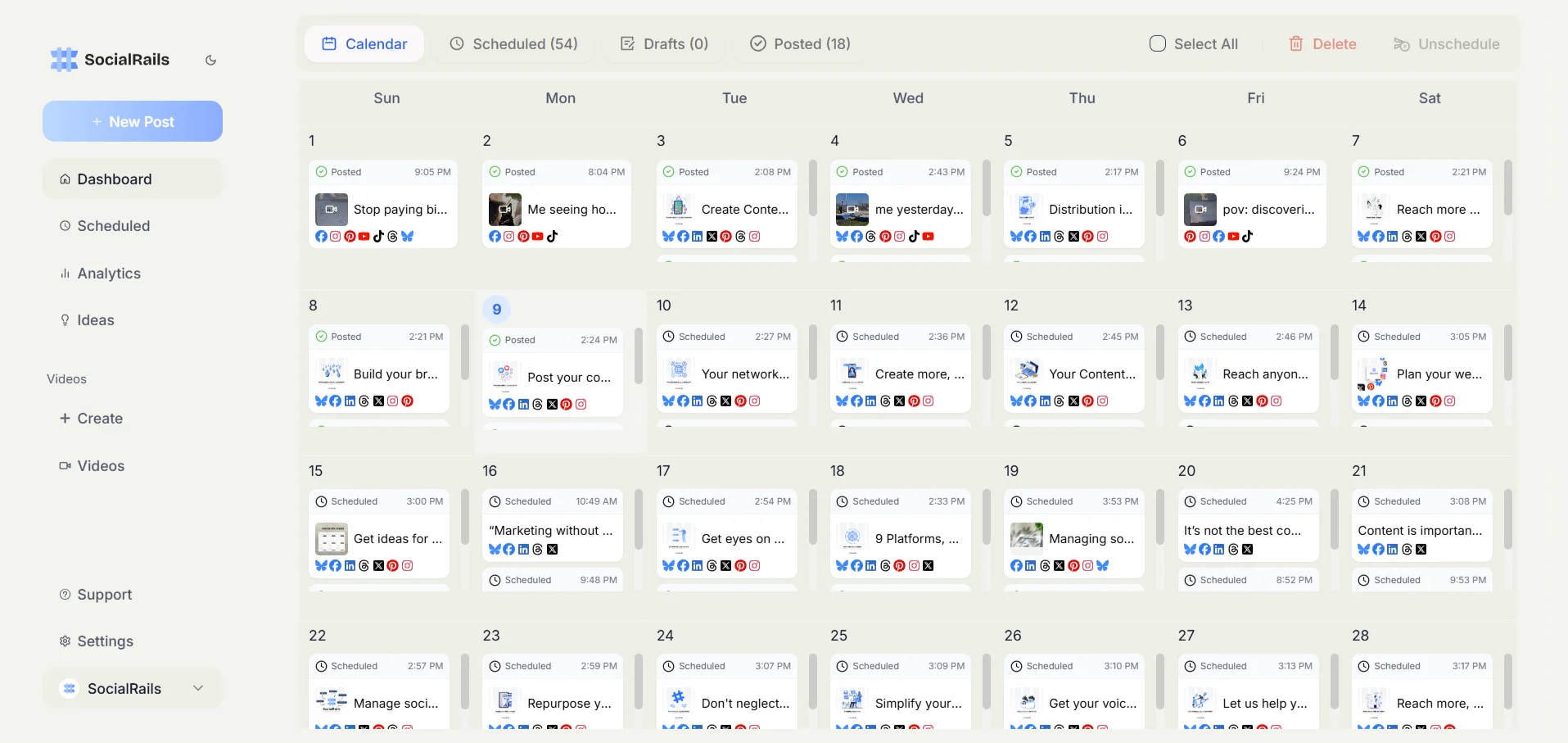
Step 1: Optimize Your Profile First
Before sending connection requests, make your profile worth connecting with.
Profile Essentials Checklist
- Professional headshot (significantly increases profile views)
- Compelling headline beyond just your job title
- Summary that shows your value
- Complete work experience with achievements
- Relevant skills (aim for 50+)
- At least 3 recommendations
Headlines That Attract Connections
Weak: "Marketing Manager at ABC Company"
Strong: "Marketing Manager | Helping B2B SaaS companies increase leads by 40% | Content Strategy Expert"
Your headline should answer: "Why should someone connect with me?"
Step 2: Build Your Foundation Network
What's the best way to start building your LinkedIn network?
Start With People You Know
- Colleagues: Current and former coworkers
- Classmates: University and course connections
- Industry contacts: Conference and event connections
- Service providers: Accountants, lawyers, consultants
- Vendors and partners: Business relationships
Import Your Contacts
LinkedIn lets you import contacts from:
- Email accounts (Gmail, Outlook)
- Phone contacts
- Other social networks
Tip: Review imported suggestions carefully. Only connect with people you actually know or want to build relationships with.
Step 3: Expand Strategically
Find the Right People to Connect With
By Role:
- Decision-makers in your target companies
- Industry thought leaders
- Potential clients or partners
- Recruiters in your field
- Peers at similar companies
By Industry:
- Companies you want to work with
- Competitors (for market insights)
- Adjacent industries
- Professional associations
Use LinkedIn Search Effectively
- Boolean search: Use AND, OR, NOT operators
- Filter by: Location, industry, company, school
- Save searches: Get alerts for new profiles
- Second-degree connections: Use mutual contacts
Learn more about how to search for people on LinkedIn with advanced techniques.
Step 4: Write Connection Requests That Get Accepted
The Anatomy of a Perfect Request
Bad Request:
"I'd like to add you to my professional network."
Good Request:
"Hi Sarah, I enjoyed your recent post about B2B content strategy. I'm also working in content marketing and would love to connect and exchange insights. - John"
Connection Request Formula
- Personalization: Reference something specific
- Common ground: Shared interests, experiences, or connections
- Clear intent: Why you want to connect
- Professional tone: Keep it concise (300 character limit)
Templates That Work
For industry peers:
"Hi [Name], I noticed we're both in [industry]. I'm impressed by [specific thing]. Would love to connect and learn from each other's experiences."
For potential clients:
"Hi [Name], I came across [Company] and was interested in your approach to [topic]. I help companies with [your service] and thought we might have some common interests."
For thought leaders:
"Hi [Name], Your post about [topic] really resonated with me. I've been implementing similar strategies at [your company]. Would love to follow your insights more closely."
For mutual connections:
"Hi [Name], I see we both know [mutual connection]. [He/She] speaks highly of your work in [field]. I'd love to connect."
Step 5: Engage Before and After Connecting
When should you pitch your product/service after someone accepts your connection request?
Before Sending Requests
- Like and comment on their posts
- Share their content with thoughtful additions
- Engage consistently for 1-2 weeks
- Then send your connection request
After They Accept
- Send a thank you message (within 24 hours)
- Don't pitch immediately (relationship first)
- Continue engaging with their content
- Look for ways to help them
Follow-Up Message Template
"Thanks for connecting, [Name]! I'm looking forward to following your updates. If there's ever anything I can help with regarding [your expertise], feel free to reach out."
Step 6: Grow Through Content
Content That Attracts Connections
- Share industry insights: Original perspectives
- Celebrate others: Tag people and companies
- Tell stories: Personal experiences and lessons
- Ask questions: Encourage engagement
- Use hashtags: 3-5 relevant hashtags per post
Posting Strategy
Find more ideas with our LinkedIn Content Ideas Generator.
Step 7: Use LinkedIn Features
LinkedIn Groups
- Join 5-10 relevant industry groups
- Participate in discussions weekly
- Share valuable content (not promotional)
- Connect with active members
LinkedIn Events
- Attend virtual and in-person events
- Connect with attendees before and after
- Follow up with personalized messages
- Host your own events to attract connections
LinkedIn Newsletters
- Subscribe to relevant newsletters
- Comment on newsletter posts
- Start your own newsletter to build audience
- Collaborate with other newsletter creators
Step 8: Maintain Your Network
Weekly Networking Habits
- Monday: Send 5-10 connection requests
- Tuesday: Comment on 10 posts from connections
- Wednesday: Share valuable content
- Thursday: Send 3-5 follow-up messages
- Friday: Review and accept pending requests
Nurture Existing Connections
- Congratulate on work anniversaries
- Celebrate promotions and achievements
- Share relevant articles with specific people
- Schedule periodic check-ins
- Offer introductions to mutual benefit
Connection Request Limits
Stay within LinkedIn's guidelines:
Learn more about LinkedIn connection limits to avoid restrictions.
Networking Mistakes to Avoid
Which connection request is most likely to be accepted?
Don't Do This
- Spam generic requests: Personalize every message
- Pitch immediately: Build relationship first
- Connect and disappear: Stay engaged
- Ignore messages: Respond within 48 hours
- Over-automate: Keep it personal
- Collect connections: Quality over quantity
Red Flags That Get Requests Ignored
- No profile photo
- Generic headline
- Empty or minimal profile
- No personalization in request
- Obviously automated messages
Measure Your Network Growth
Key Metrics to Track
- Connection acceptance rate: Aim for 30%+
- Profile views: Should increase with network
- Post engagement: Measure reach and interactions
- InMail response rate: For premium users
- Opportunities generated: Jobs, leads, partnerships
Monthly Review
- How many new connections did you make?
- How many meaningful conversations?
- What opportunities came from your network?
- Which strategies worked best?
- What will you do differently next month?
Industry-Specific Networking Tips
For Job Seekers
- Connect with recruiters in your field
- Follow hiring managers at target companies
- Engage with company posts
- Use the "Open to Work" feature strategically
For Business Development
- Map decision-makers at target accounts
- Build relationships before pitching
- Share case studies and success stories
- Offer value through insights and introductions
For Thought Leaders
- Connect with other creators in your space
- Collaborate on content and events
- Build a community around your expertise
- Be generous with your knowledge
Tools to Help You Network
Free Resources
- LinkedIn Outreach Message Generator
- LinkedIn Content Ideas Generator
- LinkedIn Growth Strategy Generator
External Resources
- LinkedIn Help Center - Official LinkedIn documentation
- The Muse: How to Network on LinkedIn Like a Pro - Detailed networking strategies
- Novoresume: LinkedIn Networking Tips for 2026 - Updated best practices
Related Guides
Frequently Asked Questions
How many LinkedIn connections should I aim for?
Quality matters more than quantity. However, 500+ connections improves your profile visibility significantly. For business development, aim for 1,000-5,000 relevant connections in your industry.
Should I accept every connection request?
No. Accept requests from people relevant to your goals, industry, or interests. Decline obvious spam, fake profiles, or people completely unrelated to your professional life.
How do I reconnect with old connections?
Send a personalized message referencing how you know them and what you've been up to. Ask about their current work. Offer something valuable like an article or introduction.
Is it okay to connect with competitors?
Yes, if done strategically. Connecting with competitors provides market insights and can lead to partnerships. Keep interactions professional and avoid sharing sensitive information.
How long should I wait before following up on a connection request?
If someone hasn't accepted after 2-3 weeks, they likely won't. Don't send multiple requests to the same person. Instead, engage with their content and try again in a few months.
Start Growing Your LinkedIn Network Today
Use our free LinkedIn Outreach Message Generator to craft personalized connection requests, or try SocialRails to manage and grow your LinkedIn presence.
Was this article helpful?
Let us know what you think!