
Best LinkedIn Hashtags in 2026: 150+ Top Hashtags by Industry (With Strategy)

Quick answer: Use 3-5 relevant hashtags per post, placed at the end, mixing 1-2 broad tags with 2-3 niche ones. LinkedIn removed hashtag following in late 2024, so hashtags no longer drive discovery on their own. They now act as topic signals that help the algorithm (and LinkedIn's 360Brew AI model) categorize and distribute your content, and keyword-rich post copy now matters as much as the tags themselves.
LinkedIn hashtags still work in 2026, but their role has changed. LinkedIn removed the ability to follow hashtags in late 2024 and now uses a 150-billion-parameter AI model called 360Brew to decide who sees your content. Hashtags now function as categorization signals that help the algorithm understand your topic, not as a discovery tool users browse.
This guide covers the best LinkedIn hashtags by industry, how many to use, where to place them, and the strategy that actually drives reach in 2026.
Jump to: Still Work? | How Many | Top Hashtags | By Industry | Job Seekers | Strategy
Create content, post everywhere
Create captions, images, and videos with AI. Schedule to 9 platforms in seconds.
Start your free trial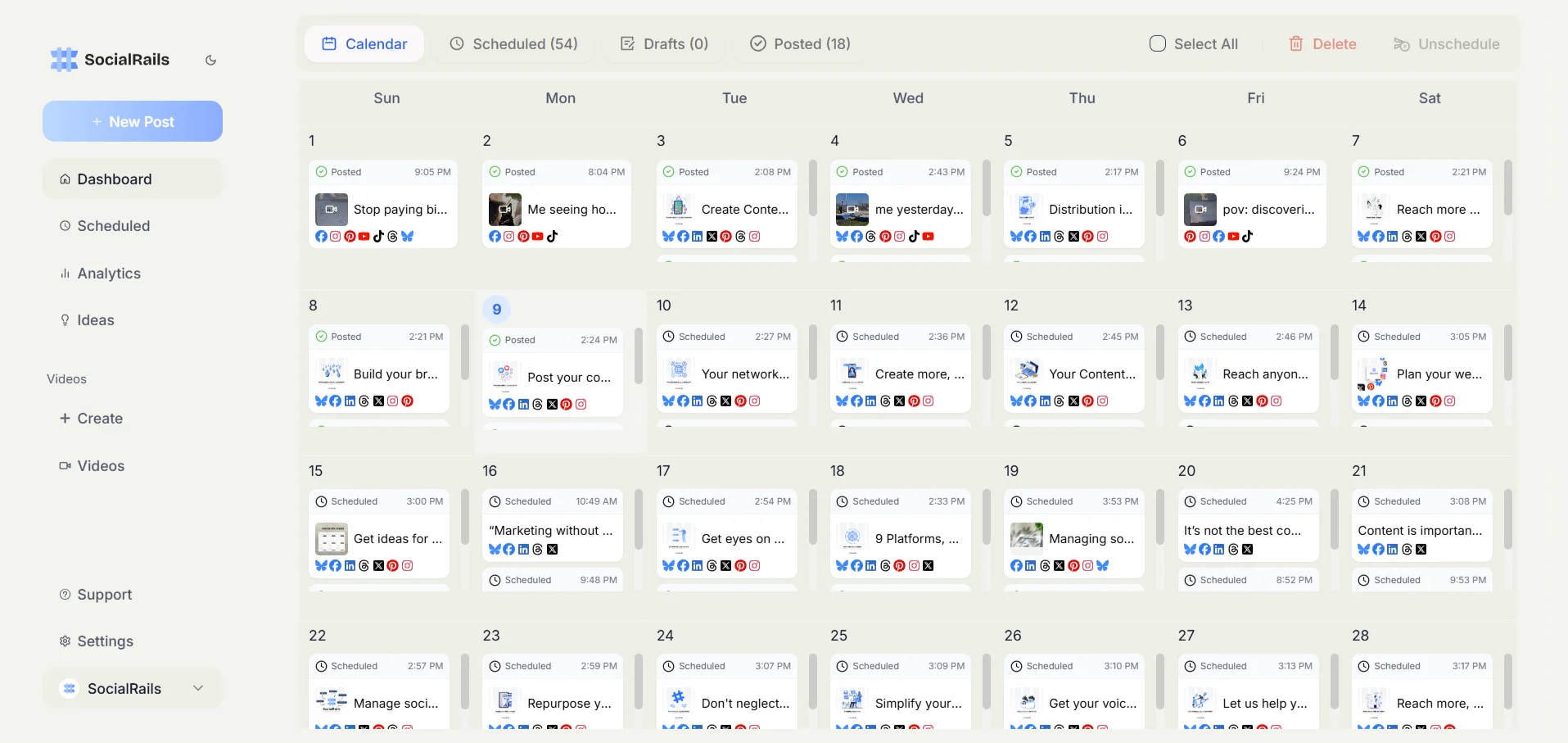
Do LinkedIn Hashtags Still Work in 2026?
Yes, but differently than before. Here's what changed and why it matters:
What LinkedIn Changed (2024-2025)
How Hashtags Work Now
Before these changes, hashtags were a discovery mechanism: people followed #marketing and saw posts tagged with it. That's gone. Now hashtags serve as metadata that helps LinkedIn's algorithm categorize your content.
Think of hashtags like meta tags on a webpage. Users don't see or interact with them directly, but they help the system understand what your post is about and who should see it.
What this means for your strategy:
- Hashtags alone won't get you reach. Your post content, your profile authority, and engagement signals (dwell time, comments, saves) matter more.
- But skipping hashtags entirely is a missed signal. They still help the algorithm classify your content accurately.
- Keywords in your post text now matter as much or more than hashtags. LinkedIn's 360Brew model reads your entire post and matches it semantically to relevant audiences, even without exact keyword matches.
The Keyword + Hashtag Approach
The most effective 2026 strategy combines both:
- Write keyword-rich post content: use the terms your audience would search for naturally in your post text
- Add 3-5 relevant hashtags at the end: these reinforce your topic signal to the algorithm
- Make sure your profile aligns: 360Brew checks whether your post topic matches your headline, About section, and experience. Posts from people with matching expertise get distributed more widely.
How Many Hashtags to Use on LinkedIn
The Short Answer: 3-5 Hashtags
LinkedIn's own guidance recommends 3-5 hashtags per post. Independent data supports this:
The Formula That Works
For each post, use this mix:
- 1-2 broad hashtags (1M+ legacy followers): positions your post in a major category
- 1-2 niche hashtags (under 500K): targets your specific audience
- 0-1 branded or trending hashtag: for campaigns or timely topics
Example for a B2B marketing post:
#ContentMarketing #B2BMarketing #DemandGeneration
Example for a leadership post:
#Leadership #ExecutiveCoaching #LeadershipDevelopment
Where to Place Hashtags
- At the end of your post: this is the standard professional approach and keeps your message clean
- Not in comments: LinkedIn's algorithm gives less weight to hashtags placed in comments vs. the original post
- Not scattered through the text: unlike Instagram, inline hashtags look unprofessional on LinkedIn
- Use PascalCase: write #DigitalMarketing not #digitalmarketing. This improves accessibility for screen readers and readability for everyone
Top LinkedIn Hashtags by Category
Note on follower counts: LinkedIn removed the ability to follow hashtags in late 2024. The follower counts listed below are legacy numbers from before this change. They're still useful as a rough indicator of hashtag popularity and how established a hashtag community was, but they no longer update.
Business and Entrepreneurship
Marketing and Sales
Leadership and Management
Career Development and Job Search
Technology
Innovation and Trends
Personal Development and Motivation
Workplace and Culture
Industry-Specific Hashtags
Financial Services
Core hashtags:
- #Finance (5.5M+), #Fintech (800K+), #Investing (600K+), #Banking (400K+), #WealthManagement (200K+), #InsurTech (100K+), #CreditUnions (50K+), #PaymentsTech (80K+)
Niche hashtags for reach:
- #PersonalFinance, #FinancialPlanning, #CFO, #PrivateEquity, #VentureCapital, #RiskManagement, #RegTech
Healthcare and Life Sciences
Core hashtags:
- #Healthcare (4.5M+), #HealthTech (300K+), #Medicine (250K+), #Pharma (200K+), #MedTech (150K+), #BioTech (300K+), #DigitalHealth (200K+)
Niche hashtags:
- #Telehealth, #PatientExperience, #ClinicalTrials, #HealthcareInnovation, #MedicalDevices, #DrugDevelopment
Real Estate and Construction
Core hashtags:
- #RealEstate (5M+), #Property (800K+), #Construction (4M+), #Architecture (600K+), #CommercialRealEstate (200K+), #PropTech (100K+)
Niche hashtags:
- #PropertyManagement, #HousingMarket, #RealEstateInvesting, #SmartBuildings, #GreenBuilding
Manufacturing and Supply Chain
Core hashtags:
- #Manufacturing (2.5M+), #SupplyChain (1.5M+), #Logistics (1M+), #Lean (400K+), #Industry40 (300K+), #ContinuousImprovement (300K+)
Niche hashtags:
- #SmartManufacturing, #LeanSixSigma, #SupplyChainManagement, #Procurement, #3DPrinting, #IoT
Education and EdTech
Core hashtags:
- #Education (4.8M+), #EdTech (500K+), #eLearning (1M+), #HigherEducation (300K+), #OnlineLearning (400K+), #Teaching (1.5M+)
Niche hashtags:
- #LearningAndDevelopment, #CorporateTraining, #STEM, #SkillsDevelopment, #MicroCredentials
Legal and Consulting
Core hashtags:
- #Consulting (3.2M+), #Law (1M+), #LegalTech (200K+), #Compliance (600K+), #ManagementConsulting (300K+)
Niche hashtags:
- #RegulatoryCompliance, #DataPrivacy, #GDPR, #CorporateLaw, #StrategyConsulting
Energy and Sustainability
Core hashtags:
- #Energy (2M+), #RenewableEnergy (1M+), #CleanEnergy (500K+), #OilAndGas (400K+), #Sustainability (2.8M+), #ClimateChange (1M+)
Niche hashtags:
- #SolarEnergy, #WindEnergy, #EVs, #CarbonNeutral, #EnergyTransition, #GreenHydrogen
Cybersecurity and InfoSec
Core hashtags:
- #Cybersecurity (1.5M+), #InfoSec (400K+), #DataSecurity (200K+), #Compliance (600K+), #CloudSecurity (100K+)
Niche hashtags:
- #ZeroTrust, #ThreatIntelligence, #IncidentResponse, #CISO, #AppSec, #Ransomware
Hashtags for Job Seekers
If you're actively looking for work, the right hashtags can help recruiters find your content. More importantly in 2026, the keywords in your posts and profile matter for LinkedIn's algorithm to surface you to hiring managers.
Best Hashtags for Job Search Posts
General job search:
- #OpenToWork, #JobSearch, #Hiring, #JobHunting, #CareerChange, #NewJob, #LookingForWork
Industry-specific job search (combine with your field):
- #MarketingJobs, #TechJobs, #SalesJobs, #FinanceJobs, #EngineeringJobs, #DesignJobs, #DataJobs, #HRJobs, #HealthcareJobs
For standing out:
- #CareerJourney, #ProfessionalGrowth, #CareerAdvice, #InterviewTips, #ResumeHelp
How to Use Hashtags When Job Searching
- Share content about your expertise: don't just post "I'm looking for work." Write about what you know. This shows recruiters your value.
- Use 2-3 industry hashtags + 1-2 job search hashtags: this reaches both your professional community and people browsing job-related content
- Optimize your profile keywords: your headline, About section, and experience descriptions matter more for recruiter searches than any hashtag. See our LinkedIn headline guide for examples.
- Engage with hiring manager posts: comment thoughtfully on posts from people at companies you want to work at. This puts you on their radar more effectively than any hashtag.
Useful tools: LinkedIn Headline Generator | Add Your Resume to LinkedIn
LinkedIn Hashtag Strategy for 2026
The 360Brew Algorithm and What It Means for Hashtags
LinkedIn's 360Brew is a 150-billion-parameter AI model that fundamentally changed how content is distributed. Understanding how it works helps you use hashtags more effectively:
How 360Brew distributes your post:
- Stage 1: When you publish, the algorithm narrows millions of potential viewers down to hundreds of candidates based on your network, topic, and initial engagement signals
- Stage 2: 360Brew uses semantic understanding to match your content to people who would find it most relevant, based on their profile, past engagement, and stated interests
- Key signals: Dwell time (how long people read your post), comment quality, saves, and reposts now matter more than likes
- Profile-content alignment: The algorithm checks whether your post topic matches your professional expertise. A marketer posting about marketing gets distributed more widely than a marketer posting about unrelated topics.
What this means for hashtags:
- Hashtags help Stage 1 categorization, but Stage 2 (semantic understanding) reads your entire post
- Writing clear, keyword-rich content is now as important as choosing the right hashtags
- Your profile needs to match your content topics for maximum distribution
Building Your Hashtag Sets
Create 3-5 hashtag sets for your recurring content themes. This saves time and ensures consistency:
Example for a B2B SaaS marketer:
Rotate between sets based on your post topic. Don't use the same set for every post.
Hashtag Research Methods
Since LinkedIn removed hashtag following, you can't check follower counts the old way. Here's how to research hashtags in 2026:
- LinkedIn search: search for a hashtag and look at the volume and quality of recent posts using it. Active hashtags with engaged posts are worth using.
- Competitor analysis: look at what hashtags successful creators in your industry use. Check 5-10 profiles of people who consistently get engagement.
- Content cluster approach: identify the 3-5 topics you post about most, then find the 2-3 most relevant hashtags for each topic.
- Check trending topics: LinkedIn's news section and trending discussions reveal timely hashtags worth using.
- Use a hashtag tool: our LinkedIn Hashtag Generator or LinkedIn Top Hashtags Tool can help find relevant options. If you want dedicated hashtag research beyond LinkedIn, see our comparison of Hashtagify and its alternatives for the best options across platforms.
What Makes a Post Go Viral on LinkedIn in 2026
Hashtags alone won't make your content viral. The algorithm prioritizes:
- Original perspective: sharing a unique take on a topic, not repeating what everyone says
- Conversation starters: posts that ask questions or share opinions that invite thoughtful comments
- Professional storytelling: personal stories with a business lesson attached
- Dwell time: longer posts that people actually read (not just scroll past) get boosted
- Early engagement: comments in the first 60-90 minutes signal quality to the algorithm
- Visual content: carousels, documents, and native video tend to get higher engagement than text-only posts
The best hashtag strategy in the world won't save a boring post. Focus on content quality first, then use hashtags to reinforce your topic signal.
For content ideas, see our LinkedIn post ideas guide or LinkedIn content ideas for business.
Common LinkedIn Hashtag Mistakes
Mistakes That Hurt Your Reach
Branded Hashtags: When They Work and When They Don't
When to create a branded hashtag:
- Running an event or conference (#YourConference2026)
- Launching a campaign with user-generated content (#YourCampaignName)
- Building a community around a recurring series (#YourWeeklyTopic)
When branded hashtags don't work:
- If your brand isn't well known, nobody will search for or use a hashtag they've never seen
- As a replacement for popular hashtags: always include established hashtags alongside your branded one
- For every single post: reserve branded hashtags for specific campaigns, not daily use
Tracking Hashtag Performance
What to Measure
LinkedIn doesn't provide hashtag-specific analytics, but you can track performance by:
- Post analytics: check impressions, engagement rate, and profile visits for each post. Compare posts with different hashtag sets.
- Search impressions: in LinkedIn's content analytics, see if your posts appear in search results (a signal that your hashtags and keywords are working).
- Pattern tracking: keep a simple spreadsheet: post topic, hashtags used, impressions, engagement. After 20-30 posts, patterns emerge.
- Profile views: a spike in profile views after a post suggests your content (and hashtags) reached new audiences.
LinkedIn Analytics Tools
- LinkedIn native analytics: available for personal profiles and company pages
- Third-party LinkedIn analytics tools: for deeper insights and historical tracking
- SocialRails: schedule posts and track engagement across platforms including LinkedIn
Frequently Asked Questions
How many hashtags should I use on LinkedIn in 2026?
Use 3-5 hashtags per post. This is LinkedIn's own recommendation and is supported by engagement data. Posts with 6+ hashtags tend to see lower engagement. The ideal mix is 1-2 broad industry hashtags plus 1-2 niche topic hashtags, plus an optional branded or trending hashtag.
Are LinkedIn hashtags still relevant after the follow feature was removed?
Yes, but their role changed. Hashtags no longer function as a browsable discovery tool. Instead, they serve as categorization metadata that helps LinkedIn's algorithm understand what your post is about. Think of them as SEO tags: users don't interact with them directly, but they help the system classify and distribute your content to relevant audiences.
Should I put hashtags at the end of my post or in the comments?
Put them at the end of your post. LinkedIn's algorithm gives more weight to hashtags in the original post body than to those added in comments. Place them after your main content, separated by a line break. This keeps your message clean while still providing the topic signal.
What's more important on LinkedIn: hashtags or keywords?
In 2026, keywords in your post text are at least as important as hashtags, possibly more so. LinkedIn's 360Brew AI model reads and understands your entire post using semantic analysis. It can match your content to relevant audiences even without exact keyword matches. The best approach is to use both: write keyword-rich content naturally, then add 3-5 relevant hashtags at the end.
What are the best LinkedIn hashtags for job seekers?
The most effective hashtags for job seekers include #OpenToWork, #JobSearch, #Hiring, and #CareerChange for visibility, combined with industry-specific hashtags like #MarketingJobs, #TechJobs, or #FinanceJobs. However, your profile keywords (headline, About section, skills) matter more for recruiter searches than hashtags. Focus on writing posts that demonstrate your expertise, not just announcing you're job hunting.
Do the same hashtags work in different countries?
English hashtags like #Marketing or #Leadership work globally since LinkedIn's primary language is English. However, if you're targeting a specific market, consider adding local-language hashtags (e.g., #Führung for German-speaking audiences, #Entrepreneuriat for French). LinkedIn's algorithm considers language and location when distributing content, so local hashtags can help you reach regional audiences.
Can I edit hashtags after publishing a LinkedIn post?
Yes, you can edit your post and change hashtags after publishing. However, editing a post may temporarily reduce its distribution as the algorithm re-evaluates it. If possible, get your hashtags right before publishing. If you must edit, do it within the first few minutes.
How do I find trending LinkedIn hashtags?
LinkedIn no longer has a dedicated trending hashtags section. To find what's trending: check LinkedIn's news section for current topics, search hashtags in the LinkedIn search bar to see recent post volume, monitor what successful creators in your industry are using, and watch for timely topics in your field (product launches, industry events, regulatory changes).
Should my company page use hashtags differently than my personal profile?
LinkedIn replaced company page hashtags with "Specialisms": up to 20 keyword phrases that describe your business. For company page posts, still use 3-5 hashtags in the post content. For your personal profile, focus on consistent hashtags that match your expertise area. Company pages generally get less organic reach than personal profiles, so employee advocacy (getting team members to share content) is often more effective than optimizing company page hashtags.
What happens if I use too many hashtags on LinkedIn?
Using more than 5-10 hashtags can make your post look spammy and may reduce its reach. LinkedIn's culture is professional and restrained, and the platforms have converged here: Instagram capped captions at five in December 2025, so the old contrast with Instagram's 30-tag blocks no longer holds. Stick to 3-5 well-chosen hashtags.
LinkedIn Resources
LinkedIn Strategy Guides:
- Best Time to Post on LinkedIn
- How Often to Post on LinkedIn
- LinkedIn Post Ideas
- LinkedIn Content Ideas for Business
- Become a LinkedIn Influencer
- How to Grow LinkedIn Followers
- Write a LinkedIn Article That Goes Viral
LinkedIn Profile and Formatting:
- LinkedIn Headline Examples
- How to Add Bullets in LinkedIn
- LinkedIn Profile Picture Guide
- LinkedIn Banner Size Guide
- Add Resume to LinkedIn
- Add Certifications to LinkedIn
LinkedIn Publishing:
- LinkedIn Pulse & Articles Guide
- How to Post Articles on LinkedIn
- LinkedIn Post Character Limits
- How to Schedule LinkedIn Posts
- Upload Video to LinkedIn
LinkedIn Tools:
Free Tools:
Was this article helpful?
Let us know what you think!