
How to Market Yourself on LinkedIn: Personal Branding Guide 2026

How to Market Yourself on LinkedIn: Personal Branding Guide
LinkedIn is the most powerful platform for professional self-promotion. Done right, you attract opportunities instead of chasing them. Here's how to market yourself effectively without being pushy.
Quick start: Use our LinkedIn Headline Generator to create a compelling first impression.
Why Self-Promotion on LinkedIn Works
The Professional Context Advantage
Unlike other social media, LinkedIn users expect professional content:
- Users come specifically for professional networking
- People research others before business meetings
- Many LinkedIn users are decision-makers
- Users engage more with career-related content than other topics
Self-Promotion vs. Bragging
Create content, post everywhere
Create captions, images, and videos with AI. Schedule to 9 platforms in seconds.
Start your free trial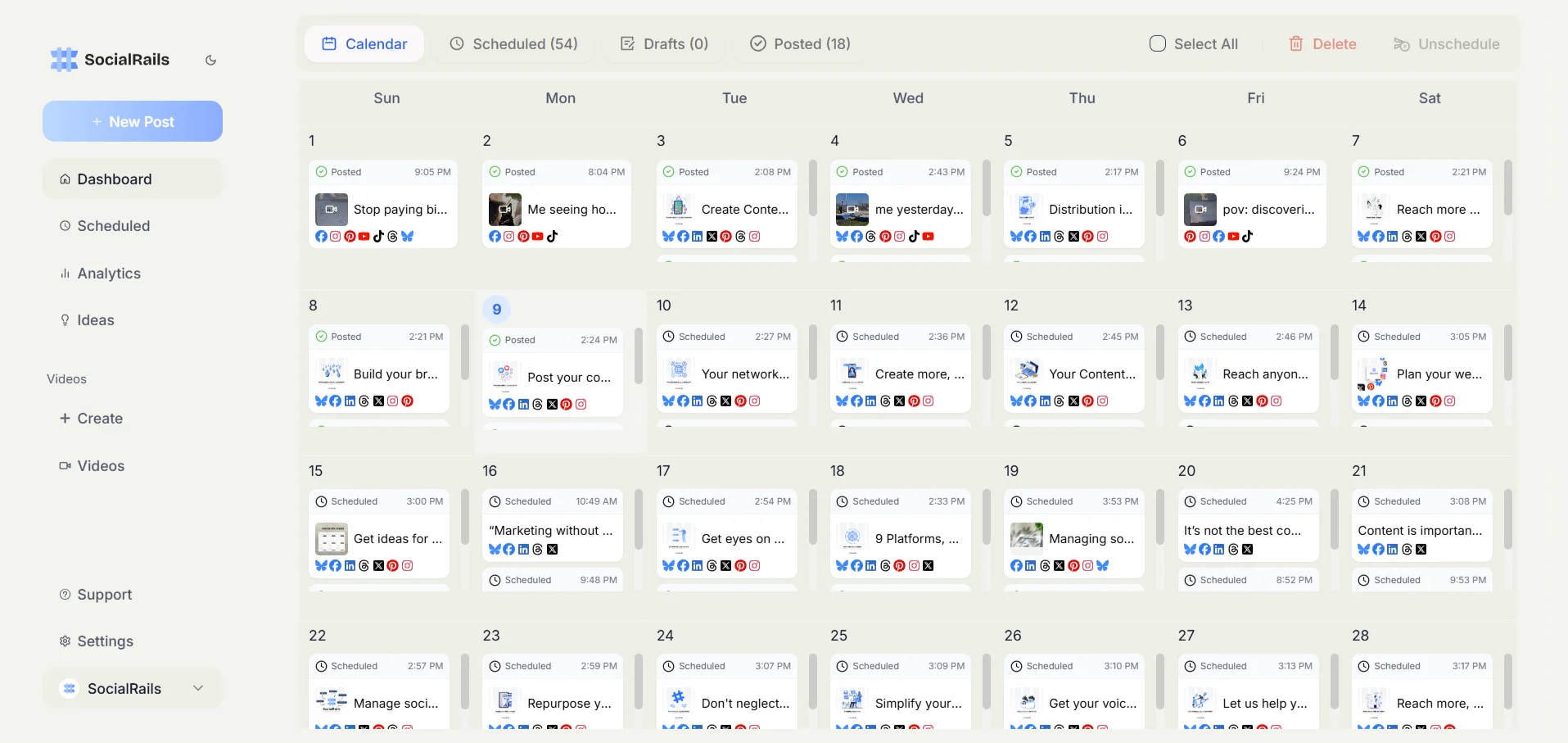
Step 1: Define Your Personal Brand
What's the foundation of effective self-marketing on LinkedIn?
Find Your Unique Position
Answer these questions:
- What do you want to be known for?
- What problems do you solve?
- Who do you help?
- What makes your approach different?
- What expertise have you earned?
Create Your Brand Statement
Formula: I help [target audience] achieve [outcome] through [your unique approach].
Examples:
- "I help SaaS founders build sales teams that consistently hit quota through structured playbooks."
- "I help marketers create content that converts by combining SEO with storytelling."
- "I help career changers break into tech through strategic positioning and skill-building."
Personal Brand Checklist
- Clear target audience defined
- Specific value proposition
- 3-5 content pillars identified
- Consistent voice and tone
- Visual identity (photos, colors)
Step 2: Optimize Your Profile for Discoverability
Your Headline: The Most Important 220 Characters
Your headline appears everywhere on LinkedIn—search results, comments, messages, connection requests.
Weak Headlines:
- "Marketing Manager at Company"
- "Looking for new opportunities"
- "Passionate professional"
Strong Headlines:
- "Marketing Manager | Helped 50+ B2B companies increase leads by 40% | Content Strategy & SEO"
- "Software Engineer → Product Manager | Helping engineers transition to PM roles"
- "CFO | Making finance understandable for non-finance people | 20+ years in SaaS"
Generate yours with our LinkedIn Headline Generator.
Your Summary: Tell Your Story
Your About section should:
- Hook in the first two lines (before "see more")
- Share your story (not just your resume)
- Highlight expertise with specific examples
- Include a call-to-action (what should readers do next?)
Structure:
[Hook - Why someone should keep reading]

[Your story - How you got here]

[What you do now - Specific expertise]

[Who you help - Target audience]

[Results/Proof - Achievements or testimonials]

[CTA - How to connect or work with you]
Profile Photo and Banner
- Photo: Professional headshot, smiling, good lighting
- Banner: Reinforce your brand (tagline, services, or professional image)
- Consistency: Use similar imagery across platforms
Step 3: Share Content That Showcases Expertise
The 4 Content Pillars for Self-Promotion
1. Educational Content (40%)
- How-to guides in your field
- Tips and frameworks
- Industry best practices
- Tool recommendations
2. Experience Stories (30%)
- Lessons from your career
- Project case studies
- Mistakes and what you learned
- Behind-the-scenes insights
3. Opinion/Thought Leadership (20%)
- Industry predictions
- Controversial takes (professional)
- Commentary on trends
- Your unique perspective
4. Celebration/Proof (10%)
- Wins and achievements
- Client results (with permission)
- Team accomplishments
- Milestones reached
Content Ideas for Self-Promotion
Get more ideas: LinkedIn Content Ideas Generator
Which post style comes across as authentic self-promotion rather than bragging?
Self-Promotion Without Arrogance
Do This:
"Our team just closed our biggest deal ever. Here are 5 things we did differently this time..."
Not This:
"Just closed the biggest deal of my career. I'm amazing. #blessed #winning"
Do This:
"I was promoted to Director last week. Grateful for my team. Here's what I learned on the journey..."
Not This:
"HUGE NEWS! Just got promoted! I work so hard and finally got recognized!"
Step 4: Engage to Increase Visibility
Strategic Commenting
Comments put your profile in front of new audiences:
- Comment on posts from industry leaders
- Add genuine insights, not just "Great post!"
- Ask thoughtful questions
- Share relevant experiences
Comment Formula:
- Acknowledge the main point
- Add your perspective or experience
- Ask a follow-up question (optional)
Build Relationships Through Engagement
- Engage with the same people consistently
- Support others before asking for anything
- Share others' content with your insights added
- Celebrate others' wins genuinely
Create Conversation Starters
Posts that invite engagement:
- Ask for opinions: "What's your take on [industry topic]?"
- Share a debate: "I believe [X]. Agree or disagree?"
- Poll your audience on professional questions
- Ask for recommendations or experiences
Step 5: Use LinkedIn Features
Featured Section
Pin your best work:
- Top-performing posts
- External articles or publications
- Website or portfolio links
- Case studies or presentations
Creator Mode
Benefits when enabled:
- "Follow" button instead of "Connect"
- Featured hashtags on profile
- Access to LinkedIn Live and newsletters
- Content appears higher in search
LinkedIn Newsletters
- Build a subscriber base within LinkedIn
- Regular audience for your expertise
- Shows up in notifications (high visibility)
- Establishes thought leadership
LinkedIn Articles
Long-form content for deep expertise:
- Comprehensive guides
- Industry analysis
- Personal essays
- Research and insights
Step 6: Network With Purpose
Strategic Connections
Connect with:
- People in your target audience
- Industry peers and collaborators
- Potential clients or employers
- Thought leaders in your space
Personalize every request: How to Build Your Network on LinkedIn
Recommendations Strategy
Request recommendations from:
- Former managers and supervisors
- Colleagues who saw your work
- Clients you've helped
- Mentors or industry contacts
Give recommendations to:
- People you've genuinely worked with
- Colleagues whose work you admire
- Mentees you've helped grow
Skills Endorsements
- List your top 50 skills
- Arrange most important at the top
- Endorse others (they often reciprocate)
- Take skills assessments for badges
Step 7: Measure Your Personal Brand Impact
Key Metrics to Track
- Profile views: Are more people finding you?
- Post impressions: Is your content reaching people?
- Engagement rate: Are people responding?
- Connection requests: Are people seeking you out?
- Inbound opportunities: Job offers, partnerships, speaking invitations
Weekly Tracking
Common Self-Promotion Mistakes
Mistakes to Avoid
- All promotion, no value: Balance wins with insights
- Inconsistency: Posting once then disappearing
- Being inauthentic: Pretending to be someone you're not
- Ignoring engagement: Posting without interacting
- Copying others: Find your unique voice
- Oversharing personal life: Keep it professional
Red Flags
- Every post is about you buying something
- Humble-bragging ("I'm so tired from all my success")
- Only sharing wins, never struggles
- Tagging random people for visibility
- Using engagement pods or fake comments
Industry-Specific Self-Promotion
For Job Seekers
- Share career journey and lessons
- Post about skills you're developing
- Engage with hiring managers' content
- Share portfolio pieces and projects
- Use the Open to Work feature strategically
For Business Owners
- Share behind-the-scenes of building
- Post client success stories (with permission)
- Provide free value in your expertise area
- Share company milestones authentically
- Highlight team members regularly
For Employees
- Celebrate team wins (share credit)
- Share professional development
- Post industry insights and learnings
- Build a presence separate from your employer
- Support your company's content authentically
Tools for LinkedIn Self-Marketing
Free Resources
- LinkedIn Headline Generator
- LinkedIn Content Ideas Generator
- LinkedIn Caption Generator
- LinkedIn POV Framework Generator
External Resources
- Buffer: How to Build a Personal Brand on LinkedIn - Step-by-step personal branding guide
- Taplio: 17-Minute LinkedIn Personal Branding Strategy - Quick-start framework
- Sandra Long: LinkedIn for Personal Branding (Book) - From a LinkedIn Top Voice
Related Guides
Frequently Asked Questions
How often should I post to market myself on LinkedIn?
Post 3-5 times per week for consistent visibility. Quality matters more than quantity, but consistency builds momentum. One excellent post per week is better than daily mediocre content.
Is it okay to talk about achievements on LinkedIn?
Absolutely. LinkedIn is designed for professional growth sharing. The key is framing achievements as lessons or value for others, not just self-congratulation. Share what you learned, not just what you did.
How do I promote myself without looking desperate?
Focus on providing value. When you share insights, help others, and engage genuinely, self-promotion feels natural. The ratio should be 80% value-giving, 20% direct promotion.
Should I share personal stories on LinkedIn?
Yes, when relevant to professional growth. Stories about career challenges, lessons learned, and professional journeys perform well. Avoid overly personal topics unrelated to work.
How long does it take to build a personal brand on LinkedIn?
Expect 3-6 months of consistent effort to see meaningful traction. Personal brand building is a long-term investment. The compound effect of regular posting and engagement pays off over time.
Start Building Your Personal Brand Today
Ready to market yourself effectively on LinkedIn? Use our LinkedIn Headline Generator to create a compelling profile, or try SocialRails to plan and schedule your personal branding content.
Was this article helpful?
Let us know what you think!