
LinkedIn Image Sizes 2026: Complete Specs for Every Format

LinkedIn Image Sizes at a Glance
Use these first. They cover the vast majority of what you upload to LinkedIn.
- Profile photo: 400 x 400 px (square, 1:1)
- Profile banner (background): 1584 x 396 px (4:1)
- Feed post image: 1200 x 627 px landscape, 1080 x 1080 px square, or 1080 x 1350 px portrait
- Company Page logo: 300 x 300 px minimum (400 x 400 px recommended)
- Company Page cover: 1128 x 191 px
- Link share preview: 1200 x 627 px
The one thing most size lists skip: LinkedIn crops several of these on mobile, so the safe zone (where your text and logo must sit) is smaller than the full canvas. The banner is the biggest trap because your profile photo also sits on top of it. See Safe Zones and How LinkedIn Crops Images below.
Jump to a section: At a glance - Profile images - Company Page images - Post and feed sizes - Article and newsletter - Documents and carousels - Ad image sizes - Safe zones and cropping - Formats and file limits - FAQ
Related LinkedIn guides: Get your headshot right in the LinkedIn profile picture guide, plan visual posts around LinkedIn post character limits, and match your captions with the best hashtags for LinkedIn.
Create content, post everywhere
Create captions, images, and videos with AI. Schedule to 9 platforms in seconds.
Start your free trial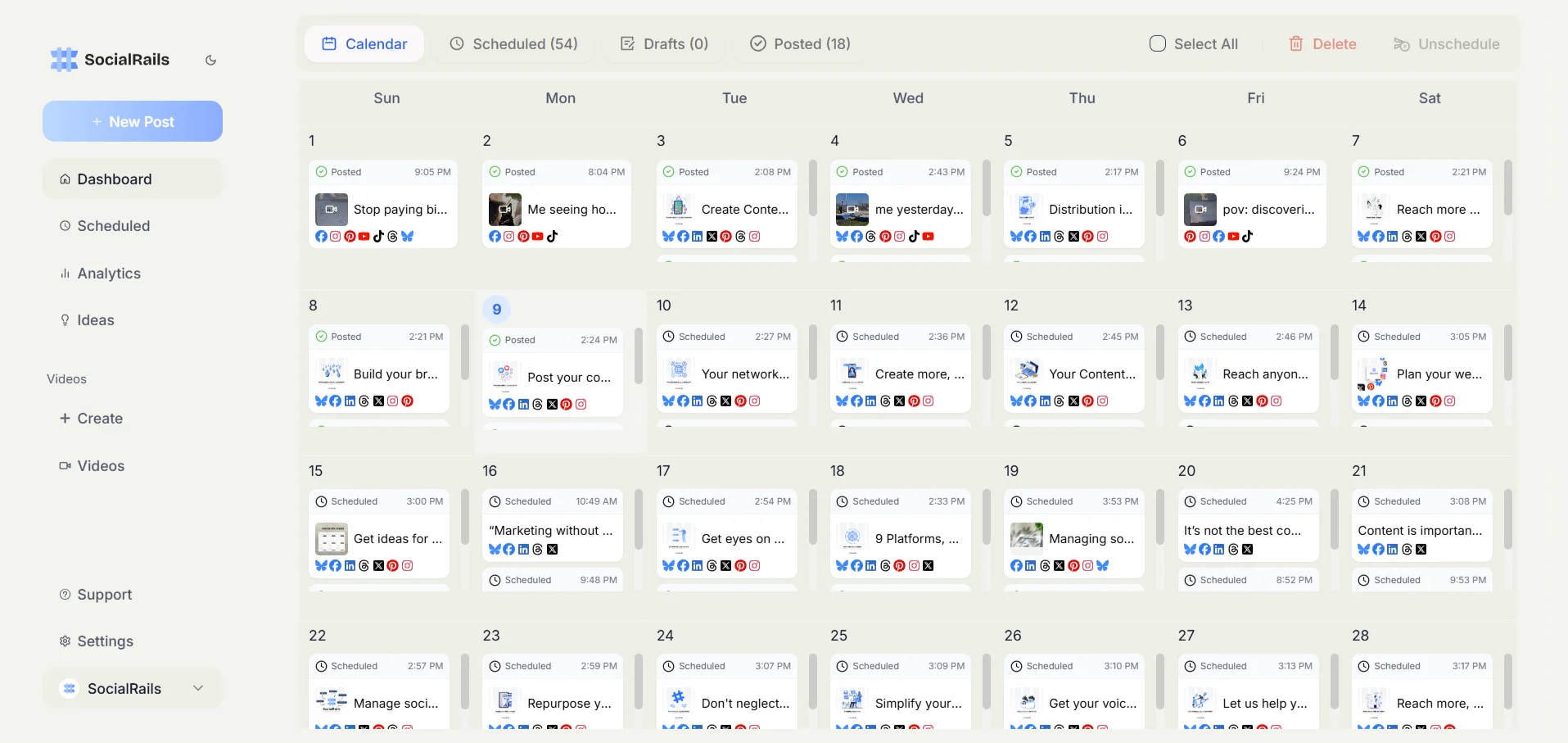
Full specification table
Profile Images: Photo and Banner
Profile photo
- Recommended: 400 x 400 px
- Minimum: 200 x 200 px
- Maximum file size: 8 MB
- Formats: JPG, PNG, GIF
- Aspect ratio: 1:1 (square)
LinkedIn displays the photo inside a circle, so keep your head centered and leave a little breathing room around the edges. Anything pushed into the corners gets clipped by the circular mask. For framing, lighting, and background advice, see the dedicated LinkedIn profile picture guide.
Profile banner (background image)
- Recommended: 1584 x 396 px
- Aspect ratio: 4:1
- Maximum file size: 8 MB
- Formats: JPG, PNG, GIF (animated GIFs render as a static first frame for most viewers)
- Safe zone: keep text and logos inside the center ~1200 x 300 px
This is the single most misused LinkedIn size. The personal banner is 1584 x 396, not 1128 x 191 (that smaller size is the Company Page cover). Two things get cut on mobile: LinkedIn trims the left and right edges, and your circular profile photo sits over the lower-left corner. Keep any important text out of that corner and out of the outer edges.
Company Page Images
Company Pages use different sizes than personal profiles, so do not copy your personal banner across.
Company Page logo
- Minimum: 300 x 300 px
- Recommended: 400 x 400 px for sharper display
- Format: PNG with a transparent background preferred
- Aspect ratio: 1:1
Keep the mark simple and high-contrast so it stays legible at the small size LinkedIn shows next to your posts. If you are still setting up the Page, our LinkedIn Company Page guide walks through the full setup.
Company Page cover image
- Recommended: 1128 x 191 px
- Aspect ratio: roughly 5.9:1
- Maximum file size: 8 MB
- Format: JPG or PNG
This wide, short strip crops noticeably on smaller screens, so center anything that has to be read.
Post and Feed Image Sizes
Single-image feed posts accept three practical shapes. All three should be at least 1080 px on the shortest side to stay crisp, and each stays under 5 MB.
- Landscape: 1200 x 627 px (1.91:1). Safe default and the size link previews use.
- Square: 1080 x 1080 px (1:1). Clean and predictable in the feed.
- Portrait: 1080 x 1350 px (4:5). This is the tallest vertical LinkedIn keeps without cropping, and it occupies the most vertical space in the mobile feed. Taller than 4:5 gets trimmed.
Multi-image posts hold 2 to 20 images in a grid or swipe layout. Keep every image the same dimensions so the set does not look ragged. Planning the words that go with the visuals? Check the LinkedIn post character limits so your caption is not truncated.
Article and Newsletter Images
LinkedIn articles and newsletters are published through the built-in publishing tool and use a wider cover image than a feed post.
- Article / newsletter cover: 1200 x 644 px (roughly 1.86:1). A 1920 x 1080 px (16:9) image also works and holds up well on large screens.
- In-line images: 1200 px wide, with the height set by your content.
Keep any headline text near the center; the cover is cropped differently in the feed, in the article header, and in email versions of a newsletter.
Document and Carousel Images
LinkedIn "carousels" are uploaded as a PDF document, so each slide is a page inside that file.
- Slide size: 1080 x 1080 px (1:1) or 1080 x 1350 px (4:5) for a taller mobile footprint. 1200 x 1500 px is a common higher-resolution 4:5 alternative.
- Consistency: every slide should share the same dimensions, otherwise LinkedIn letterboxes the odd ones.
- File limits: documents can run up to 300 pages and about 100 MB, though a focused 6 to 12 slide deck reads best.
LinkedIn Ad Image Sizes
Paid placements mirror the organic sizes, with a couple of format-specific rules.
- Single image ad: 1200 x 627 px (1.91:1) or 1080 x 1080 px (1:1).
- Carousel ad: 1080 x 1080 px per card, 2 to 10 cards, all the same size.
- Video thumbnail: 1200 x 627 px, matched to a 1920 x 1080 px (16:9) video.
Unlike the old Facebook rule, LinkedIn does not enforce a hard cap on how much of an ad image can be text, but crowded creatives still tend to underperform, so keep overlay text short and legible on a phone.
Safe Zones and How LinkedIn Crops Images
This is the part a bare number list leaves out, and it is why correctly sized images still look wrong.
- Profile banner: the outer left and right edges are trimmed on mobile, and your round profile photo covers the lower-left corner. Keep logos and text inside the center ~1200 x 300 px, and away from that bottom-left corner.
- Link previews: when you paste a link, LinkedIn pulls the page's Open Graph image and fits it to 1.91:1 (1200 x 627). If that source image is a different shape, it gets center-cropped, so a logo at the very top or bottom can disappear.
- Portrait posts: anything taller than 4:5 (1080 x 1350) is cropped in the feed. Design at 4:5 rather than a taller ratio if the full image matters.
- Company cover: the wide 1128 x 191 strip shrinks a lot on phones; centered content survives, edge content does not.
The practical takeaway is the recommended-versus-minimum distinction. The recommended size is the resolution LinkedIn displays cleanly on a high-density screen; the minimum is only the point below which the image looks soft. Upload at the recommended size, then design within the safe zone.
File Formats and File Limits
- Formats: JPG, PNG, and GIF are supported everywhere. Use JPG for photos, PNG for logos, screenshots, and anything with text or transparency.
- Photos and posts: keep files under about 5 MB for fast loading.
- Profile photo and banner: up to 8 MB.
- Documents (carousels): up to about 100 MB and 300 pages.
- GIF caveat: animated GIFs used as a banner or profile photo display as a static first frame for many viewers, so make that first frame count.
Need matching visuals fast? Try our LinkedIn logo generator, then measure what performs with these LinkedIn analytics tools and post consistently using the best LinkedIn scheduler.
Frequently Asked Questions
What size should a LinkedIn profile photo be?
Use 400 x 400 pixels, with a minimum of 200 x 200 pixels. The photo is square (1:1) but displayed inside a circle, so center your head and keep the edges clear. Maximum file size is 8 MB in JPG, PNG, or GIF.
What is the correct LinkedIn banner size?
The personal profile banner (background image) is 1584 x 396 pixels, a 4:1 ratio, up to 8 MB. Keep important text and logos inside the center 1200 x 300 pixels, because LinkedIn trims the edges on mobile and your profile photo covers the lower-left corner.
What are the best LinkedIn post image dimensions?
Feed posts support three shapes: 1200 x 627 pixels landscape (1.91:1), 1080 x 1080 pixels square (1:1), and 1080 x 1350 pixels portrait (4:5). Portrait takes up the most space in the mobile feed. Keep the shortest side at 1080 pixels or more and files under about 5 MB.
Is the LinkedIn Company Page cover the same size as a personal banner?
No. The Company Page cover is 1128 x 191 pixels, while the personal profile banner is 1584 x 396 pixels. They are different shapes, so do not reuse one for the other. The Company Page logo is 300 x 300 pixels minimum, with 400 x 400 recommended.
What size should a LinkedIn article or newsletter cover image be?
Use 1200 x 644 pixels for the cover. A 1920 x 1080 pixel (16:9) image also works and stays sharp on large screens. Keep headline text near the center, since the cover crops differently in the feed, the article header, and email versions of a newsletter.
What dimensions should LinkedIn carousel (document) slides be?
Carousels are uploaded as a PDF, so each slide is a page. Use 1080 x 1080 pixels (1:1) or 1080 x 1350 pixels (4:5) for a taller mobile footprint, and keep every slide the same size. Documents can run up to about 300 pages and 100 MB, but 6 to 12 focused slides read best.
Why do my LinkedIn images still look cropped even at the right size?
LinkedIn crops several placements to a fixed ratio. Link previews are fit to 1.91:1, the banner is trimmed on the edges and behind your profile photo, and portrait posts taller than 4:5 are cut. Design within each placement's safe zone rather than only matching the pixel dimensions.
What file formats and file sizes does LinkedIn accept?
LinkedIn supports JPG, PNG, and GIF. Use JPG for photos and PNG for logos, screenshots, or transparency. Keep posts under about 5 MB, profile photos and banners up to 8 MB, and documents up to about 100 MB. Smaller files load faster.
Ready to Create Professional LinkedIn Images
Correct dimensions plus a respected safe zone are what keep your brand looking sharp across desktop, mobile, and email.
- Upload at the recommended size, not the minimum.
- Keep text and logos inside each placement's safe zone.
- Use the same dimensions across every image in a multi-image post or carousel.
- Check the result on a phone before you publish.
Keep going: pair these specs with the LinkedIn video format guide, the best B2B social media platforms, and the best hashtags for LinkedIn to round out your visual strategy.
Was this article helpful?
Let us know what you think!