

Social Commerce: The Complete Guide to Selling on Social Media (2026)

Social Commerce: Complete Guide (2026)
What is Social Commerce?
Social commerce = the entire purchase happens on the social platform. No website redirect needed.
2026 market size: $1.2 trillion globally, growing 30%+ annually.
Create content, post everywhere
Create captions, images, and videos with AI. Schedule to 9 platforms in seconds.
Start your free trial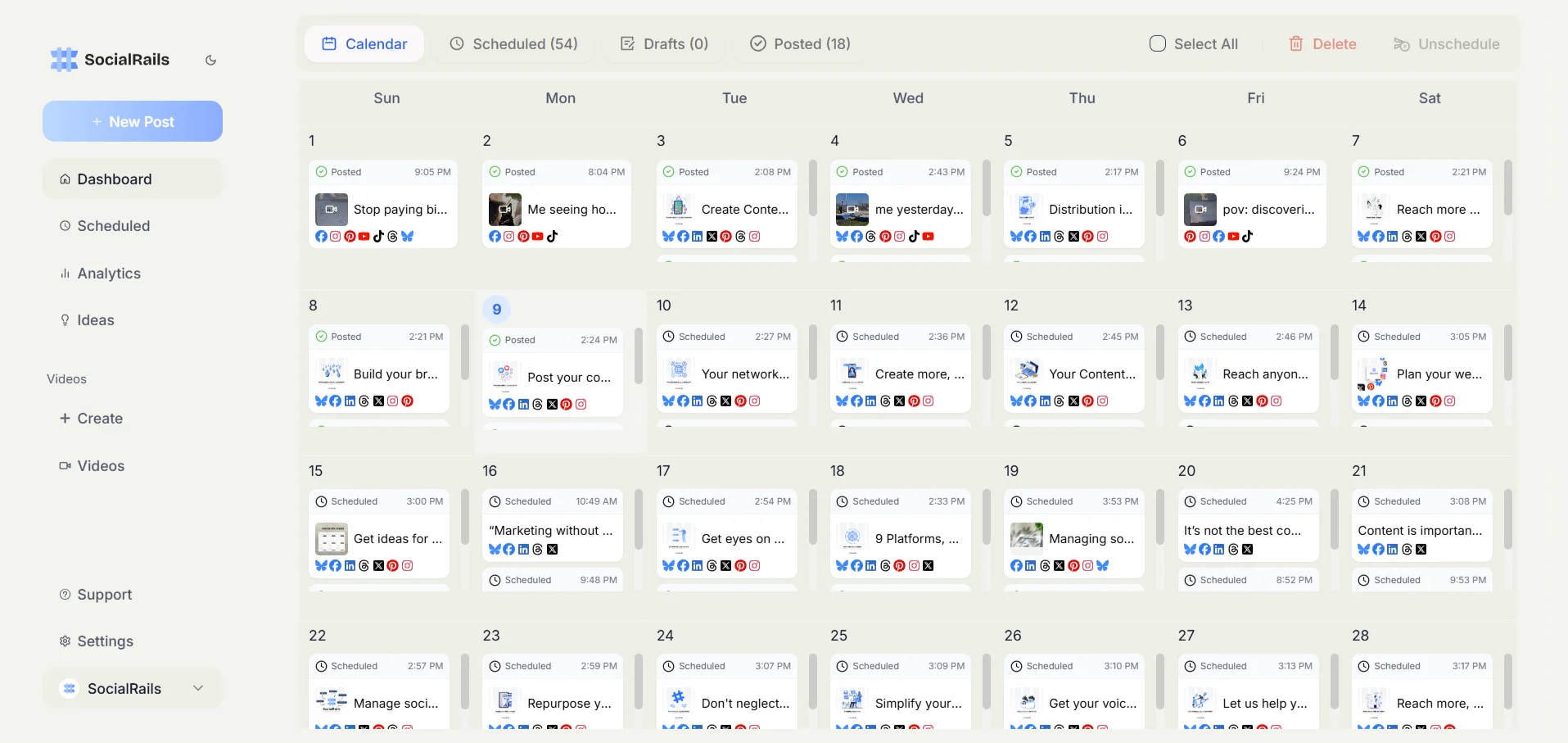
What's the key difference between social commerce and social media marketing?
Social Commerce Platforms in 2026
Instagram Shopping
Features:
- Product tags in posts, Stories, Reels
- Instagram Shop (storefront tab)
- In-app checkout
- Shopping from Creators
- Live Shopping
Requirements:
- Business or Creator account
- Connected Facebook catalog
- Sell physical goods (digital products limited)
- Comply with commerce policies
TikTok Shop
Features:
- In-feed shoppable videos
- Live shopping streams
- Product showcase tab
- Affiliate marketplace
- Shop tab in app
Key stats:
- Fastest-growing social commerce platform
- Live shopping drives 2-3x higher conversion
- Average order value increasing year-over-year
Which platform is growing fastest for social commerce?
Facebook Shops
Features:
- Customizable storefront
- Collections and categories
- Messenger integration
- In-app checkout
- Cross-posting to Instagram
Pinterest Shopping
Features:
- Product Pins with pricing
- Shop the Look Pins
- Catalog integration
- Shopping spotlights
- Visual search shopping
YouTube Shopping
Features:
- Product tagging in videos
- Shopping shelf below videos
- Live shopping
- Shorts shopping integration
- Affiliate product tagging
Setting Up Social Commerce
Instagram Shopping Setup
Step 1: Meet requirements
- Business/Creator account
- Sell physical goods
- Have a website domain
- Be in supported country
Step 2: Connect catalog
- Create Facebook Commerce Manager account
- Add products to catalog (manual or Shopify/WooCommerce sync)
- Connect Instagram account
- Submit for review
Step 3: Enable shopping
- Go to Settings → Business → Shopping
- Select your catalog
- Start tagging products in posts
Step 4: Optimize your shop
- Create collections
- Add product descriptions
- Use high-quality images
- Update inventory regularly
TikTok Shop Setup
Requirements:
- Business account
- U.S., UK, or supported region
- Valid business registration
- Meet seller requirements
Setup process:
- Apply at seller.tiktok.com
- Verify business documents
- Connect payment method
- Add products
- Start creating shoppable content
Facebook Shop Setup
Steps:
- Go to Commerce Manager
- Create or connect catalog
- Customize shop appearance
- Add products and collections
- Set up checkout method
- Publish your shop
Social Commerce Strategies
Content That Sells
1. Product demonstrations
- Show product in action
- Highlight benefits, not just features
- Address common questions
- Include clear CTAs
2. User-generated content
- Customer reviews and photos
- Unboxing videos
- Before/after transformations
- Real people using products
3. Live shopping
- Real-time product demos
- Q&A with viewers
- Limited-time offers
- Behind-the-scenes
4. Shoppable tutorials
- How-to content with tagged products
- "Get the look" posts
- Recipe videos with ingredients linked
- DIY projects with supplies tagged
Which content type has the highest conversion rate for social commerce?
Optimizing Product Listings
Product title best practices:
- Include key search terms
- Keep under 100 characters
- Lead with most important words
- Avoid promotional language
Product descriptions:
- Highlight key benefits
- Include size/dimensions
- Address common questions
- Use bullet points for readability
Product images:
- High resolution (1080x1080 minimum)
- White or clean background
- Multiple angles
- Lifestyle shots showing use
- Size reference when relevant
Pricing Strategy
Social commerce pricing tips:
- Match website pricing (avoid confusion)
- Consider platform-specific promotions
- Factor in platform fees
- Use psychological pricing ($29.99 vs $30)
- Offer bundle deals for higher AOV
Social Commerce Trends 2026
Live Shopping Growth
Why live shopping works:
- Real-time engagement
- Urgency and scarcity
- Authentic demonstrations
- Direct Q&A with sellers
- Entertainment + shopping
Live shopping best practices:
- Schedule regular streams
- Promote in advance
- Offer live-only deals
- Engage with comments
- Have products ready to demo
AI-Powered Shopping
2026 AI features:
- Visual search ("find similar products")
- AI styling recommendations
- Chatbot shopping assistants
- Personalized product feeds
- AR try-on experiences
Creator-Led Commerce
Influencer + commerce integration:
- Creator storefronts
- Affiliate product tagging
- Brand partnerships with shopping
- Creator-exclusive products
- Commission-based selling
Conversational Commerce
Selling through messaging:
- DM purchases on Instagram
- Messenger catalog browsing
- WhatsApp Business shopping
- Chatbot-assisted checkout
- Personalized recommendations
Measuring Social Commerce Success
Key Metrics
Traffic metrics:
- Product page views
- Add-to-cart rate
- Shop visits
Conversion metrics:
- Conversion rate
- Average order value (AOV)
- Revenue per visitor
- Checkout completion rate
Content metrics:
- Product tag clicks
- Shoppable post engagement
- Live shopping viewers and conversions
Platform Analytics
Instagram:
- Commerce Manager insights
- Product performance
- Shop activity
TikTok:
- TikTok Shop analytics
- Video shopping performance
- Live metrics
Facebook:
- Commerce Manager
- Shop insights
- Catalog performance
Common Social Commerce Challenges
Challenge 1: Low Conversion
Solutions:
- Improve product photography
- Write compelling descriptions
- Add more product reviews
- Simplify checkout process
- Address shipping concerns upfront
Challenge 2: Inventory Management
Solutions:
- Sync with ecommerce platform (Shopify, WooCommerce)
- Set up low-stock alerts
- Update availability regularly
- Remove out-of-stock products
Challenge 3: Customer Service
Solutions:
- Set up automated responses
- Monitor DMs consistently
- Create FAQ highlights
- Use chatbots for common questions
- Respond within 24 hours
Challenge 4: Building Trust
Solutions:
- Feature customer reviews
- Share UGC content
- Display security badges
- Clear return policy
- Transparent shipping info
Social Commerce Tools
Ecommerce Integration
Platforms that sync with social:
- Shopify (Instagram, Facebook, TikTok, Pinterest)
- WooCommerce (Facebook, Instagram)
- BigCommerce (multiple platforms)
- Square (Instagram, Facebook)
Content Creation
Tools for shoppable content:
- Canva (product graphics)
- CapCut (video editing)
- Caption Generator
- Hashtag Generator
Analytics
Track performance with:
- Native platform analytics
- Google Analytics 4
- Social Media Analytics tools
- Shopify/platform dashboards
Getting Started Checklist
Phase 1: Setup
- Choose primary platform(s)
- Create business account
- Set up product catalog
- Connect ecommerce platform
- Submit for shopping approval
Phase 2: Optimize
- Add high-quality product images
- Write compelling descriptions
- Create collections/categories
- Set up shop customization
- Configure checkout settings
Phase 3: Launch
- Create first shoppable posts
- Tag products in existing content
- Announce shop to followers
- Start regular shoppable content
- Test purchase flow yourself
Phase 4: Scale
- Analyze performance data
- Test live shopping
- Partner with creators
- Run social commerce ads
- Expand to additional platforms
Frequently Asked Questions
What is the difference between social commerce and ecommerce?
Ecommerce happens on dedicated websites or apps. Social commerce happens entirely on social media platforms. With social commerce, customers find, browse, and purchase without leaving Instagram, TikTok, or Facebook.
Which social commerce platform is best?
It depends on your audience. Instagram Shopping is best for lifestyle and fashion. TikTok Shop excels with trending products and younger demographics. Facebook Shops works well for broader audiences. Pinterest suits home decor and visual products.
How much does social commerce cost?
Setting up shops is free on most platforms. Platforms take transaction fees: Instagram/Facebook takes 5% or $0.40 minimum per sale. TikTok Shop fees vary by category. Factor these into your pricing strategy.
Do I need a website for social commerce?
Most platforms require a website domain for verification, but full in-app checkout means customers don't need to visit your site. However, having a website builds credibility and provides backup sales channel.
How do I get approved for Instagram Shopping?
You need: a Business or Creator account, to sell physical goods, a connected Facebook catalog, compliance with commerce policies, and to be in a supported country. Submit through Settings → Business → Shopping and wait for review.
What products sell best on social media?
Visual products perform best: fashion, beauty, home decor, food, and fitness products. Products that benefit from demonstration (showing in use) do well. Impulse-buy priced items ($20-100) convert better than expensive products.
Related Resources
Ecommerce & Shopping Guides:
- How to Set Up a Facebook Shop - step-by-step setup guide
- Best Selling Products Online - what to sell in 2026
- Instagram Shopping Setup Guide - sell products on Instagram
- Shopping Cart Optimization Guide - reduce abandonment
- FOMO Marketing Guide - create urgency that converts
- Social Proof Marketing Guide - build trust with reviews
- Create Facebook Business Page - set up Facebook Shops
- Best Ecommerce Platform for Small Business - compare platforms
Social Media Growth:
- Grow Instagram Followers - build your audience
- Increase Instagram Engagement - drive more interactions
- Track Instagram Followers - monitor growth
- Organic Social Media Marketing - grow without ads
- Try SocialRails - schedule and automate your social selling
Free Tools:
- Urgency Message Generator - create FOMO-driven messages
- Power Words Generator - high-converting words
- Content Calendar Generator - plan your content
- Instagram Caption Generator - write better captions
- Hashtag Generator - find relevant hashtags
- Engagement Calculator - measure your performance
Start selling on social media today to reach customers where they already spend their time.
Was this article helpful?
Let us know what you think!