
25 Social Media Campaign Examples (2024-2026): Real Results + Free Templates

⚡ Quick Campaign Insights
🎯 Common Success Factors:
- User-generated content: Customers create the content
- Emotional connection: Campaigns that make people feel something, often achieved through viral marketing strategies
- Clear call-to-action: Easy to participate and share
- Platform-specific content: Tailored for each social platform (see best social media campaigns from 2026 for recent examples)
- Timing and trends: Leveraged current events or seasonal moments
- Proven tactics: Learn more in our social media campaign tactics guide
📱 Results That Matter:
- Brand awareness: Millions of impressions and reach
- Engagement: High likes, shares, and comments
- User participation: Thousands of user-generated posts
- Sales impact: Measurable increase in revenue
- Long-term growth: Sustained follower and customer growth
Create content, post everywhere
Create captions, images, and videos with AI. Schedule to 9 platforms in seconds.
Start your free trial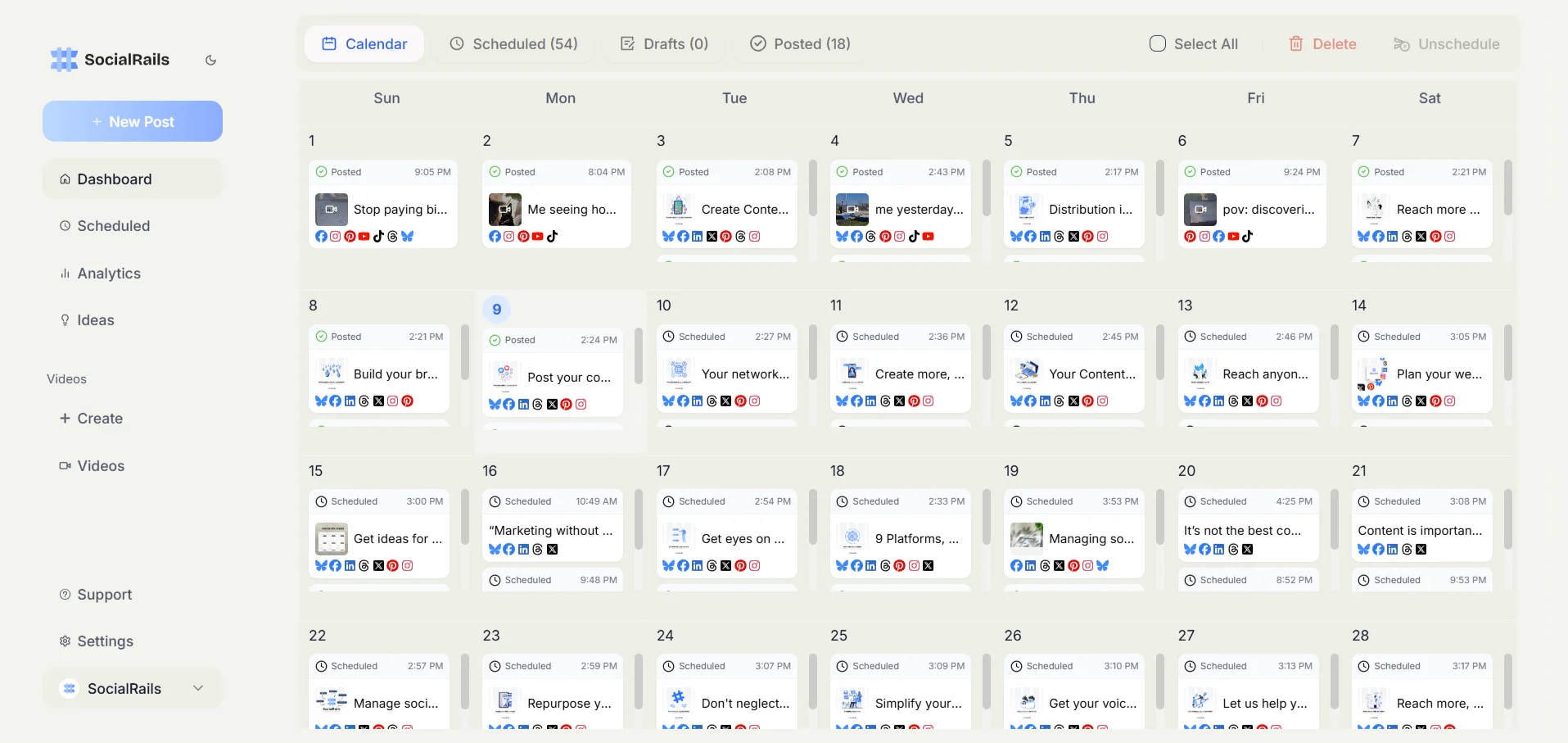
🚀 2024-2026 Campaign Examples (Most Recent)
1. Duolingo: Unhinged TikTok Mascot Campaign (2024)
Campaign Overview: Duolingo's mascot (the green owl) became a TikTok sensation through absurd, chaotic, and sometimes dark humor content that broke all traditional brand rules.
Platform Strategy:
- TikTok: Primary platform with daily unhinged content
- Instagram Reels: Repurposed TikTok content
- Twitter/X: Engagement with trending topics and memes
- YouTube Shorts: Extended mascot storylines
Results:
- 8.4 million TikTok followers gained in 2024
- Average 10+ million views per video
- 72% increase in app downloads from TikTok
- Became most-followed education brand on TikTok
Why It Worked:
- Embraced Gen Z humor and self-awareness
- Consistent posting (multiple times daily)
- Engaged with trends immediately
- Mascot became a recognizable character/personality
Takeaway for Your Business: Don't be afraid to let your brand have personality and humor. Gen Z responds to authenticity and entertainment over corporate polish.
2. Barbie Movie: Pink Everywhere Campaign (2023-2024)
Campaign Overview: Warner Bros transformed the Barbie movie launch into a cultural phenomenon by painting everything pink and partnering with 100+ brands.
Platform Strategy:
- Instagram: User-generated pink content with #BarbieMovie
- TikTok: AI selfie filter that turned users into Barbie posters
- Twitter: Real-time engagement and brand partnerships
- All platforms: Coordinated pink takeover
Results:
- 1.4 billion dollars box office revenue
- 5+ billion social media impressions
- #BarbieMovie trending for 8 consecutive weeks
- 100+ brand collaborations (Airbnb, Crocs, Xbox)
Why It Worked:
- Multi-brand partnerships amplified reach
- User-generated content via viral AI filter
- Cultural moment that transcended the movie
- Nostalgia combined with modern relevance
Takeaway for Your Business: Strategic partnerships and user participation tools (filters, generators) can multiply your campaign's reach exponentially.
3. Liquid Death: Murder Your Thirst Campaign (2024)
Campaign Overview: Canned water brand Liquid Death continued their edgy marketing with absurd collaborations and shocking content that makes water seem dangerous.
Platform Strategy:
- Instagram: Over-the-top product launches
- TikTok: Viral stunts and celebrity partnerships
- YouTube: Long-form comedy content
- Twitter: Provocative brand voice
Results:
- Reached $263 million in revenue (2024)
- 3.2 million Instagram followers
- Sold out limited edition products in minutes
- Secured partnerships with Live Nation and festivals
Why It Worked:
- Differentiated in a boring category (water)
- Consistent brand voice across all content
- Limited edition drops created urgency
- Tapped into alternative/metal culture aesthetics
Takeaway for Your Business: Even in commodity categories, bold branding and consistent personality can create a premium, sought-after product.
4. Spotify Wrapped 2024: Personalized Data Stories
Campaign Overview: Spotify's annual Wrapped campaign gives users shareable personalized listening statistics, creating a viral social media moment.
Platform Strategy:
- Instagram Stories: Optimized shareable graphics
- TikTok: Users reacting to their Wrapped results
- Twitter: Memes and discussions about music taste
- All platforms: User-generated content explosion
Results:
- 425 million users engaged with Wrapped (2024)
- #SpotifyWrapped trended #1 globally
- Billions of shares across social platforms
- 156% increase in app engagement during Wrapped period
Why It Worked:
- Personalization makes users feel special
- Shareable format designed for social media
- Annual tradition users anticipate
- Data visualization is inherently interesting
Takeaway for Your Business: Personalized, shareable content that celebrates your users performs exceptionally well. Create annual traditions your audience looks forward to.
5. Ryanair: Budget Airline Chaos Content (2024)
Campaign Overview: Budget airline Ryanair embraced its reputation for no-frills service through self-deprecating humor and chaotic TikTok content.
Platform Strategy:
- TikTok: Primary platform with trending sound usage
- Instagram: Meme-style content about budget travel
- Twitter: Witty responses to customers and competitors
- All platforms: Embraced "budget airline" reputation
Results:
- 2.3 million TikTok followers in 2024
- Average 5-8 million views per video
- 34% increase in brand sentiment
- Higher engagement than luxury competitors
Why It Worked:
- Self-awareness about brand positioning
- Fast response to trends (posted within hours)
- Relatable content about travel frustrations
- Humanized a traditionally corporate industry
Takeaway for Your Business: Acknowledge your weaknesses with humor and lean into what makes you different, even if it's not "premium."
🎭 Classic Campaign Examples (Proven Strategies)
6. Dove: Real Beauty Sketches
Campaign Overview: Dove created a video showing women describing themselves to a sketch artist versus how strangers described them. The stranger descriptions resulted in more beautiful sketches.
Platform Strategy:
- YouTube: Main video content hub
- Facebook: Shareable emotional content
- Twitter: Discussion and conversation starter
- Instagram: Behind-the-scenes and follow-up content
Results:
- 170+ million views across platforms
- Shared in 110+ countries
- Sparked global conversation about beauty standards
- Increased Dove sales and brand recognition
Why It Worked:
- Emotional storytelling that resonated universally
- Authentic message aligned with brand values
- High-quality video production
- Encouraged sharing and discussion
Takeaway for Your Business: Create content that challenges assumptions and makes people think differently about themselves or your industry.
💼 Small Business Campaign Examples (Under $5,000 Budget)
7. Local Coffee Shop: "Name Our Drink" Contest
Campaign Overview: Independent coffee shop ran a TikTok contest asking customers to create and name a new seasonal drink.
Platform Strategy:
- TikTok: Contest announcement and entries
- Instagram Stories: Daily voting
- In-store: QR codes linking to social contest
Budget: $1,200 (prizes and promotion)
Results:
- 847 user-submitted drink ideas
- 156,000 total views across content
- 23% increase in foot traffic during campaign
- Winner's drink became permanent menu item
Why It Worked:
- Low barrier to entry (anyone can suggest a drink). For running your own viral contests with referral mechanics, see our UpViral review or cheaper alternatives
- Community involvement in business decisions
- User-generated content provided free marketing
- Winner received free drinks for a year (low cost, high value)
Takeaway for Your Business: Ask your customers to participate in product decisions. The engagement and content generated far exceed the cost.
8. Gym Owner: 30-Day Transformation Challenge
Campaign Overview: Local gym documented real members' 30-day transformations with daily updates and honest progress posts.
Platform Strategy:
- Instagram: Daily progress photos
- Facebook Group: Private community for participants
- TikTok: Quick tip videos from trainers
Budget: $800 (prizes for participants who completed challenge)
Results:
- 43 participants signed up
- 34 completed the full 30 days
- 127 new gym memberships attributed to campaign
- 245% ROI from new member signups
Why It Worked:
- Real people, real results (no fake before/afters)
- Daily content kept audience engaged
- Private Facebook group built community
- Showcased gym expertise and member support
Takeaway for Your Business: Document real customer results rather than making claims. Authenticity builds trust faster than polished marketing.
9. Boutique Clothing Store: "Style Your Way" Challenge
Campaign Overview: Local boutique sent one piece to 10 local micro-influencers asking them to style it their way and tag the shop.
Platform Strategy:
- Instagram: Influencer posts and Stories
- TikTok: "Get Ready With Me" style videos
- In-store: Featured influencers' styling ideas
Budget: $2,400 ($200 per influencer + item value)
Results:
- Reached 89,000 local followers
- 1,200+ clicks to shop website
- $18,400 in tracked sales from campaign
- 5 ongoing influencer partnerships formed
Why It Worked:
- Micro-influencers have engaged local audiences
- One item styled 10 different ways showed versatility
- Personal styling inspiration drove purchases
- Budget-friendly compared to paid ads
Takeaway for Your Business: Partner with local micro-influencers (1,000-10,000 followers) rather than expensive macro-influencers. Better engagement and ROI.
10. ALS Ice Bucket Challenge
Campaign Overview: Participants dumped ice water over their heads, donated to ALS research, and nominated others to do the same.
Platform Strategy:
- Facebook: Video sharing and nominations
- Instagram: Photo and video posts
- Twitter: Hashtag tracking and celebrity participation
- YouTube: Compilation videos and celebrity content
Results:
- Raised over $115 million for ALS research
- 17 million people participated
- 2.4 million tagged videos on Facebook
- Global celebrity participation
Why It Worked:
- Simple, easy-to-participate format
- Social pressure and nominations created viral loop
- Clear charitable cause with emotional impact
- Celebrity participation increased credibility
Takeaway for Your Business: Create campaigns with clear participation steps and social elements that encourage people to tag friends.
3. Coca-Cola: Share a Coke
Campaign Overview: Coca-Cola replaced their logo with popular names on bottles and cans, encouraging people to find and share bottles with friends' names.
Platform Strategy:
- Instagram: Photo sharing with personalized bottles
- Facebook: Name searches and sharing with friends
- Twitter: Real-time conversations and requests
- Snapchat: Personal moments with named bottles
Results:
- 500,000+ photos shared using #ShareaCoke
- 6% increase in young adult consumption
- 7% increase in Coca-Cola sales
- Campaign expanded to 80+ countries
Why It Worked:
- Personalization made product feel special
- Natural photo-sharing opportunity
- Easy hashtag to remember and use
- Physical product tied to digital campaign
Takeaway for Your Business: Add personalization elements to your products or services that naturally encourage social sharing.
4. Nike: Just Do It (Colin Kaepernick)
Campaign Overview: Nike featured Colin Kaepernick with the tagline "Believe in something. Even if it means sacrificing everything."
Platform Strategy:
- Instagram: Powerful imagery and storytelling
- Twitter: Real-time engagement and discussion
- YouTube: Extended video content and documentaries
- Facebook: Community building and conversation
Results:
- 31% increase in online sales following campaign
- Stock price increased 5% within weeks
- Billions of social media impressions
- Strengthened brand loyalty among target audience
Why It Worked:
- Bold stance aligned with brand values
- Generated massive discussion (positive and negative)
- Targeted specific audience segment effectively
- Authentic partnership with relevant spokesperson
Takeaway for Your Business: Don't be afraid to take stands on issues important to your audience, but be prepared for both support and criticism.
5. Wendy's: Twitter Roasts
Campaign Overview: Wendy's became known for witty, sometimes savage responses to customers and competitors on Twitter.
Platform Strategy:
- Twitter: Primary platform for real-time engagement
- Instagram: Screenshots of best Twitter moments
- TikTok: Video content featuring Twitter personality
- Facebook: Community sharing of Twitter highlights
Results:
- Millions of followers gained across platforms
- Massive engagement rates on tweets
- Increased brand awareness among younger demographics
- Multiple viral moments and memes created
Why It Worked:
- Consistent brand voice and personality
- Real-time engagement with current events
- Humor that resonated with target audience
- Willingness to take risks with content
Takeaway for Your Business: Develop a distinctive brand voice and don't be afraid to show personality, but know your audience and limits.
6. Old Spice: The Man Your Man Could Smell Like
Campaign Overview: Series of absurd, over-the-top commercials featuring Isaiah Mustafa in impossible scenarios.
Platform Strategy:
- YouTube: Main video content and extended versions
- TV: Traditional advertising reach
- Facebook: Shareable video content
- Twitter: Real-time responses and engagement
Results:
- 40+ million YouTube views for main video
- 107% increase in body wash sales
- 2,700% increase in Twitter followers
- Cultural phenomenon and meme creation
Why It Worked:
- Absurd humor that demanded attention
- High production value and creativity
- Memorable character and catchphrases
- Multi-platform content strategy
Takeaway for Your Business: Sometimes being completely unexpected and absurd can break through the noise, if done with quality and consistency.
🎭 Campaign Types That Work
User-Generated Content Campaigns
GoPro: Photo of the Day
- Customers submit action photos and videos
- Daily features on all social platforms
- Creates continuous content stream
- Builds community of brand advocates
Starbucks: White Cup Contest
- Customers decorated plain white cups
- Shared photos with branded hashtag
- Winner's design became limited edition cup
- Generated thousands of creative submissions
Success Elements:
- Clear submission guidelines
- Regular featuring of user content
- Prizes or recognition for participants (tools like UpViral can automate prize tracking and referral chains)
- Easy hashtag to track submissions
- Content calendar planning tools for consistent campaign execution (see our Loomly vs SocialRails comparison for campaign planning features)
Seasonal and Holiday Campaigns
Oreo: Daily Twist (100th Birthday)
- Daily creative cookie photos for 100 days
- Celebrated different holidays and events
- Real-time marketing during Super Bowl blackout
- Maintained consistent creative quality
Spotify: Year in Music
- Personalized user listening statistics
- Shareable infographics and stories (learn how to leverage visual content strategies for maximum impact)
- Annual tradition users anticipate
- Data-driven storytelling approach
Success Elements:
- Timing aligned with relevant occasions
- Personalized or relevant content (especially for millennials)
- Shareable format optimized for social with effective brand activation
- Annual or recurring campaign building anticipation
Cause Marketing Campaigns
Ben & Jerry's: Climate Change Activism
- Consistent messaging about environmental issues
- Product tie-ins with environmental themes
- Partnerships with environmental organizations
- Long-term commitment beyond single campaigns
Patagonia: Don't Buy This Jacket
- Black Friday campaign discouraging overconsumption
- Aligned with brand values of sustainability
- Generated discussion about consumption habits
- Paradoxical approach that increased brand loyalty
Success Elements:
- Authentic alignment with brand values
- Long-term commitment to cause
- Actions beyond just social media posts
- Willingness to prioritize values over short-term sales
💰 Campaign Budget Breakdown by Business Size
Budget Reality Check
Campaign ROI Expectations
Realistic targets based on campaign type:
User-Generated Content Campaigns:
- Investment: $0-$2,000
- Expected ROI: 300-500%
- Timeline: 2-4 weeks
Influencer Campaigns:
- Investment: $2,000-$20,000
- Expected ROI: 200-400%
- Timeline: 1-3 months
Paid Advertising Campaigns:
- Investment: $5,000-$50,000
- Expected ROI: 150-300%
- Timeline: 1-2 months
Organic Viral Campaigns:
- Investment: $500-$5,000 (time + content creation)
- Expected ROI: Unpredictable (0% to 10,000%+)
- Timeline: 1 week to 6 months
📋 Free Campaign Templates (Download & Customize)
Template 1: User-Generated Content Campaign
Campaign Name: [Your Brand] Challenge Duration: 2-4 weeks Primary Platform: TikTok / Instagram Budget: $500-$2,000
Week 1:
- Create announcement video explaining challenge
- Define clear rules and hashtag
- Reach out to 10 engaged followers to participate first
- Post daily examples
Week 2:
- Feature 3 user submissions daily
- Engage with all entries (likes, comments, shares)
- Create compilation videos of best entries
- Announce mid-campaign winners
Week 3:
- Increase frequency of user features
- Partner with micro-influencer to participate
- Create behind-the-scenes content
- Remind audience of final deadline
Week 4:
- Announce final winners
- Create highlight reel of all submissions
- Thank all participants publicly
- Plan follow-up campaign based on insights
Success Metrics:
- Submissions: 100+
- Hashtag uses: 500+
- Reach: 50,000+
- New followers: 500+
Template 2: Small Business Launch Campaign
Campaign Name: New [Product/Service] Launch Duration: 3 weeks (1 week pre-launch, 2 weeks post) Primary Platform: Instagram + Email Budget: $1,000-$3,000
Pre-Launch Week:
- Teaser posts (3x) with countdown
- Behind-the-scenes content
- Email list warm-up sequence
- Influencer preview partnerships
Launch Week:
- Launch announcement across all platforms
- Live stream or video walkthrough
- Limited-time launch offer (24-48 hours)
- User testimonials/early reviews
Post-Launch Week:
- Customer feature posts
- FAQ content addressing questions
- Comparison content showing benefits
- Thank you campaign for early adopters
Success Metrics:
- Pre-launch email signups: 500+
- Launch day sales: 20% of target
- Social engagement rate: 5%+
- Customer testimonials collected: 10+
Template 3: Seasonal/Holiday Campaign
Campaign Name: [Holiday] Special Duration: 4 weeks Primary Platform: All social + Email Budget: $2,000-$5,000
Week 1 (4 weeks before):
- Announce holiday campaign theme
- Create holiday-themed content calendar
- Design branded holiday graphics
- Plan influencer collaborations
Week 2-3 (2-3 weeks before):
- Daily holiday-themed posts
- Gift guides and product showcases
- Customer story features
- Countdown to special offers
Week 4 (Holiday week):
- Launch special offers/discounts
- Daily engagement campaigns
- Live shopping or Q&A sessions
- Last-minute gift reminder content
Success Metrics:
- Holiday sales vs. regular month: +50%
- Social reach during campaign: 2x normal
- Email open rates: 25%+
- Customer acquisition cost: -20%
📊 Campaign Measurement and Analysis
Key Metrics to Track
Awareness Metrics:
- Reach: Total people who saw campaign content
- Impressions: Total times content was displayed
- Hashtag mentions: Volume of branded hashtag usage
- Share of voice: Compared to competitors during campaign
Engagement Metrics:
- Engagement rate: Likes, comments, shares divided by reach
- User-generated content: Volume of customer-created content
- Comments sentiment: Positive vs. negative response
- Video completion rate: Percentage who watched full videos
Conversion Metrics:
- Website traffic: Visits from social media
- Lead generation: Email signups or contact forms
- Sales attribution: Revenue tied to campaign
- Customer acquisition cost: Cost per new customer gained
Campaign Analysis Framework
Pre-Campaign Planning:
- Define clear objectives with our Strategic Goal Planner and set measurable success metrics
- Research target audience behavior and preferences
- Analyze competitor campaigns for insights
- Set realistic budgets and resource allocation
- Plan content calendar and posting schedule (remember the marketing rule of 7 - plan for repeated touchpoints, not one-off posts)
Build your campaign foundation with proven marketing strategy frameworks that help you set clear goals and measure success systematically.
During Campaign Execution:
- Monitor real-time engagement and adjust quickly
- Respond to comments and community feedback
- Track hashtag performance and trending topics
- Document lessons learned for future optimization
- Maintain consistent posting and engagement schedule
Post-Campaign Review:
- Compile comprehensive results across all metrics with our Quarterly Review Template
- Analyze what content performed best and why
- Calculate return on investment and cost effectiveness
- Document insights for future campaign planning
- Assess business health with our Business Health Score to measure campaign impact on revenue and growth
- Plan follow-up campaigns to maintain momentum
🎯 Creating Your Own Viral Campaign
Planning Phase
Audience Research:
- Study your audience's social media behavior
- Identify platforms where they're most active
- Understand their interests, values, and pain points
- Analyze successful campaigns in your industry
Content Strategy:
- Choose campaign theme that aligns with brand values
- Plan content mix for different platforms
- Create consistent visual identity and messaging
- Develop hashtag strategy and tracking plan
- Build a comprehensive marketing communication strategy to ensure campaign messages remain consistent across all touchpoints
- Time campaigns with seasonal moments using our January, February, Labor Day, and Fall content calendars for maximum relevance
Resource Allocation:
- Set realistic budget for content creation and advertising
- Assign team members specific roles and responsibilities
- Plan timeline with key milestones and deadlines
- Prepare crisis management plan for negative feedback
Execution Best Practices
Platform Optimization:
- Instagram: High-quality visuals and Stories content
- TikTok: Trending sounds and authentic video content
- Twitter: Real-time engagement and conversation
- Facebook: Shareable content and community building
- LinkedIn: Professional angle and industry insights
Beyond social media, successful campaigns integrate multiple touchpoints. Learn how to select and optimize all digital marketing channels for maximum campaign impact.
Engagement Strategy:
- Respond to comments and messages promptly
- Share user-generated content regularly
- Collaborate with influencers and brand ambassadors - check out our micro influencer list for partnership opportunities
- Monitor mentions and hashtags continuously
Content Distribution:
- Post at optimal times for each platform
- Repurpose content across different formats
- Use platform-specific features (Stories, Reels, etc.)
- Maintain consistent posting schedule
Scaling Successful Campaigns
Performance Indicators:
- High engagement rates early in campaign
- Increasing user-generated content submissions
- Positive sentiment in comments and mentions
- Growth in followers and brand mentions
Scaling Strategies:
- Increase advertising budget for high-performing content
- Partner with influencers to expand reach
- Create extended content series or sequels
- Adapt campaign for different markets or demographics
Long-term Integration:
- Incorporate successful elements into regular content strategy
- Build campaign themes into annual marketing calendar
- Create follow-up campaigns that build on initial success
- Use campaign insights to inform future strategies
🚀 Ready to Create Your Viral Campaign?
Study these examples and adapt the strategies that align with your brand values and audience preferences. Remember that viral success often comes from authentic content that resonates emotionally with your audience.
Campaign Launch Checklist:
- Define clear goals: What do you want to achieve?
- Know your audience: Where are they and what do they care about?
- Create quality content: Invest in good visuals and messaging
- Plan distribution: Use multiple platforms strategically
- Engage actively: Respond and participate in conversations
- Track results: Measure performance and optimize
Frequently Asked Questions
What makes a social media campaign go viral?
Viral campaigns typically combine emotional storytelling, easy participation, social sharing elements, and perfect timing. Key factors include creating content that makes people feel something, providing clear participation steps, and leveraging current trends or cultural moments.
How much budget do I need for a successful social media campaign?
Campaign budgets vary widely depending on goals and scale. Small businesses can create successful campaigns with $1,000-$5,000, while major brand campaigns may require $50,000+. Focus on creative content and audience targeting rather than just budget size.
How long should a social media campaign run to be effective?
Most successful campaigns run 2-8 weeks. Short campaigns (1-2 weeks) work for product launches or time-sensitive promotions, while longer campaigns (4-8 weeks) are better for brand awareness or behavior change initiatives. Monitor performance and adjust duration accordingly.
Should I run campaigns on all social media platforms simultaneously?
Not necessarily. It's better to focus on 2-3 platforms where your audience is most active rather than spreading thin across all platforms. Adapt your campaign content for each platform's unique format and audience preferences for better results.
How do I measure if my social media campaign was successful?
Track metrics aligned with your campaign goals: reach and impressions for awareness, engagement rate for community building, website traffic for lead generation, and conversions for sales. Set specific targets before launching and measure against those benchmarks.
What should I do if my campaign receives negative feedback?
Respond quickly and professionally to criticism, acknowledge valid concerns, and be prepared to adjust your strategy if needed. Have a crisis management plan ready, monitor mentions closely, and remember that some controversy can actually increase campaign visibility.
Can small businesses create campaigns as effective as major brands?
Yes, small businesses can create highly effective campaigns by focusing on authentic storytelling, local community engagement, and niche audiences. Examples like local challenges or customer spotlight campaigns often outperform big-budget productions in engagement and loyalty building.
How do I create user-generated content for my campaign?
Create clear hashtags, offer incentives or recognition, make participation easy with simple guidelines, and actively feature user submissions. Successful UGC campaigns provide clear instructions, showcase participants regularly, and create a sense of community around your brand.
Ready to plan your campaign? Grab our free social media campaign template or check out our Social Media Strategy Template. For event-based campaigns, see our event marketing on social media playbook. For industry-specific campaigns, see our dental social media campaigns and social media for charities guides. For viral referral campaigns, compare tools in our Viral Loops review or UpViral review.
Optimize Your Campaign CTAs: Every successful campaign needs compelling calls-to-action. Generate platform-optimized CTAs with our free tools:
- Instagram CTA Generator - Perfect for Stories, posts, and Reels campaigns
- Facebook CTA Generator - Optimize for ads and community campaigns
- TikTok CTA Generator - Create viral CTAs for challenge campaigns
- X/Twitter CTA Generator - Character-optimized CTAs for trending campaigns
- LinkedIn CTA Generator - Professional CTAs for B2B campaigns
- YouTube CTA Generator - Creator-style CTAs for video campaigns
Was this article helpful?
Let us know what you think!