
Turn Your Executive Email Into a LinkedIn Opinion
Transform internal communications into thought leadership content. Your best leadership moments deserve a bigger audience.
Email to LinkedIn Converter
Paste your email and we'll extract the thought leadership angle
0 characters • Confidential details will be removed automatically
Your Leadership Moments Deserve a Bigger Audience
Paste an email above to transform it into thought leadership content. Internal insights often make the best public posts.
Complete Your Social Media Toolkit
Maximize your social media success with our other free tools
Your Best Content Is Already Written
Think about the emails you send every week. Team updates. Strategic decisions. Feedback to direct reports. Responses to challenging situations.
Each one contains thought leadership gold.
The problem? It stays locked in inboxes while you struggle to come up with "content ideas" for LinkedIn.
This tool fixes that. Take what you've already written and transform it into posts that build your personal brand.
Why Email-to-LinkedIn Works So Well
It's Authentic
You're not making things up. You're sharing real decisions, real lessons, real leadership moments. That authenticity resonates.
It's Efficient
You've already done the hard work of articulating the thought. Now you're just reformatting it for a different audience.
It's Specific
The best thought leadership comes from specific situations, not abstract theorizing. Emails are inherently situational.
It's Consistent
You send emails every day. That's a constant stream of potential content. Combine this with your Slack messages and you'll never run out of ideas again.
What Makes Internal Emails Great Content
Team Announcements
When you explain a change to your team, you're forced to be clear about the "why." That explanation is content.
Example transformation: "We're shifting our strategy because..." becomes "Here's why we made a major strategic pivot (and what we learned)."
Feedback Emails
The way you coach your team reveals your leadership philosophy. Those principles apply beyond your organization.
Example transformation: Feedback about prioritization becomes "The prioritization framework I use with my team."
Customer/Partner Responses
How you handle difficult situations demonstrates your values in action. That's more compelling than stating values directly.
Example transformation: A difficult customer conversation becomes "How I handle it when a customer is upset."
Strategy Memos
Your strategic thinking is valuable. Generalized versions can help others facing similar decisions.
Example transformation: Internal market analysis becomes "What I look for when evaluating market opportunities."
The Art of Generalizing Without Losing Specificity
The key to transforming internal content is finding the universal lesson in a specific situation.
Keep the Structure
If your email had a clear argument structure, keep it. "Here's the situation, here's what we considered, here's why we decided X" works publicly too.
Remove the Nouns, Keep the Verbs
Replace company names, product names, and specific numbers with generic terms. But keep the actions and decisions—those are the interesting part.
Add the "So What"
Internal emails assume context. Public posts need explicit takeaways. "Here's what this means for you" bridges the gap.
Include Your Reasoning
The "why" behind decisions is often more valuable than the "what." Make sure your public version includes your thought process.
Common Mistakes When Repurposing Emails
Staying Too Specific
If readers can't apply the lesson to their own situation, the post fails. Always ask: "Would this help someone who doesn't work at my company?"
Being Too Vague
Over-generalizing removes the credibility that came from the specific situation. Keep enough detail to show this is based on real experience.
Forgetting the Hook
Internal emails don't need to grab attention—the recipient is already reading. Public posts need a strong opening line. Use our LinkedIn hook generator to create attention-grabbing openers.
Missing the Discussion Trigger
Emails often end with action items. LinkedIn posts should end with questions or invitations to share perspectives.
Frequently Asked Questions
What types of emails work best for this tool?
The best emails to transform are those containing leadership insights, strategic decisions, feedback to team members, lessons learned, and company announcements. Any email where you're sharing wisdom or perspective can become thought leadership content.
How do you handle confidential information in the email?
The tool automatically generalizes specific company details into universal business lessons. We recommend reviewing the generated content before posting to ensure no confidential information remains. The goal is to extract the insight, not the specifics.
Why should executives turn emails into LinkedIn content?
Your internal communications already contain valuable leadership insights. By repurposing them, you get content that's authentic (based on real situations), efficient (you've already done the thinking), and engaging (real-world examples resonate more than abstract advice).
How is this different from a regular LinkedIn post generator?
Regular post generators start from scratch. This tool starts from content you've already created, extracting the core insight and transforming it into a format optimized for public consumption. It's content repurposing specifically designed for leadership communications.
How often should I use this approach?
Not every email is worth turning into content. Look for emails where you surprised yourself with a clear articulation of something you believe. Those are the ones worth repurposing.
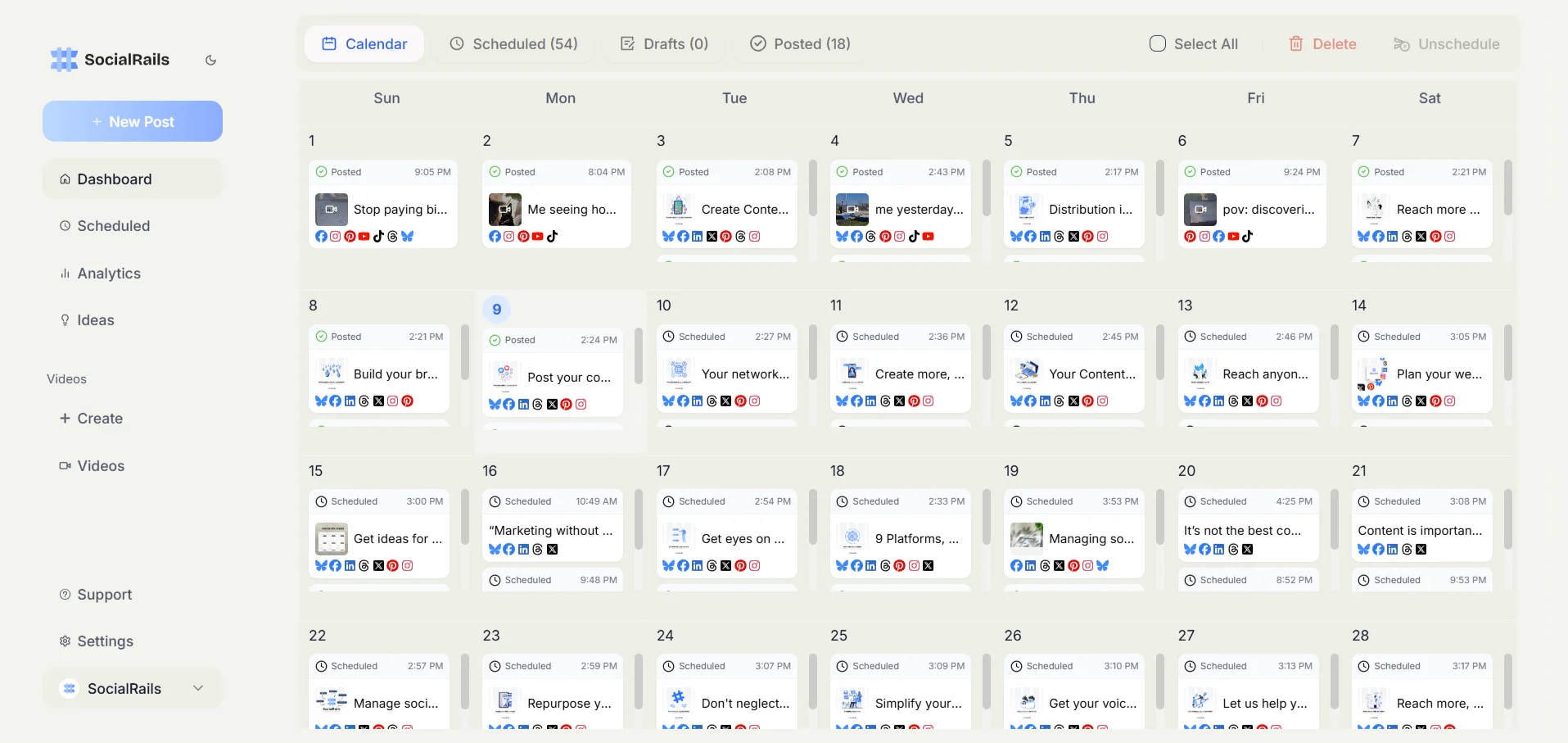
Create content, post everywhere
Create captions, images, and videos with AI. Schedule to 9 platforms in seconds.
Start your free trial