

Emotional Marketing: 25 Powerful Examples That Drive Sales (2026 Guide)

TL;DR - Quick Answer
17 min readEmotions drive decisions. Rational justification comes after.
People don't buy products. They buy feelings.
Nike doesn't sell shoes—they sell achievement. Apple doesn't sell phones—they sell belonging.
Create content, post everywhere
Create captions, images, and videos with AI. Schedule to 9 platforms in seconds.
Start your free trial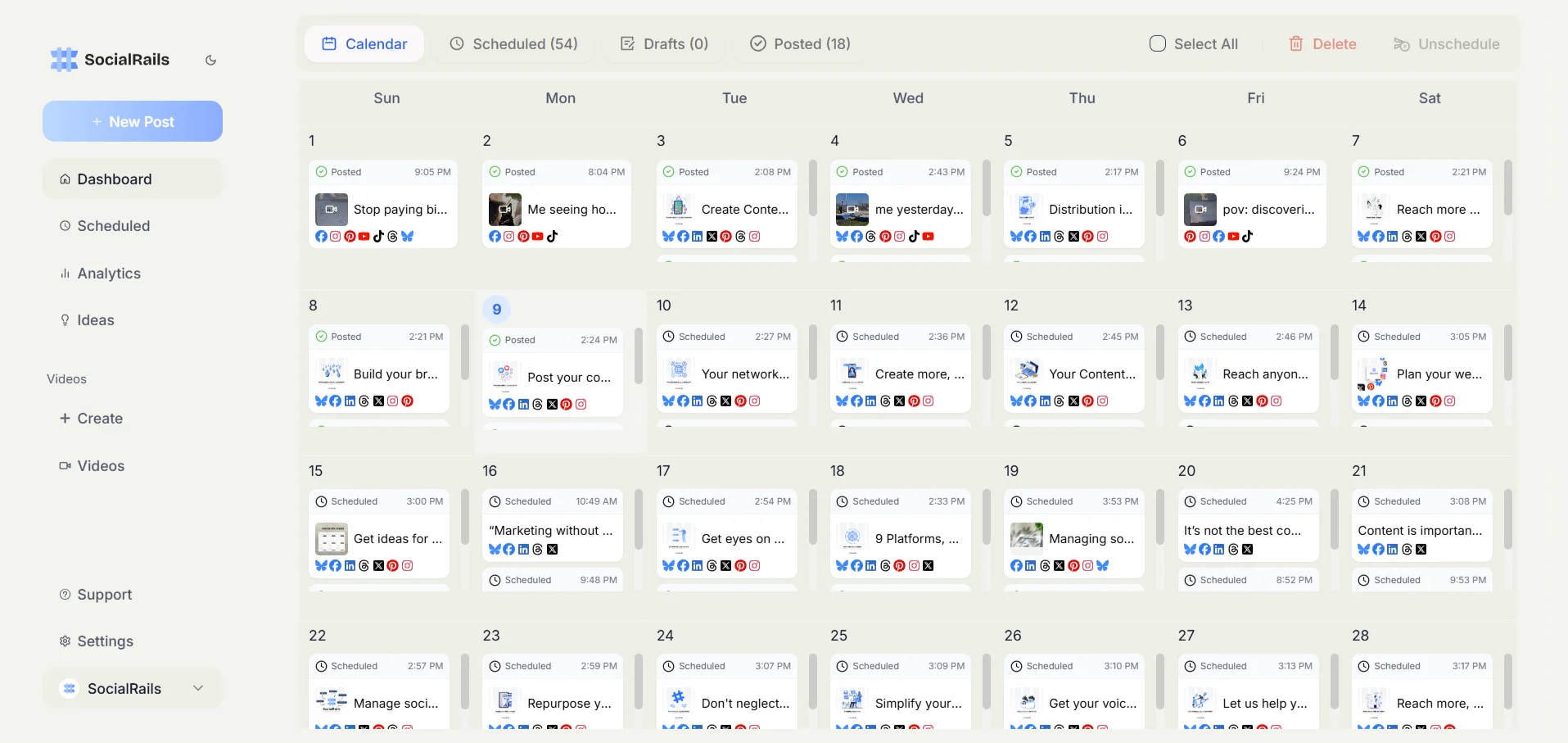
This guide shows you 25 real examples of emotional marketing and how to use them. For more, see FOMO marketing strategies.
What Is Emotional Marketing?
Emotional marketing uses emotions—happiness, fear, anger, surprise, sadness, trust—to connect with customers and drive action.
Instead of listing features, emotional marketing tells stories that make people feel something.
Why Emotional Marketing Works
Your brain processes emotions faster than rational thought. The limbic system (emotion) activates before the prefrontal cortex (logic) can intervene.
According to the IPA (Institute of Practitioners in Advertising) Effectiveness Databank, emotional campaigns tend to generate stronger long-term profit gains than purely rational ones.
Why does 'Because you're worth it' work better than '20% off this weekend'?
💡 Tip: Think carefully before selecting your answer!
The 6 Core Emotions in Marketing
Happiness
Example: Coca-Cola's "Open Happiness" associated their product with joyful moments.
Fear
Example: ADT security shows break-in scenarios, triggering protective instincts.
Sadness
Example: ASPCA's animal rescue ads generate $30M+ annually through empathy.
Anger
Example: Always' "Like a Girl" challenged gender stereotypes, earning 90M+ views.
Surprise
Example: Burger King's "Moldy Whopper" showed decomposing food—earned $40M in free media.
Trust
Example: Patagonia's environmental transparency enables premium pricing.
Which emotion would work best for a home security company?
💡 Tip: Think carefully before selecting your answer!
25 Emotional Marketing Examples That Convert
Happiness-Based Examples
1. Apple - "Shot on iPhone" User-generated photos showcase life's beautiful moments. Apple connects their product to creativity and memory-making rather than megapixels.
- Result: Became one of Apple's most successful and long-running campaigns
- Tactic: User-generated content + celebration of creativity
2. Airbnb - "Belong Anywhere" Focuses on human connection and belonging rather than booking accommodations.
- Result: Helped establish Airbnb as a lifestyle brand, not just a booking platform
- Tactic: Storytelling + community building
3. Dove - "Real Beauty" Celebrates diverse beauty, making women feel accepted and seen.
- Result: Became one of the most recognized brand campaigns in advertising history
- Tactic: Challenging beauty standards + inclusion
4. Spotify - "Wrapped" Creates personalized music memories that users share enthusiastically.
- Result: Millions of organic social shares annually, trending every December
- Tactic: Personalization + nostalgia + social sharing
5. Google - "Year in Search" Annual compilation of emotional search moments connecting brand to human experience.
- Result: Consistently among the most-watched branded content each year
- Tactic: Documentary storytelling + shared human experience
Fear-Based Examples
6. WWF - "Stop Climate Change" Shocking visuals of environmental destruction drive donations.
- Result: Significant increase in donations and awareness during campaigns
- Tactic: Visceral imagery + urgency messaging
7. Allstate - "Mayhem" Personified disasters create awareness of life's risks.
- Result: The Mayhem character became one of advertising's most recognizable mascots
- Tactic: Humor + fear + memorable character
8. Anti-Smoking Campaigns Graphic health consequences drive behavior change.
- Result: Contributed to significant declines in smoking rates over decades
- Tactic: Fear appeals + social proof
9. LifeLock - Identity Theft CEO publicly shared his social security number—then got his identity stolen 13 times.
- Result: The drama (and subsequent failures) generated massive awareness
- Tactic: Demonstration + risk visualization
10. Michelin - "Because So Much Is Riding on Your Tires" Baby imagery connects tire safety to protecting loved ones.
- Result: Market leadership maintained for decades
- Tactic: Protective instinct + emotional stakes
Sadness-Based Examples
11. John Lewis Christmas Ads Annual emotional stories about love, connection, and giving.
- Result: Became a UK cultural phenomenon, with ads eagerly anticipated each year
- Tactic: Storytelling + seasonal emotion + anticipation
12. Thai Life Insurance Ads Emotional storytelling about family sacrifice and love.
- Result: Viral success globally, with individual ads reaching tens of millions of views
- Tactic: Family stories + cultural values + surprise endings
13. Google - "Loretta" Elderly man uses Google Assistant to remember his late wife.
- Result: Named one of the most memorable Super Bowl ads of its year
- Tactic: Loss + love + product utility
14. Extra Gum - "Origami" Love story told through gum wrapper origami over years.
- Result: Widely shared, won multiple advertising awards
- Tactic: Long-term relationship + small gestures
15. P&G - "Thank You, Mom" Olympics campaign celebrating mothers' sacrifices for athletes.
- Result: Became P&G's signature Olympic campaign, running for multiple games
- Tactic: Gratitude + sacrifice + achievement
Anger-Based Examples
16. Nike - Colin Kaepernick "Believe in something. Even if it means sacrificing everything."
- Result: Generated massive cultural conversation and strengthened connection with core audience
- Tactic: Social justice stance + polarization + authenticity
17. Patagonia - "Don't Buy This Jacket" Anti-consumerism message challenged shopping culture.
- Result: Became a defining example of values-based marketing
- Tactic: Counter-intuitive messaging + values alignment
18. REI - "Opt Outside" Closed stores on Black Friday, encouraging outdoor time instead.
- Result: Created an annual movement with millions of participants
- Tactic: Anti-establishment + values + movement creation
19. Burger King - "Whopper Detour" Sent customers to McDonald's locations to unlock Whopper deal.
- Result: Drove significant app downloads and won multiple advertising awards
- Tactic: Competitor trolling + gamification
20. Heineken - "Worlds Apart" Paired people with opposing political views for discussion.
- Result: Went viral, praised for its thoughtful approach to divisive topics
- Tactic: Social division awareness + hope + dialogue
Trust-Based Examples
21. Patagonia - Supply Chain Transparency Shows exactly where products come from and environmental impact.
- Result: Built strong customer loyalty and brand trust
- Tactic: Radical transparency + values alignment
22. Everlane - "Radical Transparency" Breaks down exact cost of each product component.
- Result: Built a loyal customer base through trust and openness
- Tactic: Price transparency + ethical manufacturing
23. Warby Parker - "Buy a Pair, Give a Pair" Social mission integrated into business model.
- Result: Became a category-defining D2C brand
- Tactic: Social impact + accessibility
24. TOMS - "One for One" Original buy-one-give-one model created emotional purchase connection.
- Result: Pioneered the social enterprise model in consumer goods
- Tactic: Direct impact visualization + purchase meaning
25. Basecamp - "We Don't Sell Ads" Transparent about not selling user data, differentiating from big tech.
- Result: Strong customer trust, premium pricing acceptance
- Tactic: Privacy stance + anti-establishment positioning
How to Create Emotional Marketing Campaigns
Choose Your Emotion
Story Structure
Every emotional ad follows this:
- Setup: Relatable situation
- Tension: Emotional challenge
- Resolution: Transformation with your product
- CTA: Channel emotion into action
What's the correct order for an emotional marketing story?
💡 Tip: Think carefully before selecting your answer!
Emotional Branding: Building Long-Term Connection
What Is Emotional Branding?
Emotional branding goes beyond individual campaigns to create lasting emotional associations with your entire brand.
While emotional marketing creates feelings in the moment, emotional branding builds emotional equity over time.
Examples of strong emotional brands:
- Apple: Creativity, innovation, status
- Nike: Achievement, determination, empowerment
- Disney: Magic, nostalgia, family
- Harley-Davidson: Freedom, rebellion, brotherhood
Building Your Emotional Brand
1. Define your brand emotion What single emotion do you want customers to feel when they think of you?
2. Consistency across touchpoints Every interaction—website, support, packaging, social—should reinforce that emotion.
3. Tell origin stories Why does your brand exist? What injustice are you fighting? What change are you creating?
4. Create rituals Starbucks names, Apple unboxing, Spotify Wrapped—rituals create emotional memories.
5. Build community Shared identity creates belonging. Harley owners groups, Apple fans, Nike runners.
Common Emotional Marketing Mistakes
1. Forcing Emotion
Problem: Trying to make people feel something that doesn't connect to your product Fix: Ensure emotional appeal connects logically to what you sell
2. Emotional Manipulation
Problem: Using emotions to deceive or exploit Fix: Be authentic—audiences detect manipulation and backlash is severe
3. Inconsistency
Problem: Emotional campaign contradicts brand experience Fix: Ensure product and service deliver on emotional promise
4. Wrong Emotion for Audience
Problem: Using fear when your audience responds to aspiration Fix: Research your audience's emotional landscape first
5. All Emotion, No Action
Problem: Great emotional response but no conversion Fix: Always channel emotion into clear next step
Measuring Emotional Marketing Success
Quantitative Metrics
- Engagement rate (likes, shares, comments)
- View-through rate on video
- Brand search volume increase
- Conversion rate vs rational campaigns
- Customer lifetime value changes
Qualitative Metrics
- Sentiment analysis of comments and mentions
- Brand perception surveys before/after
- Focus groups on emotional response
- Social listening for organic conversation
Emotional Marketing by Industry
E-commerce
Best emotions: Excitement, trust, urgency Tactics: Unboxing experiences, user reviews, limited editions
SaaS/B2B
Best emotions: Trust, relief, pride Tactics: Customer success stories, risk reduction messaging, achievement recognition
Healthcare
Best emotions: Hope, trust, relief Tactics: Patient stories, doctor endorsements, outcome visualization
Finance
Best emotions: Security, trust, aspiration Tactics: Family protection messaging, transparency, dream visualization
Nonprofit
Best emotions: Sadness, anger, hope Tactics: Victim stories, injustice exposure, impact visualization
Start Your Emotional Marketing Strategy
Week 1: Research
- Survey customers about emotional needs
- Analyze competitors' emotional positioning
- Define your core brand emotion
Week 2: Strategy
- Map emotional journey for each customer stage
- Identify story opportunities
- Choose primary and secondary emotions
Week 3: Create
- Develop emotional messaging framework
- Create first emotional campaign
- Build testing plan
Week 4: Launch & Learn
- A/B test emotional vs current approach
- Monitor sentiment and engagement
- Iterate based on response
Related Guides
- FOMO Marketing: How to Create Urgency That Converts
- Social Proof Marketing: Build Trust That Sells
- Power Words That Drive Sales
- Creating Urgency in Sales
- Value Proposition Examples
Key Takeaways
- Emotions drive decisions. Rational justification comes after.
- Match emotion to goal. Different emotions drive different actions.
- Be authentic. Audiences detect and punish manipulation.
- Build emotional brand equity. Consistency over time creates lasting connection.
- Measure both feeling and action. Engagement AND conversion matter.
The brands that win don't just sell products—they make people feel something. Start with one emotion, one story, one campaign. Test, learn, and build from there.
Was this article helpful?
Let us know what you think!