
Facebook Pros and Cons: Honest Guide for Businesses [2026]

Quick Facebook Overview
Biggest Advantages:
- Massive reach, 3+ billion monthly active users worldwide
- Powerful ad targeting, Most advanced targeting options of any platform
- Groups & community, Build loyal communities around your brand
- Diverse content formats, Text, photos, video, Stories, Reels, Live, Events
- Marketplace & Shopping, Built-in commerce features
Main Drawbacks:
- Organic reach is near-dead, Average page post reaches 2-5% of followers
- Pay-to-play model, Need ad budget to reach your own audience
- Losing younger users, Gen Z prefers TikTok and Instagram
- Algorithm dependency, One update can tank your reach overnight
- Privacy concerns, Ongoing trust issues affect brand perception
Create content, post everywhere
Create captions, images, and videos with AI. Schedule to 9 platforms in seconds.
Start your free trial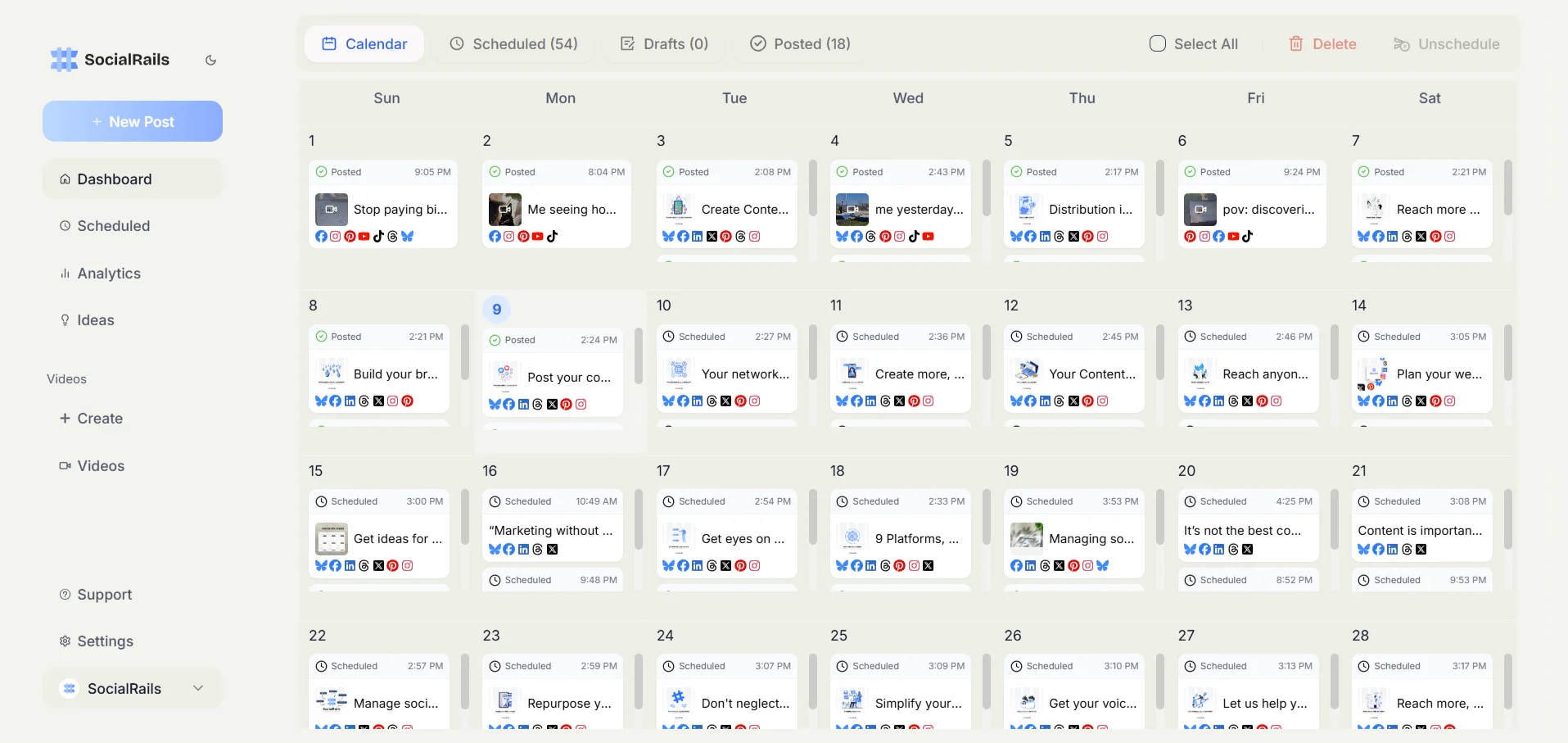
Bottom Line: Facebook remains the largest social platform with unmatched ad targeting, but organic marketing alone won't cut it anymore. Best for businesses willing to invest in ads and community building.
Facebook Pros: Why Businesses Still Use It
1. Largest Social Media Audience on Earth
Facebook's 3+ billion monthly active users make it the single largest social platform. No other network comes close to this reach.
Audience Highlights:
- Active in virtually every country
- All age demographics represented (strongest with 25-54)
- Users spend an average of 30+ minutes daily
- Works across mobile, desktop, and tablet
For detailed demographic data, see our social media demographics guide.
2. Most Advanced Advertising Platform
Facebook Ads Manager is the gold standard for social media advertising. No other platform offers this level of targeting precision.
Ad Targeting Capabilities:
- Custom Audiences, retarget website visitors, email lists, app users
- Lookalike Audiences, find people similar to your best customers
- Detailed targeting, interests, behaviors, demographics, job titles
- Location targeting, down to zip code and radius
For more on targeting, read our Facebook target audience guide.
Ad Format Variety:
- Image, video, carousel, and collection ads
- Stories and Reels ad placements
- Lead generation forms (no landing page needed)
- Messenger ads for direct conversations
- Dynamic product ads for e-commerce
Track your ad performance with our free Facebook Engagement Calculator.
3. Facebook Groups Build Real Communities
Groups are Facebook's strongest organic feature. They create spaces where your audience talks to each other, not just to you.
Group Benefits:
- Higher visibility than Page posts in the news feed
- Direct engagement with your most loyal customers
- User-generated content and peer support
- Free market research from community discussions
- Builds brand loyalty through belonging
Learn more in our guide to creating Facebook Groups, Page vs Group comparison, and Facebook Group marketing strategy.
4. Built-In Commerce and Lead Generation
Facebook offers complete commerce tools without needing external platforms.
Commerce Features:
- Facebook Shops, full storefront on your Page
- Marketplace, local selling with massive traffic (see our Marketplace guide)
- Lead Ads, collect emails and phone numbers without a landing page
- Event ticketing, sell event tickets directly
- Appointment booking, let customers schedule directly
5. Built-In Analytics and Insights
Facebook provides detailed performance data for both organic and paid content.
What You Can Track:
- Post reach, engagement, and clicks
- Audience demographics and growth trends
- Video views and watch time
- Website conversions (with Pixel)
- Ad performance down to the cent
6. Cross-Platform Integration
Facebook connects directly with Instagram, WhatsApp, and Messenger, letting you manage multiple channels from one place.
Integration Benefits:
- Run ads across Facebook and Instagram simultaneously
- Manage messages from Facebook, Instagram, and Messenger in one inbox
- Share content across platforms with one click
- Unified analytics across the Meta ecosystem
See our guide on linking Facebook to Instagram.
What is Facebook's strongest organic marketing feature for businesses?
Facebook Cons: The Real Challenges
1. Organic Reach Is Essentially Dead
This is Facebook's biggest problem for businesses. The average Facebook Page post reaches only 2-5% of followers organically.
The Reach Problem:
- Algorithm heavily favors friends and family content over business posts
- Engagement-bait posts get penalized
- Link posts get lower reach than native content
- You need to pay to reach the audience you already built
What This Means: If you have 10,000 followers, a typical post reaches 200-500 of them. Compare that to email marketing where you reach nearly 100% of your list.
2. Pay-to-Play Is the Reality
Facebook is essentially a paid advertising platform disguised as a social network for businesses.
Cost Considerations:
- Need consistent ad budget to maintain visibility
- CPMs have increased year-over-year
- Competition drives up costs in popular industries
- Small businesses with no budget struggle to compete
Check current costs with our Facebook CPM benchmarks guide.
3. Younger Audiences Are Leaving
Gen Z and younger millennials increasingly prefer TikTok, Instagram, and Snapchat over Facebook.
Demographic Shift:
- Fastest-growing demographic on Facebook is 55+
- Teens and young adults see Facebook as "for parents"
- If your target audience is under 25, Facebook may not be your best channel
- Instagram Reels and TikTok capture the short-form video audience
For platform comparison, see our most popular social media platforms guide.
4. Algorithm Changes Can Destroy Your Strategy
Facebook frequently updates its algorithm, and each change can dramatically impact your reach and engagement.
Algorithm Risks:
- Feature prioritization shifts (currently favoring Reels and Groups)
- Engagement metrics change without warning
- Content types fall in and out of favor
- No guarantee that what works today will work tomorrow
5. Privacy and Trust Concerns
Ongoing privacy scandals and data handling issues affect how users perceive businesses on Facebook.
Trust Issues:
- Users are more cautious about sharing data
- Ad targeting restrictions increasing due to regulations
- iOS privacy changes reduced ad tracking effectiveness
- Some consumers distrust Facebook-advertised brands
6. Content Moderation and Account Risks
Facebook's automated moderation can flag, restrict, or disable business accounts with little warning.
Platform Risks:
- Ad accounts can be disabled without clear explanation
- Appeals process is slow and often unresponsive
- Business Page restrictions for policy violations
- You don't own your audience, Facebook does
7. Time-Intensive Content Demands
Maintaining an effective Facebook presence requires significant time investment across multiple content formats.
Time Requirements:
- Creating native video and Reels content
- Responding to comments and messages
- Managing Groups and community discussions
- Running and optimizing ad campaigns
- Analyzing performance and adjusting strategy
What is the biggest challenge for businesses marketing on Facebook?
Facebook Pros and Cons: Side-by-Side
Who Should Use Facebook in 2026?
Facebook Is Great For:
- Local businesses, Marketplace and location targeting drive foot traffic
- E-commerce brands, Dynamic ads and Facebook Shops convert
- B2B companies, LinkedIn-level targeting at lower costs (see B2B Facebook strategy)
- Community builders, Groups are unmatched for engagement (see our Group marketing strategy)
- Businesses with ad budget, Facebook Ads deliver measurable ROI
Facebook May Not Be Worth It For:
- Brands targeting Gen Z exclusively, Try TikTok or Instagram instead
- Businesses with zero ad budget, Organic reach alone won't deliver results
- One-person operations, Time investment may not justify returns without automation
How to Maximize Facebook's Pros (and Minimize the Cons)
- Invest in Facebook Ads, Even $5-10/day can significantly extend reach
- Build a Facebook Group, Organic reach is higher in Groups than on Pages
- Create native content, Reels and video get priority in the algorithm
- Use automation tools, Schedule posts and manage engagement efficiently (see Facebook automation guide)
- Diversify platforms, Don't put all your eggs in one basket
- Focus on community, Prioritize meaningful interactions over broadcast messaging
- Track everything, Use Facebook Pixel and conversion tracking to measure actual ROI
Related Guides
Facebook Strategy:
- Optimize Your Facebook Business Page
- Facebook Content Ideas
- SEO for Facebook Pages
- Facebook Funnel Strategy
Free Facebook Tools:
- Facebook Engagement Calculator
- Facebook Benchmark Calculator
- Facebook Post Generator
Platform Comparisons:
Frequently Asked Questions
Is Facebook still worth it for business in 2026?
Yes, if you have an advertising budget. Facebook's 3+ billion users and advanced ad targeting make it valuable for most businesses. However, organic-only strategies rarely work anymore due to low reach (2-5% of followers).
What is Facebook's biggest advantage for businesses?
Facebook's advertising platform offers the most advanced targeting options of any social network: demographics, interests, behaviors, custom audiences, and lookalikes with precise budget control.
What is Facebook's biggest disadvantage for businesses?
Organic reach decline. The average business page post reaches only 2-5% of followers, making Facebook essentially pay-to-play for real visibility.
Is Facebook losing users?
Facebook is losing younger users to TikTok and Instagram, but overall user numbers continue to grow. The fastest-growing demographic is 55+, while the platform remains strong with 25-54 year olds.
Should I use a Facebook Page or Group for my business?
Use both. Pages are your official business presence for ads, shops, and brand info. Groups are for community building with higher organic reach. Many successful businesses run a Page for visibility and a Group for engagement.
Was this article helpful?
Let us know what you think!