

What Is an Opinion Leader? Types, Examples, and How to Find Them

What Is an Opinion Leader?
An opinion leader is someone whose expertise, authority, or social standing gives them outsized influence over the decisions and beliefs of others in a specific field. They earn influence through demonstrated knowledge, not follower counts.
Create content, post everywhere
Create captions, images, and videos with AI. Schedule to 9 platforms in seconds.
Start your free trial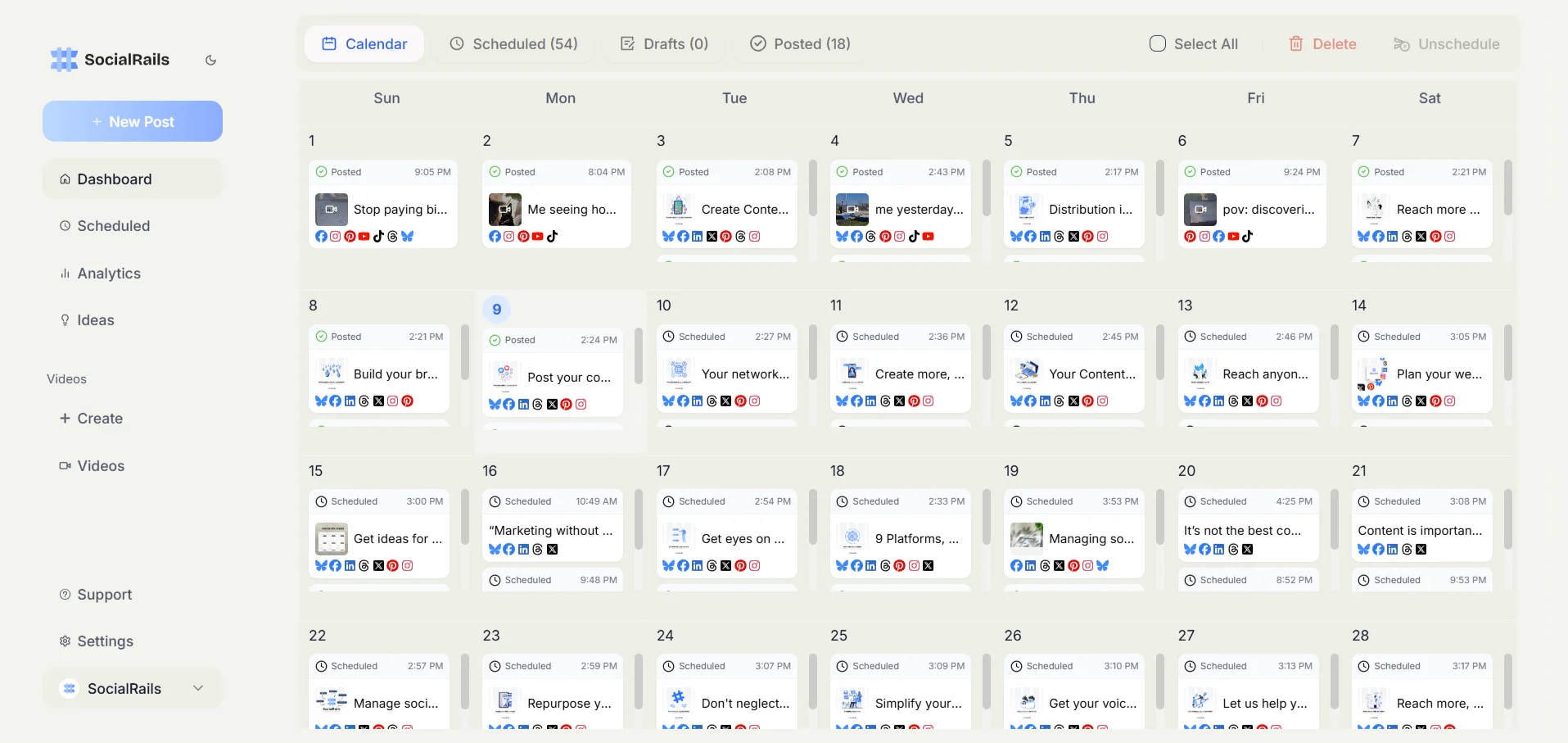
Opinion Leader vs Influencer
These terms get used interchangeably, but they mean different things.
An opinion leader's influence exists whether or not they have a social media following. A doctor who shapes treatment protocols, a venture capitalist who sets investment trends, or a chef who defines culinary movements are opinion leaders regardless of their follower count.
For more on working with influencers specifically, see our guide to contacting influencers and our definition of KOLs (Key Opinion Leaders).
What is the main difference between an opinion leader and an influencer?
Types of Opinion Leaders
Industry Experts
Professionals with deep domain knowledge who shape decisions through published research, conference talks, and media appearances.
Examples: Technology analysts like Benedict Evans and Ben Thompson, financial advisors quoted in major publications, medical researchers who set clinical guidelines.
Where to find them: Industry conferences, academic journals, trade publications, LinkedIn.
Media Personalities
Journalists, editors, and commentators who shape public opinion through their editorial platforms.
Examples: Business journalists at major outlets, podcast hosts with dedicated professional audiences, newsletter writers with industry influence.
Academic Leaders
Professors and researchers whose work defines frameworks that entire industries adopt.
Examples: Marketing professors who coin terms that become industry standard (like "inbound marketing"), economists whose models guide policy.
Where to find them: University departments, academic conferences, research databases.
Community Leaders
People who influence specific communities through grassroots credibility and trust.
Examples: Local business chamber presidents, nonprofit leaders, community organizers, religious leaders.
Micro-Opinion Leaders
Niche experts with smaller but highly engaged audiences within specific verticals.
Examples: A dermatologist with 5,000 followers who other dermatologists look to for product opinions. A SaaS founder whose tool recommendations carry weight in their ecosystem.
Where to find them: Niche forums, Slack communities, specialized subreddits, industry Discord servers.
How Opinion Leadership Works
The two-step flow of communication theory (Lazarsfeld and Katz, 1955) explains the mechanism.
Step 1: Mass media broadcasts information broadly.
Step 2: Opinion leaders interpret, filter, and share their analysis with their networks.
Opinion leaders act as trusted intermediaries between raw information and public understanding. People don't just consume information directly. They rely on opinion leaders to tell them what matters and what it means.
This still drives modern marketing. When a respected tech reviewer says a new tool is worth buying, that endorsement carries more weight than the brand's own advertising.
According to the two-step flow theory, what role do opinion leaders play?
How to Identify Opinion Leaders in Your Niche
Track Who Gets Referenced
Look for people whose opinions are cited by others in your industry:
- Who do journalists quote in articles about your space?
- Whose blog posts or tweets get shared by other experts?
- Who gets invited to speak at the most respected conferences?
Analyze Engagement Quality
Opinion leaders generate discussion, not just likes.
Look for comments that ask follow-up questions, replies from other experts, and content that sparks debate or analysis threads. Surface-level engagement (likes, generic comments) is less telling than genuine professional conversation.
Check Cross-Platform Presence
Real opinion leaders typically have influence across multiple channels: published articles or books, conference speaking invitations, media interviews, and active discussions in professional communities.
If someone only has influence on one platform, they may be an influencer rather than an opinion leader.
Use Social Listening Tools
Monitor your industry keywords and see who consistently appears in conversations. Tools like social listening platforms can help you identify who shapes discussions in your niche. You can also track their influence using social media analytics tools.
Ask Your Audience
Survey your customers and followers: "Who do you follow for advice about [your industry]?" The names that keep appearing are your opinion leaders.
How to Work With Opinion Leaders
Lead With Value
Opinion leaders value their credibility above everything. They will not promote something they don't believe in.
Your approach should include:
- Sharing your research or data that helps them do their work better
- Offering exclusive early access to products they would genuinely find useful
- Inviting them to co-create content like research reports or whitepapers
- Providing expert resources they can reference in their own content
Build Long-Term Relationships
Opinion leader marketing is not transactional.
Engage with their content consistently over months. Attend events where they speak. Reference their work in your content with proper credit. Sharing their work through content curation is a natural way to stay connected. Offer your expertise as a resource they can draw on.
Use Endorsements Wisely
When an opinion leader endorses your product or service:
- Feature their quotes on your website and marketing materials
- Amplify their content through your channels
- Create case studies around their use of your product
- Use their endorsement in social proof marketing campaigns
Benefits of Opinion Leader Marketing
Higher trust. People trust opinion leaders more than ads. An endorsement from a respected industry expert converts at a higher rate than traditional advertising.
Longer-lasting impact. Unlike influencer posts that spike and fade, opinion leader endorsements create sustained credibility because they are referenced over time.
B2B effectiveness. Opinion leaders are especially powerful in B2B markets where purchase decisions involve multiple stakeholders who all look to the same industry experts for guidance.
Earned media. When opinion leaders talk about your brand, it generates press coverage, backlinks, and organic conversations that compound over time.
Community access. Working with an opinion leader gives you access to their professional network, which often includes other decision-makers.
How to Become an Opinion Leader
If you want to establish yourself or your brand as an opinion leader:
- Choose a narrow niche. Be the expert in one specific area, not a generalist.
- Publish original research. Data and insights that others cannot find elsewhere.
- Be consistent. Share your perspective regularly across platforms.
- Take clear positions. Opinion leaders have opinions. Do not hedge everything.
- Engage with peers. Build relationships with other experts in your field.
- Speak at events. Conference talks establish authority.
- Write for industry publications. Guest articles in respected outlets build credibility.
- Build a reputation for accuracy. Never compromise on factual correctness.
Building opinion leadership takes years, not months. But once established, it becomes your most valuable marketing asset.
What is the most important first step to becoming an opinion leader?
Frequently Asked Questions
What is the difference between an opinion leader and an influencer?
Can someone be both an opinion leader and an influencer?
How do you find opinion leaders in your industry?
How much does it cost to work with an opinion leader?
Are opinion leaders more effective than influencers for marketing?
Related Reading
Was this article helpful?
Let us know what you think!