
10 Best Social Media Competitor Analysis Tools (3 Free Options)

10 Best Social Media Competitor Analysis Tools (2026)
Quick answer: Start free with Meta Ad Library to see competitor ads, then upgrade to Socialinsider ($124/mo) or Rival IQ ($239/mo) for full post analytics.
Quick Comparison: Top Competitor Analysis Tools
Your competitors test content strategies daily. Some work. Others flop. Instead of running expensive experiments, learn from theirs.
Competitor analysis tools reveal what rivals post, when they post, and what their audience loves. You get a playbook of proven tactics.
Create content, post everywhere
Create captions, images, and videos with AI. Schedule to 9 platforms in seconds.
Start your free trial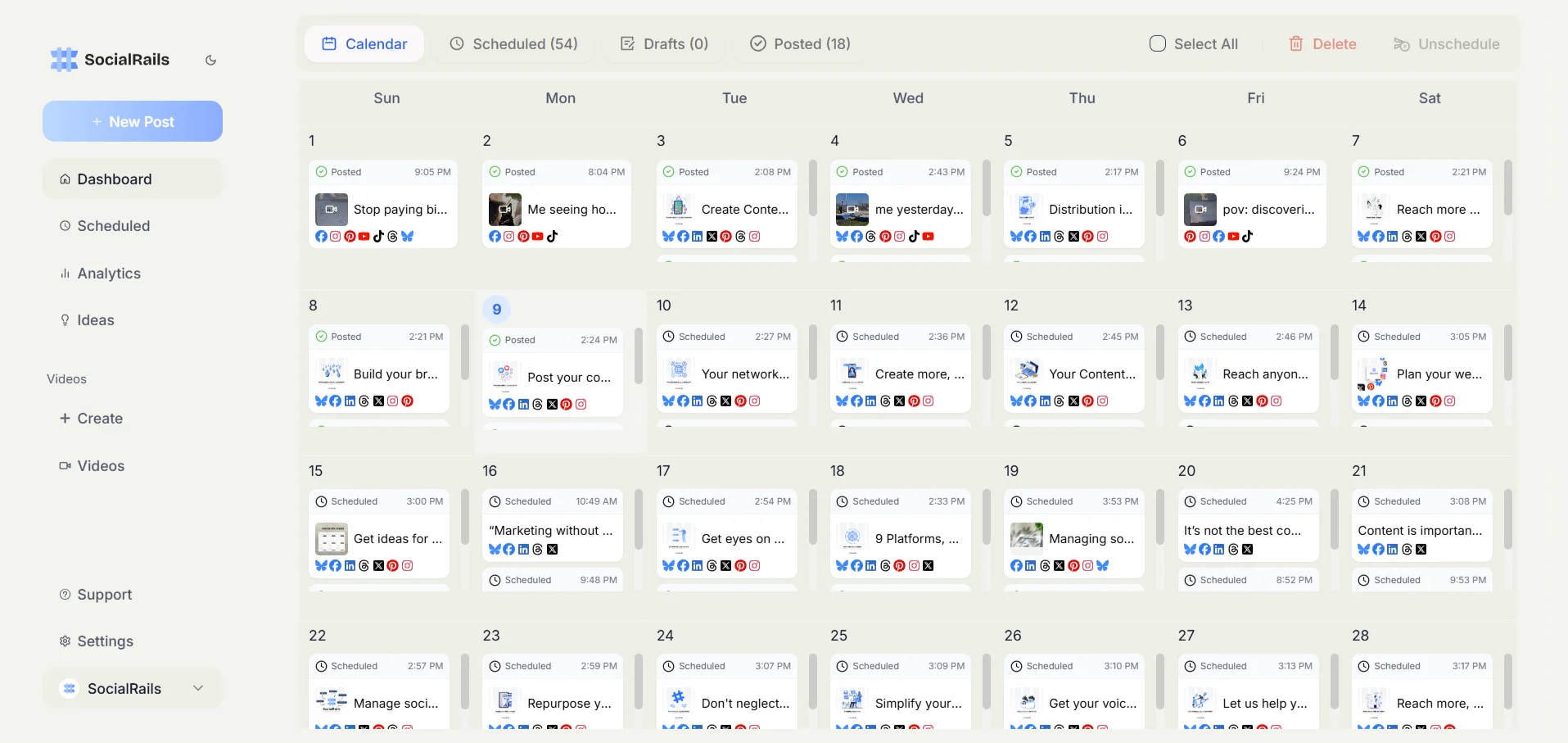
What Competitor Analysis Tools Actually Reveal
Content strategy
- Post types (video, image, carousel, text)
- Content themes and topics
- Posting frequency and timing
- Caption length and style
- Hashtag usage
Use our Web Content Audit Template to systematically evaluate competitor content against your own.
Performance metrics
- Engagement rates by post type
- Top-performing content
- Audience growth trends
- Share of voice comparisons
- Sentiment analysis
For platform-specific analytics, see our LinkedIn analytics tools guide and compare advertising performance with our LinkedIn Ads vs Facebook Ads comparison.
Audience insights
- Follower demographics
- Most engaged followers
- Audience overlap between competitors
- Influencers engaging with competitors
Ad intelligence
- Active ad campaigns
- Ad creative and copy
- Targeting indicators
- Ad spend estimates (some tools)
What's the MOST valuable insight from competitor analysis?
Top 10 Social Media Competitor Analysis Tools
1. Sprout Social
What it does: Enterprise-grade social management with strong competitive reporting
Competitor analysis features:
- Side-by-side competitor comparison
- Share of voice tracking
- Hashtag performance comparison
- Publishing cadence analysis
- Audience growth benchmarks
Platforms: Facebook, Instagram, Twitter/X, LinkedIn, Pinterest, TikTok, YouTube
Pricing: $249-499/month
Best for: Teams wanting competitor analysis integrated with their management tool
Pros:
- Deep competitive reports
- All-in-one platform
- Presentation-ready exports
Cons:
- Expensive
- Requires connecting your own accounts first
Too expensive? See our Sprout Social alternatives for lower-cost options with competitive analysis features. For detailed comparisons, read our Sprout Social review, Hootsuite vs Sprout Social comparison, or check Sprout Social vs Agorapulse for agency alternatives.
2. Socialinsider
What it does: Dedicated competitive benchmarking platform
Competitor analysis features:
- Track unlimited competitors
- Historical data (up to 6 months back)
- Content performance breakdown
- Best posting times analysis
- Campaign tracking
- Benchmark against industry averages
Platforms: Facebook, Instagram, Twitter/X, LinkedIn, TikTok, YouTube
Pricing:
- Adapt: $124/month (5 profiles)
- Optimize: $166/month (10 profiles)
- Strategize: $249/month (20 profiles)
Best for: Agencies and marketers focused primarily on competitive intelligence
Pros:
- Purpose-built for competitor analysis
- Historical data access
- Industry benchmarks
Cons:
- No content management features
- Learning curve for reports
3. Brand24
What it does: Social listening with competitor tracking
Competitor analysis features:
- Real-time mention monitoring
- Sentiment comparison
- Share of voice analysis
- Influencer identification
- Discussion volume tracking
- Alert system for competitor mentions
Platforms: All social + web, news, forums, reviews
Pricing:
- Individual: $119/month
- Team: $159/month
- Pro: $239/month
- Enterprise: $399/month
Best for: Tracking what people say ABOUT competitors, not just their posts
Pros:
- Real-time alerts
- Beyond social (web-wide monitoring)
- Sentiment analysis
Cons:
- Doesn't track competitor post performance
- Credit-based pricing limits
4. Rival IQ
What it does: Competitive social media analytics
Competitor analysis features:
- Automatic competitor detection
- Social post analytics
- Boosted post detection
- Cross-channel benchmarking
- Custom competitive landscapes
- Alerts for competitor activity spikes
Platforms: Facebook, Instagram, Twitter/X, LinkedIn, TikTok, YouTube
Pricing:
- Drive: $239/month (10 companies tracked)
- Engage: $349/month (20 companies)
- Engage Pro: Custom
Best for: Deep competitive benchmarking with boosted post detection
Pros:
- Detects when competitors boost posts
- Automatic insights
- Good visualization
Cons:
- Pricey for small teams
- No publishing features
5. Semrush Social
What it does: SEO giant's social media toolkit including competitor tracking
Competitor analysis features:
- Track 5 competitors per profile
- Posting frequency analysis
- Top content identification
- Hashtag performance
- Audience growth comparison
- Integrated with Semrush SEO data
Platforms: Facebook, Instagram, LinkedIn
Pricing: Included in Semrush plans ($139.95/month+)
Best for: Teams already using Semrush who want unified marketing data
Pros:
- Bundled with SEO tools
- Good value if using Semrush
- Cross-channel marketing view
Cons:
- Limited platform coverage (no TikTok, see Semrush social alternatives)
- Social not the primary focus
6. Hootsuite (Social Listening Add-on)
What it does: Social management platform with competitive listening
Competitor analysis features:
- Competitive streams
- Mention monitoring
- Share of voice
- Sentiment tracking
- Industry benchmarking
Platforms: Facebook, Instagram, Twitter/X, LinkedIn, Pinterest, YouTube, TikTok
Pricing:
- Professional: $99/month
- Team: $249/month
- Enterprise: Custom (includes advanced listening)
Best for: Existing Hootsuite users wanting competitive features
Pros:
- Integrated with publishing
- Enterprise-grade listening
- Familiar interface
Cons:
- Advanced features require higher tiers
- Getting expensive for what you get
7. Phlanx
What it does: Influencer auditing and competitor engagement analysis
Competitor analysis features:
- Engagement rate calculator (any public account)
- Fake follower detection
- Audience demographics estimation
- Account auditing
- Comparison reports
Platforms: Instagram, YouTube, TikTok, Twitter/X, Twitch
Pricing:
- Basic: $39/month
- Premium: $60/month
- Business: $90/month
Best for: Quick competitor engagement audits and influencer verification
Pros:
- Instant engagement rate checks
- Fake follower detection
- Affordable
Cons:
- Limited to engagement metrics
- No content analysis
8. Not Just Analytics
What it does: Instagram and TikTok analytics including competitors
Competitor analysis features:
- Free engagement calculator
- Historical follower tracking
- Content performance analysis
- Profile growth monitoring
- Hashtag analysis
Platforms: Instagram, TikTok
Pricing:
- Free tier available
- Pro: €9.90/month
- Pro+: €24.90/month
Best for: Budget-friendly Instagram/TikTok competitor tracking
Pros:
- Generous free tier
- Good Instagram depth
- Affordable premium
Cons:
- Instagram/TikTok only
- Limited features vs. enterprise tools
For another per-profile analytics option with competitor tracking across Instagram, X, and Facebook, see our Minter.io review. Its Platinum plan ($39/profile/month) tracks up to 3 competitors per profile.
9. Meta Ad Library
What it does: Free database of all active Facebook and Instagram ads
Competitor analysis features:
- View any brand's active ads
- See ad creative and copy
- Check ad launch dates
- Filter by country/platform
- Completely free
Platforms: Facebook, Instagram (ads only)
Pricing: Free
Best for: Ad creative research and competitive ad monitoring
Pros:
- 100% free
- Direct from Meta
- See exact ad creative
Cons:
- Ads only (no organic posts)
- No performance data
- Manual searching required
10. TikTok Creative Center
What it does: Free TikTok trend and ad intelligence
Competitor analysis features:
- Top performing ads by industry
- Trending hashtags and songs
- Creative insights
- Audience trends
- Keyword insights
Platforms: TikTok
Pricing: Free
Best for: TikTok-specific competitive and trend research
Pros:
- Free official tool
- Top-performing ads visible
- Trend identification
Cons:
- TikTok only
- Limited to what TikTok shares
- No specific competitor tracking
Comparison Table
How to Do Competitor Analysis (Step-by-Step)
Step 1: Identify competitors to track
Direct competitors: Same product, same market Indirect competitors: Different product, same audience Aspirational competitors: Where you want to be
Track 5-10 competitors across all three categories.
Step 2: Set up monitoring
- Add competitors to your analysis tool
- Configure tracking for all their social profiles
- Set up alerts for significant activity
- Create comparison dashboards
Step 3: Analyze content strategy
Questions to answer:
- What content types perform best for them?
- How often do they post on each platform?
- What topics generate the most engagement?
- What's their caption style and length?
- Which hashtags do they use consistently?
Step 4: Benchmark performance
Compare:
- Engagement rate vs. yours
- Follower growth rate
- Post frequency
- Response time
- Share of voice
Step 5: Identify opportunities
Look for:
- Content gaps (topics they're missing)
- Underserved audience segments
- Successful tactics you haven't tried
- Their mistakes to avoid
- Timing opportunities
Step 6: Apply insights
Turn analysis into action:
- Test their successful content types
- Post during times they're quiet
- Target hashtags they're winning
- Address topics they ignore
- Avoid their engagement mistakes
What to Track Monthly
Competitor content audit
- Top 5 performing posts per competitor
- New content formats introduced
- Campaign launches
- Messaging changes
Performance benchmarks
- Engagement rate changes
- Follower growth/loss
- Post frequency changes
- Platform shifts
Competitive position
- Your share of voice vs. competitors
- Sentiment comparison
- Audience overlap changes
- Market position shifts
Competitive Intelligence Ethics
Do:
- Analyze publicly available content
- Track published metrics
- Study public ad creative
- Monitor public mentions
- Benchmark against industry
Don't:
- Access private accounts with fake profiles
- Scrape data against platform terms
- Steal proprietary strategies
- Copy content directly
- Harass competitor employees
The goal: Learn from the market, don't infiltrate competitors.
Your competitor's video posts get 3x the engagement of their images. What should you do?
Frequently Asked Questions
Can competitors see that I'm tracking them?
No. Most tools analyze public data that anyone can see. Competitors can't tell you're monitoring them.
How often should I check competitors?
Weekly: Quick engagement and posting check Monthly: Deep content and performance analysis Quarterly: Strategic positioning review
What if competitors have more budget?
Focus on efficiency, not volume. Find niches they're ignoring. Out-engage them with better community management. Quality beats quantity with limited resources.
Should I copy competitor content?
Never copy directly. Adapt successful formats and themes to your brand voice. Take inspiration from what works, then make it yours.
Conclusion
Competitor analysis tools transform guesswork into strategy. Instead of hoping your content works, you'll know what works for your market—because you've seen it succeed.
Start here:
- Free research: Meta Ad Library + TikTok Creative Center
- Budget tracking: Not Just Analytics or Phlanx
- Serious analysis: Socialinsider or Rival IQ
- All-in-one: Sprout Social
The best competitive advantage isn't copying competitors—it's learning faster than they do.
Related Reading
- Fanpage Karma Alternatives — Best competitor benchmarking tools
- 15 Best Social Media Analytics Tools — Track performance and ROI
- 15 Social Media Tools Compared — Complete comparison guide
- Sprout Social Pricing — Full pricing breakdown
- Hootsuite Pricing — Plans and costs explained
- Best Social Media Scraping Tools — Extract competitor data at scale
- Social Listening Tools — Track what people say about competitors
- Keyhole Review — Hashtag tracking and campaign analytics
- Brand Monitoring — Monitor your own brand mentions
- Sentiment Analysis Tools Guide — Understand audience sentiment
- Instagram Analytics Complete Guide — Benchmark your performance
- Best Social Media Campaigns 2026 — Learn from winning campaigns
Was this article helpful?
Let us know what you think!