

Social Media Marketing for Restaurants: Complete 2026 Guide

Restaurant social media marketing drives reservations, builds community, and keeps your tables full. This guide covers everything from platform selection to content strategies that actually convert followers into paying customers.
Create content, post everywhere
Create captions, images, and videos with AI. Schedule to 9 platforms in seconds.
Start your free trial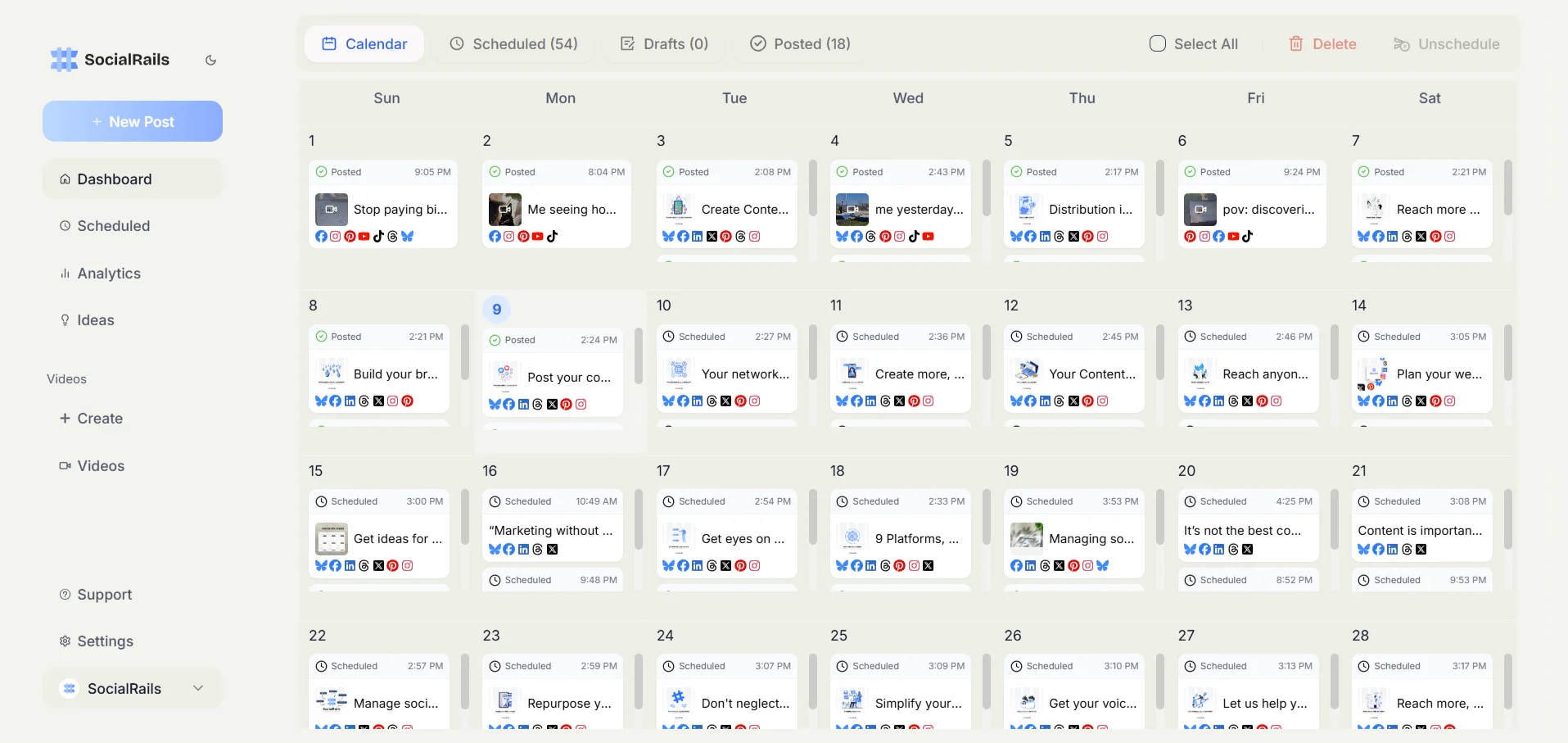
Why Social Media Matters for Restaurants
Restaurants are one of the few businesses where the product photographs well, the buying decision is made in minutes, and the customer is usually within a few miles of you. That combination is why social media does more work for a restaurant than for most other local businesses.
Three things it actually does:
- Answers the question people are really asking. Most searches near a mealtime are not "which restaurant is best" but "what does this place look like and is it open". Your recent posts answer that faster than your website does.
- Puts you in the discovery feed, not just the map. Google Business Profile and the map pack reach people already looking for you. Instagram, TikTok and Facebook reach people who were not.
- Turns one diner into several. A tagged story from a table of four is seen by their followers, who are local by default. No other channel gives you that for the price of a good plate of food.
You do not need every platform. You need the two or three where your customers already are, posted consistently enough that your page looks open for business.
Best Social Media Platforms for Restaurants
Instagram (Essential)
Why it works: Food is visual. Instagram is visual. Perfect match.
Best for:
- Showcasing dishes and plating
- Behind-the-scenes kitchen content
- Stories for daily specials
- Reels for cooking tutorials and atmosphere
Posting frequency: 1-2 feed posts daily, 5-10 stories daily
Generate engaging captions instantly with our Restaurant Social Media Caption Generator.
Facebook (Essential)
Why it works: Events, reviews, and local discovery.
Best for:
- Event promotions (wine nights, live music, holiday menus)
- Customer reviews and social proof
- Local targeting and ads
- Community building through groups
Posting frequency: 3-5 posts weekly
TikTok (High Growth Potential)
Why it works: Viral food content drives massive discovery.
Best for:
- Recipe reveals and cooking processes
- Employee personality content
- Trend participation
- Behind-the-scenes chaos (controlled)
Posting frequency: 3-7 videos weekly
Google Business Profile (Often Overlooked)
Why it works: Direct impact on local search and Maps visibility.
Best for:
- Menu updates
- Special announcements
- Photo galleries
- Review management
Posting frequency: 2-3 posts weekly
Content Strategy for Restaurant Social Media
The 4-Pillar Content Framework
Pillar 1: Food Photography (40%)
- Hero shots of signature dishes
- Daily specials
- New menu items
- Seasonal offerings
Pro tip: Natural light, clean backgrounds, and steam or drizzle action shots perform best.
Pillar 2: Behind-the-Scenes (25%)
- Kitchen prep and cooking
- Staff spotlights
- Supplier relationships
- Recipe secrets (not the whole recipe)
Pillar 3: Community & Culture (20%)
- Customer spotlights
- User-generated content reposts
- Local partnerships
- Community events
Pillar 4: Promotions & Events (15%)
- Happy hour specials
- Holiday menus
- Live music nights
- Loyalty programs
Plan your entire month with our Restaurant Content Calendar Generator.
Content Ideas That Work
High-Engagement Content:
- "Before the doors open" prep videos
- Chef's table experiences
- "How it's made" for signature dishes
- Staff meal time
- Customer reaction shots
- Kitchen fails (humanizes your brand)
Seasonal Content:
- Holiday menu reveals
- Seasonal ingredient arrivals
- Valentine's Day reservations
- Mother's Day brunch promotions
- Patio season openings
User-Generated Content Strategy:
- Create a branded hashtag
- Feature customers in Stories
- Run photo contests
- Respond to every tag and mention
- Share reviews as social proof
Posting Schedule for Restaurants
Optimal Posting Times
Instagram:
- Best: 11 AM - 1 PM (lunch decision time)
- Second best: 5 PM - 7 PM (dinner planning)
- Stories: Throughout the day
Facebook:
- Best: 1 PM - 4 PM
- Events: Post 1-2 weeks before
TikTok:
- Best: 6 PM - 9 PM (leisure browsing)
Weekly Content Calendar Template
Hiring a Social Media Manager for Your Restaurant
When to Hire
Signs you need help:
- Inconsistent posting (weeks between posts)
- No time for engagement
- Missing opportunities for user content
- Not tracking what works
- Social media feels like a chore
What to Look For
Essential skills for restaurant social media managers:
- Food photography experience
- Platform-native content creation
- Community management skills
- Understanding of restaurant operations
- Ability to work flexible hours (weekends, evenings)
Portfolio requirements:
- Previous restaurant or food brand work
- Strong visual aesthetic
- Engagement metrics from past accounts
- Content creation samples
Pricing for Restaurant Social Media Management
Typical rates in 2026:
- Freelancer: $500-$1,500/month
- Small agency: $1,500-$3,500/month
- Full-service agency: $3,500-$8,000/month
For detailed pricing breakdowns, see our Social Media Management Pricing Guide.
DIY vs. Hiring: Decision Framework
Do it yourself if:
- Budget under $500/month
- You enjoy creating content
- You can commit 5-10 hours weekly
- You have strong photography skills
Hire help if:
- Revenue over $500K annually
- No time for consistent posting
- Multiple locations
- Running paid ads
- Need professional photography
Running Restaurant Social Media Ads
Facebook & Instagram Ads for Restaurants
Best ad objectives:
- Reach: Local awareness campaigns
- Traffic: Reservation system clicks
- Engagement: Building social proof
- Store visits: Foot traffic tracking
Targeting strategies:
- 5-15 mile radius around location
- Interest targeting: foodies, dining out, local events
- Lookalike audiences from customer lists
- Retargeting website visitors
Ad creative that converts:
- Video of food being prepared
- Customer testimonial clips
- Chef introduction
- Time-sensitive offers (this weekend only)
Budget Recommendations
Starting budget: $300-$500/month Growth budget: $1,000-$2,500/month Aggressive growth: $5,000+/month
Allocation:
- 60% local awareness
- 25% specific promotions
- 15% retargeting
Measuring Restaurant Social Media Success
Key Metrics to Track
Awareness metrics:
- Reach and impressions
- Follower growth rate
- Profile visits
- Hashtag performance
Engagement metrics:
- Engagement rate (aim for 3-6%)
- Saves and shares
- Story completion rate
- Comment quality
Conversion metrics:
- Website clicks
- Reservation clicks
- Direction requests
- Phone calls
- Online order clicks
Tracking ROI
Attribution methods:
- Reservation tracking: Use unique codes for social promotions
- Surveys: "How did you hear about us?" at checkout
- Check-in promotions: Offer discount for social check-in
- Google Analytics: Track traffic from social to website
ROI calculation:
Monthly Social Media ROI =
(New customers from social × Average check value) - Marketing cost
Common Restaurant Social Media Mistakes
Mistakes That Kill Engagement
1. Only posting food photos Variety matters. Mix in people, stories, and community content.
2. Ignoring comments and DMs Social media is social. Respond within 2 hours during business hours.
3. Inconsistent posting Algorithms reward consistency. Better to post 3x weekly forever than 3x daily for a month.
4. Poor lighting in photos Natural light or professional setup. No exceptions.
5. Not using Stories Stories drive daily engagement and keep you top of mind.
6. Ignoring negative reviews Respond professionally to every review. Others are watching.
7. No call-to-action Every post should have a purpose. Tell people what to do next.
Advanced Strategies
User-Generated Content System
Step 1: Create incentive
- "Tag us for a chance to be featured"
- Free appetizer for tagged posts with 500+ followers
Step 2: Monitor mentions
- Check tags daily
- Save high-quality content
- Request permission to repost
Step 3: Showcase and reward
- Feature in Stories and feed
- Thank customers publicly
- Build library of authentic content
Influencer Partnerships
Micro-influencers (1,000-10,000 followers):
- Best value for local restaurants
- Trade comped meals for content
- Authentic local audience
Local food bloggers:
- Build ongoing relationships
- Invite to new menu tastings
- Collaborate on content creation
What to offer:
- Complimentary meal for 2-4
- Exclusive menu preview
- Chef's table experience
- Behind-scenes access
Crisis Management
Negative review response template:
- Thank them for feedback
- Apologize for their experience
- Take conversation private
- Offer to make it right
- Follow up after resolution
Social media crisis protocol:
- Don't delete (unless inappropriate)
- Respond quickly and professionally
- Take detailed complaints offline
- Document everything
- Learn and improve
Tools for Restaurant Social Media
Content Creation
- Canva or PosterMyWall (graphics, menus, and email marketing)
- CapCut (video editing)
- Lightroom Mobile (photo editing)
Scheduling & Management
- Social media scheduler for restaurants - Schedule food posts to 9 platforms with AI captions
- Meta Business Suite (Facebook/Instagram native)
If your venue is more cafe than full-service restaurant, see the best social media tools for cafes and coffee shops. For nightlife venues running event-driven content, the best social media tools for bars and nightclubs covers Stories-heavy stacks. For event-led food businesses, the best social media tools for catering companies walks through Pinterest and inquiry-CRM workflows.
Analytics
- Native platform insights
- Google Analytics
- Reservation system data
Related Tools
- Restaurant Promo Calendar Generator
- Menu Launch Social Campaign Generator
- Restaurant Content Calendar Generator
Quick-Start Checklist
Week 1: Foundation
- Audit current social presence
- Optimize profiles (bio, contact info, links)
- Create branded hashtag
- Set up content folders on phone
Week 2: Content Creation
- Batch photograph top 20 dishes
- Film 5 behind-scenes clips
- Write 30 caption templates
- Create content calendar
Week 3: Launch
- Post consistently for 7 days
- Engage with local accounts
- Share user-generated content
- Track initial metrics
Week 4: Optimize
- Review what performed best
- Adjust posting times
- Plan next month's content
- Consider paid promotion test
Summary
Restaurant social media marketing succeeds when you:
- Focus on Instagram and Facebook first
- Mix food photos with behind-scenes and community content
- Post consistently (quality over quantity)
- Engage authentically with your community
- Track what works and do more of it
The restaurants winning on social media aren't the ones with the biggest budgets, they're the ones that show up consistently with content that makes people hungry.
Start today: Pick one platform, commit to posting 3 times this week, and track your engagement. Small consistent steps beat sporadic grand efforts every time.
Related Resources
- Best Social Media Marketing Agencies - Find restaurant marketing specialists
- How to Find and Hire a Social Media Manager - Outsource your restaurant social media
- Virtual Assistant Social Media Manager - Budget-friendly help
- Social Media Management Pricing Guide - What to budget for help
- Best Social Media Scheduler - Tools for scheduling posts
- Small Business Social Media Tips - More tips for local businesses
- HORECA Marketing Guide - Social media strategies for hotels, restaurants, and cafes
Was this article helpful?
Let us know what you think!