
Quick Answer: FOMO stands for "Fear of Missing Out" - the anxiety that others are experiencing something desirable that you're not part of.
FOMO is both a psychological phenomenon and a powerful marketing strategy. In everyday life, it's that feeling when you see friends at a party you weren't invited to. In marketing, it's the urgency that drives people to act now rather than miss out on a deal, product, or experience.
Create content, post everywhere
Create captions, images, and videos with AI. Schedule to 9 platforms in seconds.
Start your free trial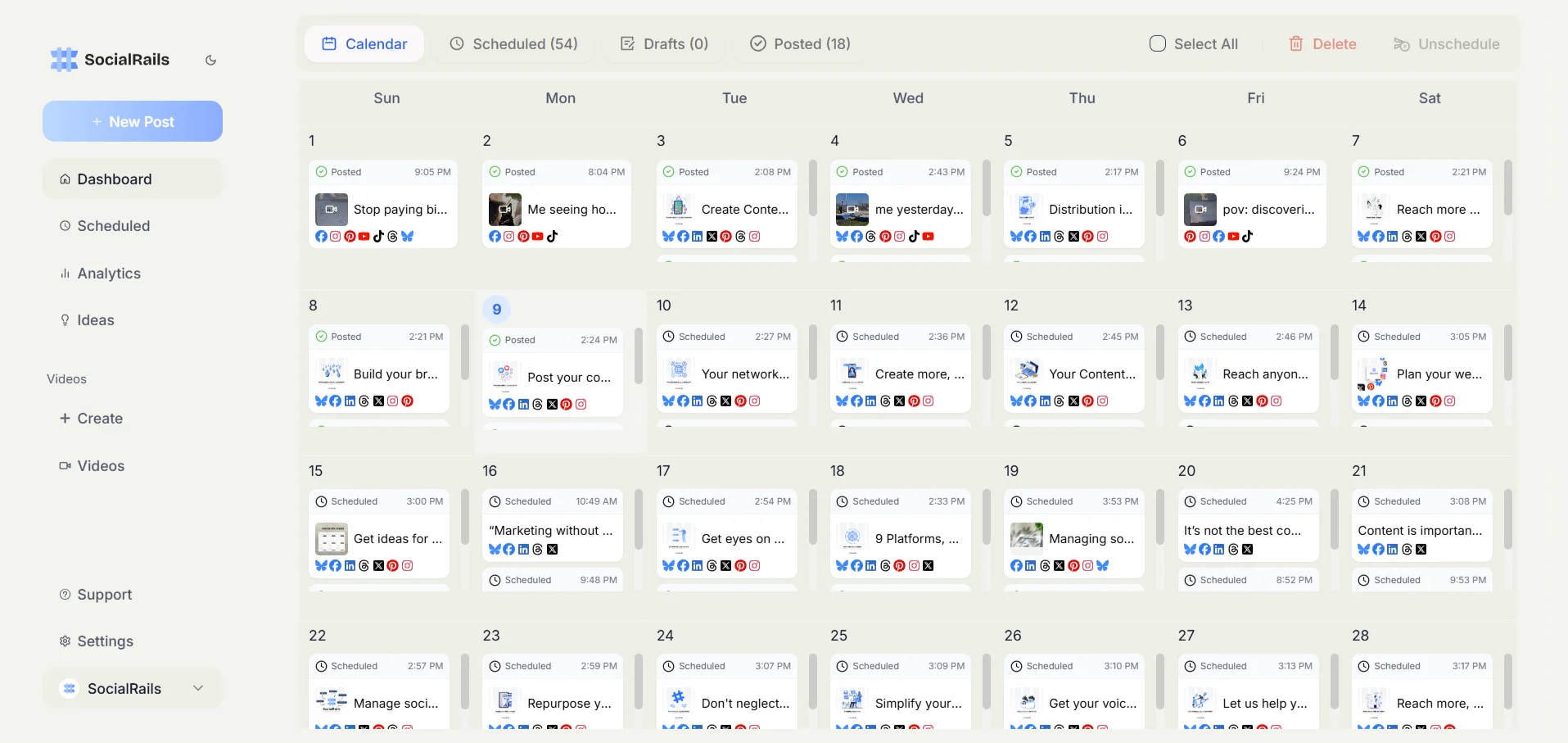
What Does FOMO Mean?
FOMO Definition
Why FOMO Is So Powerful
FOMO works because of a psychological principle called loss aversion. Research shows:
- People are generally more motivated to avoid losses than to acquire gains (loss aversion)
- Anticipating regret drives action more than anticipating satisfaction
- Social comparison makes us value what others have
- Scarcity increases perceived value
Why does 'Only 3 left in stock!' make you want to buy?
💡 Tip: Think carefully before selecting your answer!
FOMO in Marketing
How Brands Use FOMO
1. Limited Time Offers
- "Sale ends tonight!"
- "24-hour flash sale"
- Countdown timers on websites
2. Limited Quantity
- "Only 3 left in stock"
- "Limited edition"
- "While supplies last"
3. Social Proof
- "1,000 people are viewing this"
- "Sold 500 in the last hour"
- "John from Austin just purchased"
4. Exclusive Access
- "Members only"
- "VIP early access"
- "Invite-only"
FOMO Marketing Examples
Amazon Prime Day
- 48-hour event
- Member-exclusive deals
- Lightning deals with progress bars
Booking.com
- "Only 2 rooms left!"
- "15 people looking at this property"
- "Booked 5 times in last 24 hours"
Supreme
- Limited quantity drops
- No restocks
- Creates resale market at 10x prices
For a complete guide to FOMO tactics, see our FOMO Marketing Guide.
FOMO in Social Media
Social Media FOMO Triggers
- Friends at events without you
- Travel photos from exotic locations
- Lifestyle content showing "perfect" lives
TikTok
- Viral trends you haven't tried
- Products "everyone" is buying
- Experiences you're missing
Twitter/X
- Breaking news and conversations
- Live events and commentary
- Trending topics
Impact of Social Media FOMO
Research suggests:
- A significant portion of social media users experience FOMO
- Younger users, particularly millennials and Gen Z, report higher rates of social media-induced FOMO
- FOMO correlates with lower life satisfaction when unmanaged
- However, moderate FOMO can motivate positive action
FOMO Psychology
The Science Behind FOMO
1. Social Comparison Theory We naturally compare ourselves to others. When others have something we don't, we feel we're missing out.
2. Loss Aversion Losing something feels worse than gaining something feels good. Missing a deal hurts more than saving money feels rewarding.
3. Regret Anticipation We predict how we'll feel if we miss something. This anticipated regret drives present-moment action.
4. The Scarcity Principle Limited availability increases perceived value. If something is rare, we assume it must be worth having.
Healthy vs. Unhealthy FOMO
Using FOMO Ethically
Ethical FOMO Marketing
Do:
- Use real scarcity (actually limited stock)
- Set genuine deadlines (sale actually ends)
- Be transparent about terms
- Provide real value
Don't:
- Fake countdown timers that reset
- Lie about stock levels
- Create artificial urgency
- Manipulate through false claims
FOMO in Your Marketing Strategy
For strategies on using FOMO effectively:
- Creating Urgency in Sales - Sales-specific tactics
- Social Proof Marketing - Trust-building strategies
- Power Words for Sales - Language that converts
FOMO vs. Related Terms
FOMO Examples in Everyday Language
Social situations:
- "I had major FOMO seeing your party pics"
- "I'm getting FOMO from your travel posts"
- "Don't give me FOMO!"
Marketing context:
- "This deal is creating serious FOMO"
- "Their limited drops create artificial FOMO"
- "FOMO marketing works on me every time"
Managing FOMO
For Consumers
- Recognize the trigger - Is this real value or manufactured urgency?
- Pause before acting - Will you regret this purchase in a week?
- Limit social comparison - Remember, social media shows highlights, not reality
- Practice gratitude - Focus on what you have, not what you're missing
For Marketers
- Be honest - Genuine urgency builds trust; fake urgency destroys it
- Provide value - FOMO should highlight real opportunities
- Respect customers - Don't manipulate vulnerable people
- Balance tactics - FOMO is one tool, not your entire strategy
Key Takeaways
- FOMO is fear of missing out - The anxiety that others are experiencing something you're not
- It's based on loss aversion - We're more motivated to avoid losses than gain benefits
- Brands use FOMO strategically - Through urgency, scarcity, and exclusivity
- Social media amplifies FOMO - Constant exposure to others' experiences
- Ethical use builds trust - Fake urgency backfires; real value converts
Understanding FOMO helps you recognize when it's being used on you and use it ethically in your own marketing.
Related Guides
- FOMO Marketing: 18 Tactics That Convert
- Creating Urgency in Sales
- Social Proof Marketing
- Emotional Marketing Examples
Related Slang Terms
- NPC Meaning - Someone who lacks original thought
- Clout Meaning - Social influence and popularity
- Ratio Meaning - Getting more replies than likes
Free Tools
- Urgency Message Generator - Create FOMO-driven messages instantly
- Power Words Generator - Find emotional trigger words for your copy