Quick Answer
B2C (Business-to-Consumer) refers to the business model where companies sell products or services directly to individual end consumers, rather than to other businesses.
Create content, post everywhere
Create captions, images, and videos with AI. Schedule to 9 platforms in seconds.
Start your free trial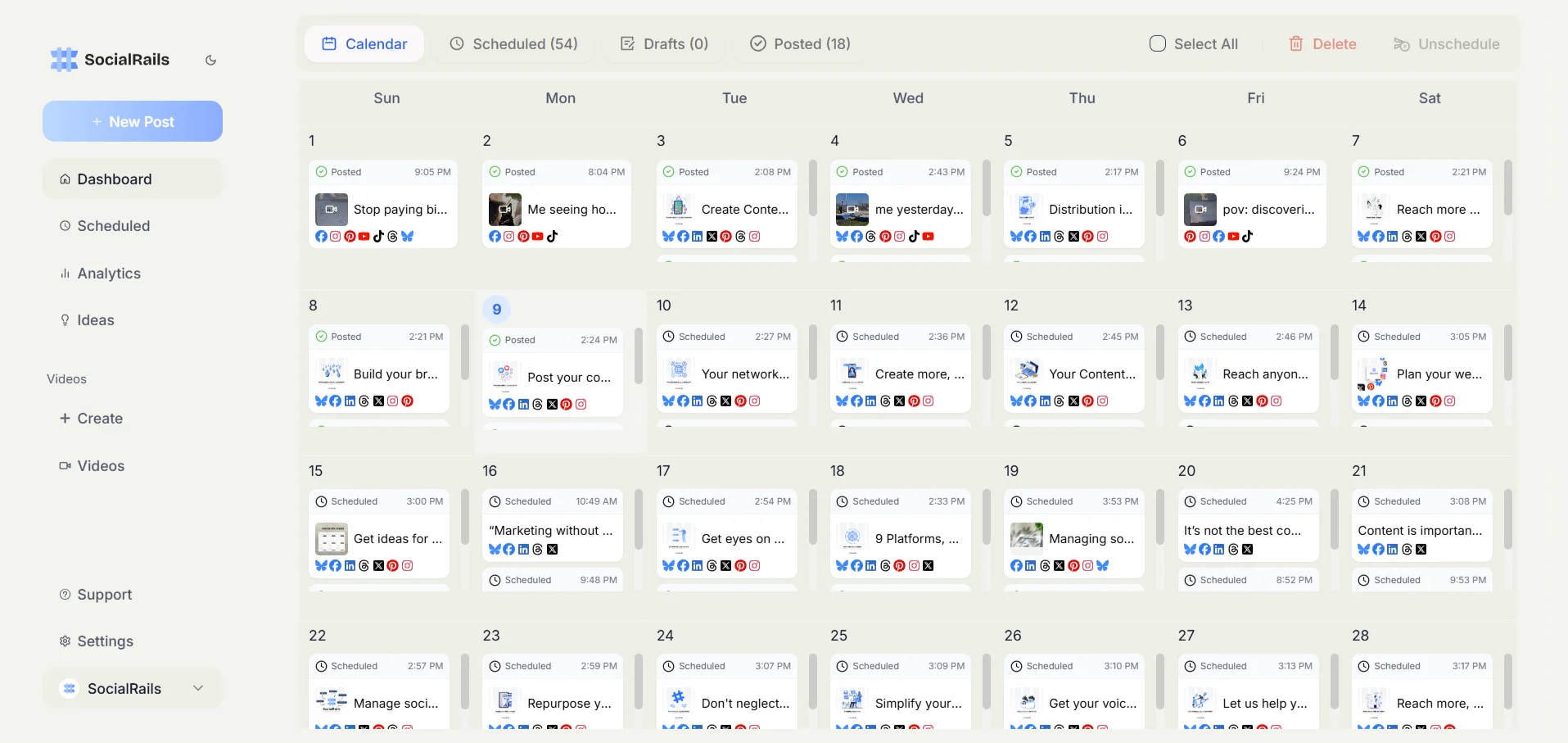
What Does B2C Mean?
B2C stands for Business-to-Consumer. It describes any transaction where a business sells directly to individual customers for personal use.
Key Characteristics:
- Direct sales to individuals
- Personal (not business) use
- Shorter sales cycles
- Emotional buying decisions
- Higher transaction volume, lower individual value
B2C vs B2B: Key Differences
B2C Business Examples
E-commerce
- Amazon - Online retail marketplace
- ASOS - Fashion retail
- Warby Parker - Direct-to-consumer eyewear
Retail
- Target - Department store
- Nike - Athletic apparel (retail locations)
- Apple Store - Consumer electronics
Subscription Services
- Netflix - Streaming entertainment
- Spotify - Music streaming
- HelloFresh - Meal kit delivery
Food & Beverage
- Starbucks - Coffee shops
- McDonald's - Fast food
- Domino's - Pizza delivery
Services
- Uber - Transportation
- Airbnb - Accommodation
- Peloton - Fitness
B2C Marketing Strategies
Social Media Marketing
B2C brands thrive on social platforms:
- Instagram - Visual products, lifestyle branding
- TikTok - Entertainment, viral content
- Facebook - Community, ads
- Pinterest - Inspiration, shopping
Content Marketing
- Blog posts solving consumer problems
- How-to videos and tutorials
- User-generated content
- Influencer partnerships
Email Marketing
- Promotional campaigns
- Abandoned cart reminders
- Loyalty programs
- Seasonal offers
Paid Advertising
- Social media ads
- Google Shopping
- Retargeting campaigns
- Influencer sponsorships
B2C Sales Characteristics
Short Sales Cycle
- Often impulse purchases
- Decision made in minutes or hours
- Fewer touchpoints needed
Emotional Decision Making
- Brand perception matters
- Social proof influences choices
- Aspirational marketing works
Price Sensitivity
- Consumers compare prices
- Discounts drive action
- Free shipping expectations
High Volume
- Many small transactions
- Repeat customers valuable
- Customer lifetime value focus
B2C Customer Journey
- Awareness - Find brand via ads, social, search
- Interest - Browse products, read reviews
- Consideration - Compare options, check prices
- Purchase - Buy online or in-store
- Post-Purchase - Review, share, return/keep
- Loyalty - Repeat purchases, referrals
B2C Social Media Best Practices
Platform Selection
- Go where your customers are
- Visual products → Instagram, Pinterest, TikTok
- Services → Facebook, YouTube
- All B2C → Consider TikTok for reach
Content Strategy
- Entertainment over education
- User-generated content
- Behind-the-scenes
- Customer testimonials
- Trending audio and formats
Engagement
- Respond to comments quickly
- Use polls and interactive features
- Run contests and giveaways
- Feature customers in content
B2C Metrics to Track
Sales Metrics:
- Conversion rate
- Average order value
- Customer acquisition cost
- Return rate
Marketing Metrics:
- Cost per acquisition (CPA)
- Return on ad spend (ROAS)
- Email open/click rates
- Social engagement rate
Customer Metrics:
- Customer lifetime value (CLV)
- Net promoter score (NPS)
- Repeat purchase rate
- Churn rate
B2C Trends in 2026
Social Commerce
Buying directly within social apps (Instagram Shop, TikTok Shop)
Personalization
AI-powered product recommendations and personalized marketing
Sustainability
Consumers preferring eco-friendly brands and practices
Mobile-First
Most B2C purchases now happen on mobile devices
Instant Gratification
Same-day delivery, buy-now-pay-later options
Frequently Asked Questions
What is the difference between B2C and D2C?
B2C (Business-to-Consumer) is the broad category of selling to consumers. D2C (Direct-to-Consumer) is a specific type of B2C where brands sell directly without retailers or middlemen. All D2C is B2C, but not all B2C is D2C.
Is Amazon B2C or B2B?
Amazon is primarily B2C (selling to individual consumers), but also operates B2B through Amazon Business for corporate purchasing. Most people interact with Amazon as a B2C platform.
What makes B2C marketing different?
B2C marketing focuses on emotional appeals, brand building, and mass reach. Decisions are faster and more impulsive than B2B, so content is designed to capture attention quickly and drive immediate action.
Can a company be both B2B and B2C?
Yes. Many companies serve both markets. Microsoft sells to consumers (Xbox, Surface) and businesses (Office 365, Azure). The marketing strategies differ significantly for each audience.
Related Terms
Marketing Terms:
- B2B Marketing - Business-to-business strategies
- Lead Generation - Acquiring potential customers
- Brand Awareness - Building recognition
- ROI - Return on investment
E-commerce:
- Social Commerce - Selling on social platforms
- E-commerce Marketing - Online selling strategies
- Pinterest Catalogs - Product feed automation
Strategy:
- Content Strategy - Planning content
- Social Media Strategy - Overall approach
Tools:
- Social Media Kit Generator
- Start scheduling your B2C content with SocialRails