

The Silo Problem That's Secretly Killing Business Growth (And How to Fix It)

The Silo Problem That's Secretly Killing Business Growth (And How to Fix It)
A silo in business refers to a situation where departments, teams, or individuals operate in isolation from each other, sharing little to no information or collaboration. Just like grain silos that store crops separately, organizational silos keep knowledge, resources, and decision-making compartmentalized.
This isolation creates barriers to communication, reduces efficiency, and often leads to duplicated efforts, missed opportunities, and poor customer experiences.
Create content, post everywhere
Create captions, images, and videos with AI. Schedule to 9 platforms in seconds.
Start your free trial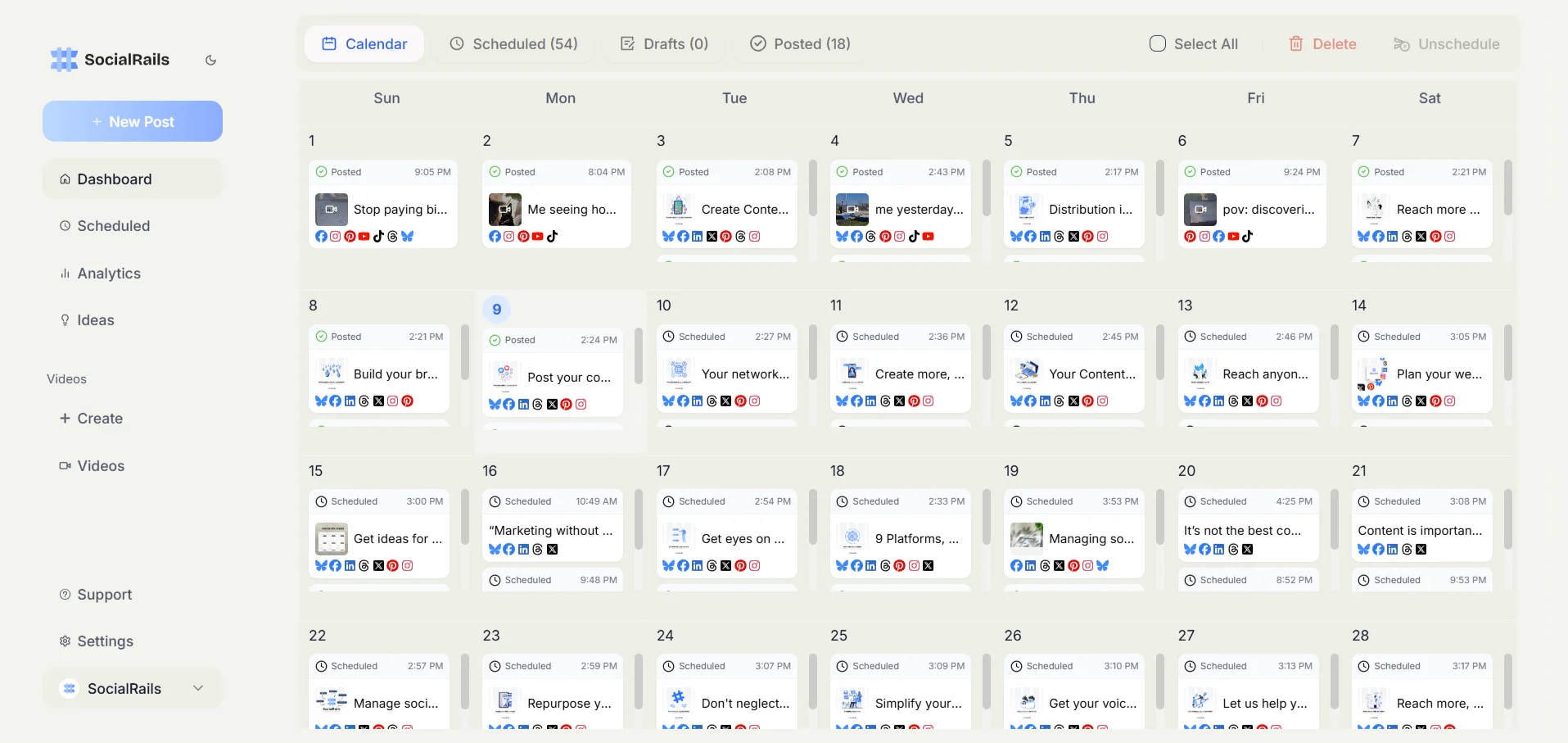
What Does Silo Mean in Business?
The Basic Concept
Think of silos as invisible walls between different parts of your organization. When departments work in silos, they:
- Protect their information and resources
- Focus only on their specific objectives
- Communicate primarily within their own team
- Make decisions without consulting other departments
- Compete rather than collaborate with other teams
Common Types of Business Silos
Departmental Silos: Marketing doesn't talk to sales, IT doesn't coordinate with operations
Functional Silos: Different skill groups (design, development, management) work separately
Product Silos: Each product line operates independently without sharing insights
Geographic Silos: Different locations or regions don't collaborate effectively
Hierarchical Silos: Information flows only up and down, never across organizational levels
Why Silos Form (And Why They Persist)
Natural Organizational Evolution
Specialization Needs: As companies grow, specialized departments naturally develop their own processes and cultures
Resource Competition: Limited budgets and resources create competitive rather than collaborative mindsets
Performance Metrics: Department-specific KPIs encourage teams to optimize for their own success
Leadership Structure: Traditional hierarchical management can discourage cross-functional collaboration
Cultural and Psychological Factors
Tribal Mentality: Humans naturally form in-groups and develop loyalty to their immediate team
Information as Power: Some employees hoard information to maintain their perceived value
Risk Aversion: Sharing information or resources feels risky when job security depends on departmental performance
Comfort Zones: Working within familiar teams and processes feels safer than branching out
The Hidden Cost of Silos
Impact on Business Performance
Reduced Innovation: Most breakthrough innovations come from cross-functional collaboration
Slower Decision Making: Information bottlenecks significantly delay critical business decisions
Duplicated Efforts: Companies lose significant efficiency through redundant work across departments
Poor Customer Experience: Disconnected departments create inconsistent customer interactions that undermine corporate identity
Financial Consequences
Lost Revenue Opportunities: Sales and marketing misalignment costs companies substantial revenue annually
Increased Operational Costs: Silos create inefficiencies that significantly increase operational expenses
Employee Turnover: Siloed environments have higher turnover rates due to frustration and limited growth
Competitive Disadvantage: Companies with silos respond much slower to market changes
Understanding organizational challenges connects to effective brand strategy development that requires cross-functional collaboration.
Types of Organizational Silos
Information Silos
What They Are: Knowledge and data trapped within specific departments or systems
Examples:
- Customer data stored only in sales CRM
- Marketing insights not shared with product development
- Financial reports limited to finance team access
- Technical documentation locked in IT systems
Impact: Teams make decisions without complete information, leading to suboptimal outcomes
Communication Silos
What They Are: Limited interaction and dialogue between different groups
Examples:
- Departments using different communication platforms
- No regular cross-functional meetings
- Email chains that exclude relevant stakeholders
- Informal communication networks that bypass certain teams
Impact: Misunderstandings, duplicated work, and missed collaboration opportunities
Technology Silos
What They Are: Incompatible systems and tools that don't integrate
Examples:
- Marketing automation that doesn't sync with sales CRM
- HR systems disconnected from payroll and accounting
- Project management tools that don't share data
- Customer service platforms isolated from sales data
Impact: Manual data transfers, inconsistent reporting, and reduced productivity
Process Silos
What They Are: Workflows and procedures that don't consider other departments
Examples:
- Marketing campaigns launched without sales team preparation
- Product development without customer service input
- Budget planning done in isolation by each department
- Hiring processes that don't involve cross-functional teams
Impact: Inefficient operations, poor handoffs between teams, and customer friction
Breaking Down Silos: Proven Strategies
Leadership-Driven Solutions
Cross-Functional Leadership Team: Create executive committees with representatives from each major department
Shared Goals and Metrics: Align departmental KPIs with company-wide objectives
Resource Sharing Incentives: Reward departments for collaboration rather than just individual performance
Regular Cross-Departmental Reviews: Monthly meetings where departments present to each other
Structural Changes
Matrix Organizational Structure: Employees report to both functional and project managers
Cross-Functional Teams: Create permanent teams with members from different departments
Shared Physical Spaces: Open office layouts or shared meeting areas encourage interaction
Rotation Programs: Move employees between departments to build understanding and relationships
Building collaborative structures supports effective authentic content creation that requires input from multiple stakeholders.
Technology Solutions
Integrated Software Systems: Use platforms that connect different departmental tools
Collaborative Platforms: Implement company-wide communication tools like Slack or Teams
Shared Dashboards: Create real-time visibility into company-wide metrics and performance
Knowledge Management Systems: Central repositories for information accessible to all relevant teams
Cultural Initiatives
Cross-Department Projects: Regular initiatives that require multiple departments to work together
Internal Networking Events: Company social events that mix employees from different departments
Success Story Sharing: Highlight and celebrate successful cross-departmental collaborations
Training Programs: Workshops on collaboration, communication, and systems thinking
The Silo-Free Organization Model
Characteristics of Collaborative Organizations
Transparent Communication: Information flows freely across all levels and departments
Shared Decision Making: Major decisions involve input from relevant stakeholders across the organization
Flexible Team Formation: Teams form and dissolve based on project needs rather than rigid departmental structures
Customer-Centric Focus: All departments align around customer success rather than departmental objectives
Implementation Framework
Phase 1: Assessment (Month 1-2)
- Identify existing silos and their impact
- Survey employees about collaboration barriers
- Map current communication and information flows
- Establish baseline metrics for collaboration
Phase 2: Foundation Building (Month 3-4)
- Align leadership on collaboration objectives
- Establish cross-functional teams and processes
- Implement collaborative technology platforms
- Begin cultural change initiatives
Phase 3: Active Integration (Month 5-6)
- Launch cross-departmental projects
- Modify performance metrics to include collaboration
- Provide collaboration training and support
- Monitor progress and adjust strategies
Technology Tools for Silo Breaking
Communication Platforms
Slack/Microsoft Teams: Company-wide communication with cross-functional channels
Zoom/Google Meet: Regular video meetings between departments
Workplace/Yammer: Internal social networks for informal collaboration
Project Management Tools: Shared project visibility across departments
Data Integration Solutions
Customer Relationship Management (CRM): Unified customer data across sales, marketing, and service
Enterprise Resource Planning (ERP): Integrated business processes and data
Business Intelligence Platforms: Shared analytics and reporting across departments
Cloud Storage: Centralized document and file sharing
Collaboration Software
Google Workspace/Office 365: Shared document creation and editing
Miro/Lucidchart: Visual collaboration for planning and brainstorming
Confluence/Notion: Shared knowledge bases and documentation
Monday.com/Asana: Cross-functional project management
Measuring Silo Reduction Success
Collaboration Metrics
Cross-Department Projects: Number and success rate of collaborative initiatives
Information Sharing: Frequency of data and knowledge exchange between departments
Communication Frequency: Increase in cross-departmental meetings and interactions
Employee Network Analysis: Mapping of relationship connections across the organization
Business Impact Indicators
Decision Speed: Reduction in time from problem identification to solution implementation
Customer Satisfaction: Improvement in customer experience scores
Innovation Rate: Increase in new ideas and solutions generated
Employee Engagement: Higher satisfaction and retention rates
Performance Improvements
Operational Efficiency: Reduction in duplicated work and resource waste
Revenue Growth: Improvement in sales and marketing alignment effectiveness
Cost Reduction: Decreased operational expenses through better coordination
Market Responsiveness: Faster adaptation to market changes and opportunities
Common Silo-Breaking Mistakes
Mistake 1: Technology-Only Solutions
Problem: Expecting new software to solve cultural and structural problems
Solution: Combine technology with cultural change and leadership commitment
Mistake 2: Forcing Collaboration
Problem: Mandating collaboration without providing incentives or removing barriers
Solution: Create natural reasons for departments to work together through shared goals
Mistake 3: Ignoring Existing Power Structures
Problem: Not addressing territorial behavior and information hoarding
Solution: Align collaboration with career advancement and recognition systems
Mistake 4: Lack of Leadership Modeling
Problem: Executives maintaining their own silos while expecting employees to collaborate
Solution: Leaders must demonstrate cross-functional collaboration in their own work
Industry Examples of Silo Solutions
Technology Sector Success
Company: Spotify Challenge: Product development silos preventing rapid innovation Solution: "Squad" model with autonomous cross-functional teams Results: Faster product releases and improved user experience
Retail Transformation
Company: Target Challenge: Online and in-store experiences operating separately Solution: Integrated omnichannel team structure Results: 30% increase in customer satisfaction scores
Manufacturing Integration
Company: Toyota Challenge: Production and design departments working in isolation Solution: Cross-functional quality circles and continuous improvement teams Results: Reduced defects by 40% and faster time-to-market
Building a Silo-Free Culture
Leadership Behaviors
Model Collaboration: Executives work visibly across functional boundaries
Reward Sharing: Recognize and promote employees who collaborate effectively
Address Conflicts: Quickly resolve territorial disputes and communication breakdowns
Invest in Relationships: Budget time and resources for relationship building activities
Employee Development
Cross-Training Programs: Help employees understand other departments' roles and challenges
Mentorship Across Departments: Pair employees with mentors from different functions
Career Path Flexibility: Allow movement between departments and functions
Skill Development: Train employees in collaboration and communication skills
Effective organizational development requires understanding broader multichannel marketing benefits that demonstrate the value of integrated approaches.
Structural Support
Physical Environment: Design office spaces that encourage interaction
Meeting Structures: Regular cross-functional meetings and updates
Project Assignment: Make sure major projects include multiple departmental perspectives
Information Architecture: Systems that make knowledge sharing easy and rewarding
The Future of Organizational Structure
Emerging Trends
Network Organizations: Flat structures with project-based teams
Agile Methodologies: Cross-functional sprints and rapid iteration
Remote Collaboration: Digital-first communication and project management
AI-Assisted Coordination: Technology that identifies collaboration opportunities
Skills for the Future
Systems Thinking: Understanding how different parts of the organization connect
Cultural Intelligence: Working effectively across diverse teams and perspectives
Digital Collaboration: Mastery of remote and hybrid collaboration tools
Adaptive Leadership: Leading through influence rather than hierarchy
Getting Started: Your 90-Day Silo-Breaking Plan
Days 1-30: Assessment and Foundation
Week 1-2: Silo Identification
- Map current organizational structure
- Survey employees about collaboration barriers
- Identify information and communication bottlenecks
- Analyze current performance metrics
Week 3-4: Leadership Alignment
- Meet with department heads about collaboration goals
- Establish cross-functional leadership committee
- Define success metrics for silo reduction
- Create communication plan for organization
Days 31-60: Implementation Launch
Week 5-6: Quick Wins
- Launch cross-departmental communication channels
- Schedule regular cross-functional meetings
- Create shared project management systems
- Begin information sharing initiatives
Week 7-8: Process Changes
- Modify performance reviews to include collaboration
- Launch cross-functional project teams
- Implement shared goal setting
- Start cross-training programs
Days 61-90: Optimization and Culture Building
Week 9-10: Culture Initiatives
- Celebrate collaboration success stories
- Address resistance and barriers
- Expand successful pilot programs
- Gather feedback and adjust approaches
Week 11-12: Long-term Planning
- Analyze results and impact
- Plan next phase of silo reduction
- Scale successful strategies
- Set up ongoing measurement systems
Conclusion
Silos aren't just an organizational inconvenience, they're a competitive threat that can slowly strangle your business growth. The companies that thrive in today's fast-moving marketplace are those that can move information, resources, and decision-making fluidly across their entire organization.
Breaking down silos requires more than good intentions. It demands systematic changes to leadership behavior, organizational structure, technology systems, and company culture. The investment is significant, but the payoff, in terms of innovation, efficiency, and employee satisfaction, is even greater.
Start small with pilot programs and quick wins, but think big about the transformation you want to achieve. The most successful companies don't just break down silos, they build collaborative DNA into everything they do.
Remember: Your competition might have the same resources and talent you do, but if you can mobilize your entire organization while they're trapped in silos, you'll have an unbeatable advantage.
Frequently Asked Questions
What's the difference between departments and silos?
Departments are necessary organizational structures that group similar functions together. Silos occur when these departments become isolated and refuse to collaborate. You can have departments without silos through open communication, shared goals, and collaborative processes.
How do I know if my organization has a silo problem?
Warning signs include: departments not knowing what others are working on, duplicated efforts across teams, slow decision-making, customer complaints about inconsistent experiences, information bottlenecks, and employees feeling frustrated about lack of cooperation from other departments.
Can small businesses have silos too?
Yes, even small businesses can develop silos as they grow. Common early signs include the sales and marketing teams not coordinating, customer service being disconnected from product development, or finance operating separately from operations. Early intervention prevents silos from becoming entrenched.
What's the biggest barrier to breaking down silos?
Cultural resistance is usually the biggest challenge. People are comfortable with existing relationships and processes. Success requires strong leadership commitment, clear incentives for collaboration, and patience to change ingrained behaviors over time.
Do I need to eliminate all silos completely?
Not necessarily. Some separation between functions can be healthy for specialized work. The goal is to eliminate harmful silos that prevent necessary collaboration while maintaining beneficial specialization. Focus on breaking down silos that impact customer experience, innovation, and strategic decision-making.
How long does it take to break down organizational silos?
Meaningful change typically takes 6-18 months depending on organization size and culture. Quick wins can happen in 30-60 days, but lasting cultural change requires sustained effort. Start with pilot programs and gradually expand successful approaches across the organization.
What role does technology play in silo reduction?
Technology is an enabler, not a solution. The right tools can facilitate communication and information sharing, but they won't fix cultural or structural problems. Use technology to support collaborative processes and make it easier for people to work together, but address the human elements first.
Should I hire consultants to help break down silos?
External consultants can provide valuable perspective and expertise, especially for large-scale transformations. However, lasting change must come from within. Use consultants for assessment, strategy development, and training, but make sure internal leadership drives the actual implementation.
Ready to break down silos in your organization? Start with our free content planning tool to align your marketing communications, then develop your transformation strategy using our brand strategy guide to create unified goals across all departments.
Was this article helpful?
Let us know what you think!