
Why Do Bots Follow Me on Twitter (X)? How to Spot and Remove Them

Bots follow you on Twitter/X to make their own fake accounts look real, to farm engagement, to set up scams, or in the hope that you will follow back. It is rarely personal. Most bot follows are automated and triggered by your hashtags, keywords, or a sudden jump in your activity.
Here is how to recognize a bot follower and the exact steps to remove, block, or report one in 2026, including the quiet "Remove this follower" option that gets a bot off your list without ever notifying them.
Create content, post everywhere
Create captions, images, and videos with AI. Schedule to 9 platforms in seconds.
Start your free trial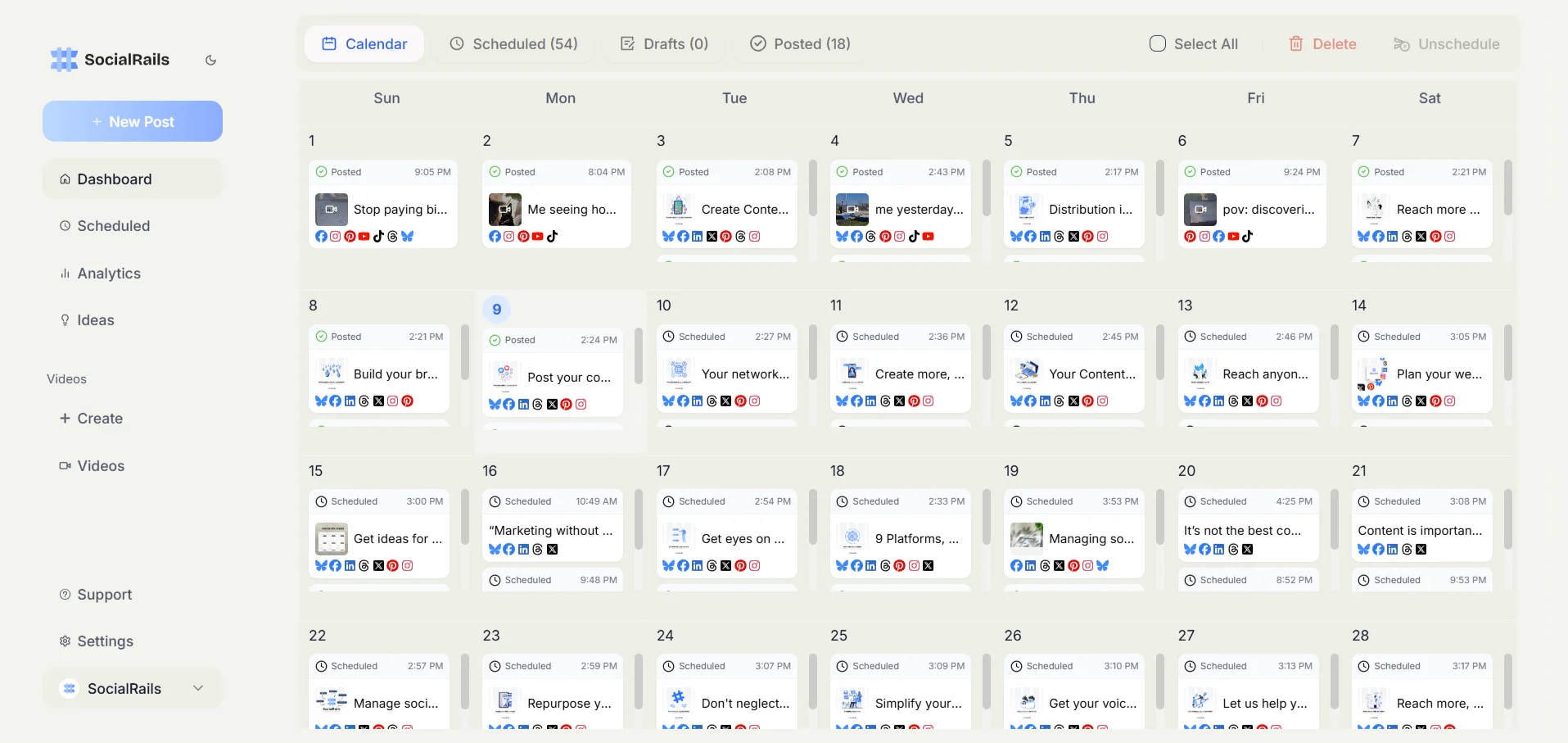
Jump to: Quick Answer · Why Bots Follow Real Accounts · How Paid Verification Changed Things · How to Spot a Bot Follower · Remove Without Blocking · Block and Report · Reduce Future Bot Follows · Should You Remove Them · FAQ
Quick Answer: Why Bots Follow You
Why bots follow you:
- To make their fake account look active and legitimate
- To farm engagement or scrape your posts and profile data
- To set up crypto, romance, or investment scams
- To follow you hoping you follow back (follow-back farming)
Fastest fixes:
- Quietly remove a follower without notifying them using "Remove this follower" (a soft block)
- Block the account if it is clearly spam or a scam
- Report it as fake or spam so X can act on the wider network
- Set your account to protected so you approve every new follower
Red flags of a bot follower:
- No profile photo, or a stolen or AI generated one
- A username that is a name plus a long string of numbers
- Following thousands while almost no one follows back
- Few or repetitive posts, often reposts or scam links
Why Bots Follow Real Accounts
A bot following you is almost never about you specifically. Automated accounts follow real people in bulk because it serves the person or network running them. The most common motives:
Looking legitimate. A brand new spam or scam account with zero following looks obviously fake. Following a batch of real, active users, and getting a few follow-backs, gives it a believable profile before it starts posting scams or links.
Follow-back farming. Many bots run a simple loop: mass-follow real users, wait to see who follows back, then unfollow the ones who did not. If you follow back reflexively, you are exactly the target this behavior is tuned for.
Scam setup. Crypto "giveaways," fake investment coaching, and romance scams often start with a follow. The follow is a soft first touch before a reply or a DM. Verified-looking scam accounts are common, so a blue check next to a follower is not proof it is real.
Engagement and scraping. Some bots exist to inflate the follower or engagement numbers of another account, or to quietly scrape public posts, bios, and contact details to build marketing or targeting lists.
What makes you a target
Bots find accounts through signals, not personal choice:
- Popular hashtags. Bot networks watch trending and niche tags like #crypto, #entrepreneur, #marketing, and #fitness and follow everyone posting under them.
- Profitable keywords. Accounts in crypto, finance, health, and business attract more bots because the scams built around them pay better.
- Sudden activity spikes. A post that takes off, or a burst of new activity, briefly puts you in front of the same discovery surfaces bots monitor.
- Follow-back reputation. If you have a history of following back most new followers, mass-follow bots learn that pattern works on you.
How Paid Verification Changed the Bot Economy
The single biggest shift since 2022 is that the blue checkmark no longer means "identity verified." After Elon Musk's takeover, the check became a feature of a paid X Premium subscription rather than a signal that a person or organization was vetted. X Premium is sold in tiers, and paying is what grants the badge.
That matters for bots in two ways. First, a blue check next to a follower proves only that someone paid, not that the account is a real human. Reporting has repeatedly documented verified accounts being used for impersonation and spam (TechCrunch, 2024; Forbes, 2024). Second, X has periodically run visible bot purges and rolled out anti-bot measures such as its "Not a Bot" program, which charges some new unverified accounts a small annual fee in certain countries to make mass account creation more expensive (X Help: Not a Bot).
The practical takeaway for you: do not treat a checkmark as a trust signal when judging a follower. Estimates of what share of X accounts are bots vary widely between studies and are contested by the company, so treat any single percentage you see with caution. Judge each follower on its behavior instead.
How to Spot a Bot Follower
No single sign is proof. Look for a cluster of these together.
Profile red flags
- No photo or a stolen one. Empty avatar, a stock photo, a celebrity image, or an AI generated face. A reverse image search often exposes a reused photo.
- Username pattern. A real name or word followed by a long random number string, or keyboard-mash handles.
- Empty or copied bio. No bio at all, a generic line like "Love life," or a bio lifted from a real account.
Activity red flags
- Lopsided ratio. Following thousands while almost no one follows back is the classic mass-follow signature.
- Thin or repetitive posting. Very few original posts, all reposts, or the same link and phrasing over and over.
- No real conversation. Likes and reposts but never genuine replies, or interactions only with other suspicious accounts.
- Brand new account. Created days ago but already following hundreds.
If you want a data-driven pass over your whole audience rather than a one-by-one check, our Twitter follower audit guide walks through auditing followers systematically, and the unfollowers checker guide covers tools that surface fake and inactive accounts.
How to Remove a Bot Follower Without Blocking
This is the option most guides skip. X lets you force an account to stop following you without blocking it and without sending any notification. It is often called a "soft block."
On desktop (the built-in button):
- Open your own profile and click Followers.
- Find the bot in your followers list and click the three-dot menu next to it.
- Select Remove this follower and confirm.
The account is silently unfollowed. It gets no alert, it can still see your public posts, but it is off your follower list (X added this in 2021; confirmed current in 2026 guides).
On mobile (the block-then-unblock trick): the mobile app has not always exposed the dedicated button, so the reliable workaround is to block the account and then immediately unblock it. Blocking severs the follow relationship; unblocking then lets you both interact normally again, minus the follow. The account is not notified. This long-standing method does not violate X's rules and does not trigger any penalty.
Use a soft block when the account is annoying but not clearly malicious, or when you simply want a cleaner, more accurate follower list without picking a fight.
How to Block and Report Bot Accounts
When a follower is clearly spam, a scam, or an impersonator, escalate from a soft block to a hard block and a report.
Block an account:
- Open the bot's profile.
- Tap the three-dot menu.
- Choose Block @username and confirm.
Blocking removes it as a follower, stops it from following you again, and prevents it from seeing your posts or interacting with you while the block is in place. If you are trying to work out whether an account has blocked you or simply gone inactive, our guide on how to tell if you are blocked or the account was deactivated breaks down the difference.
Report an account so X can act on the wider network, not just your copy of it:
- Open the account's profile.
- Tap the three-dot menu and choose Report.
- Pick the reason that fits: fake or spam account, or scam behavior.
- Add detail if prompted and submit.
Report when you see clear automation, spam or scam content, impersonation, or harassment. Reporting is what feeds X's detection systems the examples they use to take down whole clusters of bots.
How to Reduce Future Bot Follows
You cannot stop bots entirely, but you can make yourself a smaller target and control who reaches you.
Approve every follower with a protected account. Setting your account to protected (private) means no one follows you until you approve the request, which stops bot follows at the door. It reduces your reach, so it is a trade-off, but it is the single most effective control. Our guide to your Twitter/X public and private settings covers the protected-tweets toggle both ways.
Tune your privacy settings. In Settings, review who can find you by email or phone number, tighten who can tag you, and restrict who can send you DMs and message requests so bot follows do not turn into scam messages.
Filter what bots put in front of you. Muting the words, phrases, and links bots spam keeps the noise out of your notifications even when a few slip through. See how to mute words on Twitter/X for the full setup.
Change your own habits. Do not follow back reflexively, avoid follow-for-follow schemes, and mix niche hashtags in with the big popular ones so you are less visible to tag-scraping bots.
Avoid growth automation. Automated mass follow and unfollow tools are exactly the behavior bot networks are built around, and they can put your own account at risk under X's rules. Our Twitter/X automation guide covers what is allowed and what to avoid.
Should You Remove Bot Followers?
For most people, yes, but do not obsess over it.
Why it helps:
- Cleaner metrics. Bots do not engage, so they drag down your engagement rate and distort your analytics, which matters if brands or partners check your audience quality.
- Safety. Fewer scam and spam accounts in your orbit means fewer malicious links and fewer scam DMs.
- Accurate reach. A smaller list of real, engaged followers is worth far more than an inflated count of accounts that never see or act on your posts.
Keep it in perspective. A handful of bot followers on an otherwise healthy account is normal and does not damage anything on its own. You do not need to police your list daily. A quick pass over new followers now and then, plus a periodic audit, is enough. Chasing every bot to zero is not a good use of time, and no cleanup stops new ones from finding you.
The durable fix is not aggressive purging. It is building a real audience through genuine content and interaction so your follower list is mostly people, with bots as background noise rather than the main story. Platforms like SocialRails focus on that organic, non-automated growth rather than the follow/unfollow tactics that attract bots in the first place.
Frequently Asked Questions
How can I tell if a Twitter follower is a bot?
Look for a cluster of signs rather than any single one: no profile photo or a stolen one, a username that is a name plus a long random number string, an empty or copied bio, a lopsided ratio like following thousands with almost no followers back, thin or repetitive posting, and no genuine replies or conversation. A brand new account already following hundreds is another strong signal.
How do I remove a bot follower without blocking them?
On desktop, open your profile, click Followers, click the three-dot menu next to the account, and choose "Remove this follower." This is a soft block: it silently forces them to unfollow you with no notification, and they can still see your public posts. On mobile, block the account and then immediately unblock it, which achieves the same result without notifying them.
Does a blue checkmark mean a follower is not a bot?
No. Since the move to paid X Premium, the blue checkmark means only that the account pays for a subscription, not that a real person was verified. Reporting has repeatedly found verified accounts used for spam and impersonation, so judge a follower by its behavior, not its badge.
Should I block or just remove bot followers?
For a clearly malicious spam or scam account, block it so it cannot follow you again, and report it so X can act on the wider network. For an account that is just annoying or that you are unsure about, a soft block ("Remove this follower") is enough and does not escalate. Blocking is more definitive; a soft block is quieter.
Why do I keep getting bot followers even after removing them?
Bot networks constantly create new accounts and target users by hashtag, keyword, and activity. If you post under popular tags or work in a commonly targeted niche like crypto, finance, or fitness, new bots will keep finding you. Regular cleanup, careful hashtag use, and a protected account reduce it, but nothing stops it completely.
Can bot followers damage my Twitter account?
A few bot followers on a healthy account do no real harm on their own. In larger numbers they lower your engagement rate, distort your analytics, expose you to more spam and scam links, and can hurt your credibility with brands or partners who check audience quality. They are worth cleaning up periodically but not worth obsessing over.
How do I stop bots from following me in the first place?
Set your account to protected (private) so you approve every follower, which stops bot follows at the door. Also tighten who can find you by email or phone, who can DM you, and who can tag you. Avoid follow-for-follow schemes and growth automation, and mix niche hashtags with popular ones so you are less visible to tag-scraping bots.
Are there tools to automatically remove bot followers?
Some third-party tools claim to identify and remove bots in bulk, but automated mass following and unfollowing can run against X's rules and put your own account at risk. It is safer to audit your followers to find suspicious accounts, then remove, block, or report them manually using the built-in options.
Was this article helpful?
Let us know what you think!