

Best Selling Products Online in 2026: What to Sell Right Now

Quick answer: The best-selling product categories online in 2026 are fashion & apparel, beauty & skincare, health & wellness, home & kitchen, and tech accessories. Within those, trending items include sustainable fashion, peptide skincare, smart home devices, and personalized products.
Create content, post everywhere
Create captions, images, and videos with AI. Schedule to 9 platforms in seconds.
Start your free trial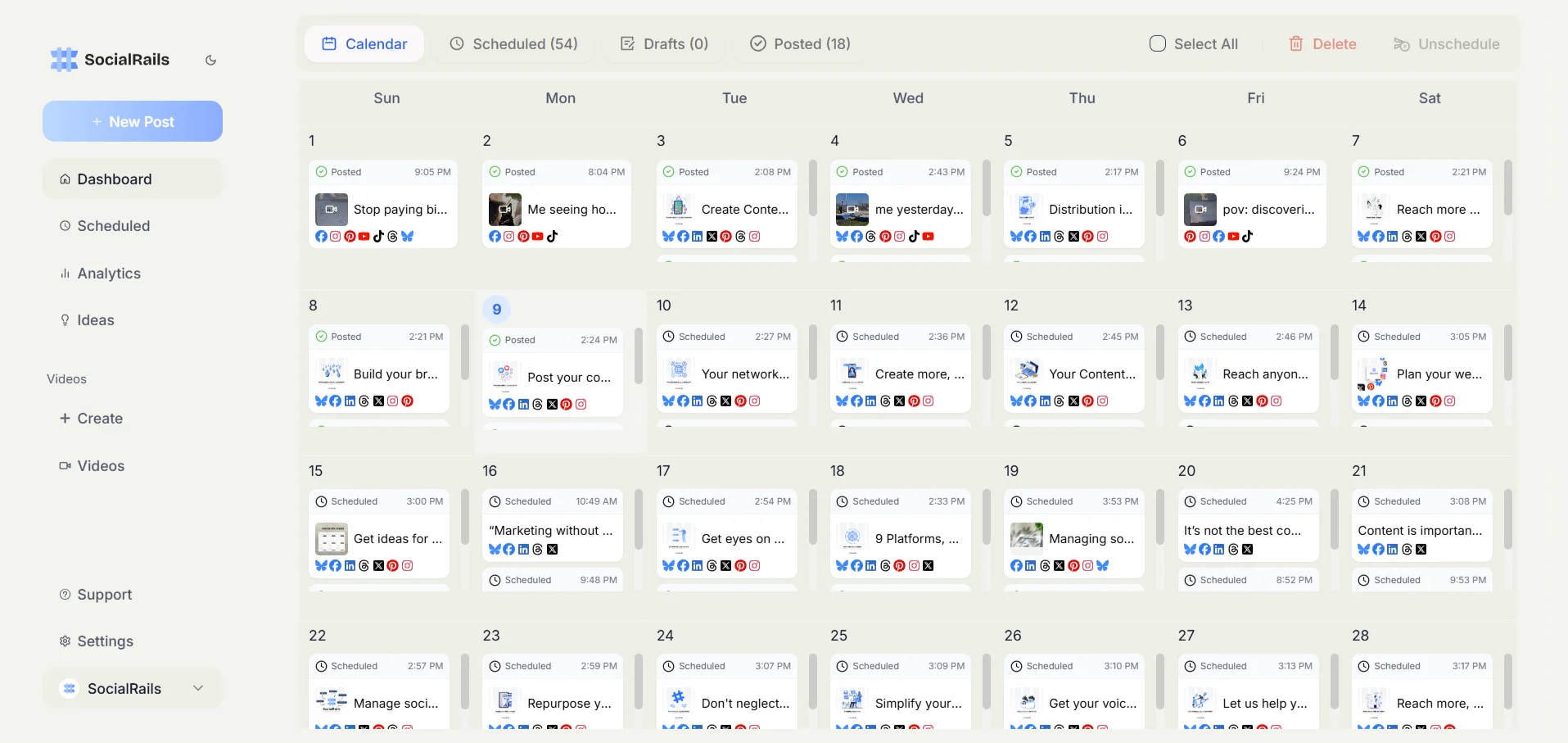
Top-Selling Product Categories at a Glance
1. Fashion & Apparel
What's selling:
- Athleisure and loungewear (year-round demand)
- Sustainable and recycled-material clothing
- Oversized and gender-neutral pieces
- Personalized/custom embroidered items
- Matching sets (coordinated outfits)
Why it works: Fashion has the highest repeat purchase rate of any ecommerce category. Customers buy seasonally and follow trends.
Where to source: Faire, Tundra, Alibaba, or print-on-demand (Printful, Printify).
2. Beauty & Skincare
What's selling:
- Peptide and retinol-based serums
- Korean beauty (K-beauty) routines
- Clean/natural/vegan products
- At-home beauty devices (LED masks, microcurrent)
- Lip products (always trending)
Why it works: High margins, consumable products that drive repeat purchases, and extremely visual, perfect for social media.
Where to source: Private label manufacturers (Alibaba), or create your own formulations.
You want to start selling skincare online. What makes it a strong category?
💡 Tip: Think carefully before selecting your answer!
3. Health & Wellness
What's selling:
- Protein powders and supplements
- Gut health products (probiotics, greens powders)
- Sleep aids (melatonin gummies, magnesium)
- Adaptogens (ashwagandha, lion's mane)
- Wellness journals and planners
Why it works: Subscription-friendly. Customers reorder monthly once they find products they trust.
Where to source: Private label supplement manufacturers, or curate from wholesale suppliers.
4. Home & Kitchen
What's selling:
- Smart home gadgets
- Kitchen organization tools
- Aesthetic kitchenware (minimalist styles)
- Candles and home fragrance
- Cleaning gadgets (viral social media products)
Why it works: Impulse purchase category. Products that go viral on TikTok sell out fast.
Where to source: Alibaba, wholesale distributors.
5. Tech Accessories
What's selling:
- Phone cases (personalized and protective)
- Wireless earbuds and accessories
- Laptop and tablet stands
- Cable organizers and desk accessories
- Portable chargers and power banks
Why it works: Low shipping costs, universal demand, easy to brand and customize.
Where to source: Alibaba, CJdropshipping, print-on-demand for custom cases.
You're a beginner with $300 to invest. Which product category makes the most sense to start with?
💡 Tip: Think carefully before selecting your answer!
6. Pet Products
What's selling:
- Personalized pet accessories (collars, tags, bowls)
- Interactive toys and puzzle feeders
- Orthopedic pet beds
- Natural/organic pet treats
- Pet clothing
Why it works: Pet owners spend emotionally. High gifting potential around holidays.
Where to source: Faire, Alibaba, local artisan suppliers.
7. Fitness & Sports
What's selling:
- Resistance bands and home gym equipment
- Yoga mats and accessories
- Recovery tools (massage guns, foam rollers)
- Smart fitness trackers and accessories
Why it works: Q1 New Year's resolutions drive seasonal spikes, but fitness products sell year-round.
8. Sustainable & Eco-Friendly Products
What's selling:
- Reusable bags, bottles, and containers
- Bamboo and biodegradable alternatives
- Refillable beauty and cleaning products
- Zero-waste starter kits
Why it works: Growing consumer demand for sustainable brands. Premium pricing is accepted and expected in this category.
How to Validate a Product Idea
Before investing, run through this checklist:
You found a product with zero competitors on Amazon. What does that likely mean?
💡 Tip: Think carefully before selecting your answer!
How to Promote Products on Social Media
Use SocialRails to schedule your product content across all platforms. Plan once, post everywhere.
FAQ
What's the best product to sell online for beginners?
Start with products that are lightweight (low shipping costs), have clear demand (check Google Trends and Amazon), and offer good margins (2.5x+ markup). Tech accessories, pet products, and home gadgets are solid starting categories.
How do I find trending products to sell?
Use Google Trends for search interest, TikTok's search feature for viral products, Amazon Best Sellers for category trends, and tools like Jungle Scout or Helium 10 for market data.
Is it better to sell on my own store or a marketplace?
Start on a marketplace (Etsy, Amazon) for built-in traffic, then build your own store (Shopify) for better margins and brand control. Many sellers run both simultaneously.
How much money do I need to start selling online?
With dropshipping: $100-300 (platform fees + marketing). With inventory: $500-2,000 (product + platform + marketing). Print-on-demand: under $100.
Related Guides
- Social Commerce: Complete Guide
- Social Media for Ecommerce
- Instagram Ecommerce Guide
- Product Launch Social Media Strategy
Create content, post everywhere
Create captions, images, and videos with AI. Schedule to 9 platforms in seconds.
Start your free trialWas this article helpful?
Let us know what you think!