

Distributed Marketing Explained: Complete Guide for Multi-Location Brands (2026)

Distributed marketing enables local teams and franchisees to execute brand-compliant campaigns while maintaining central oversight. This complete guide covers strategies, technology, and best practices for successful distributed marketing in 2026.
What is Distributed Marketing?
Definition
Distributed Marketing is a marketing approach where a central brand headquarters creates marketing materials, strategies, and guidelines that local teams, franchisees, or dealers can customize and execute for their specific markets. It balances brand consistency with local relevance.
Key Components
Three Core Elements:
- Central Control: Brand guidelines, approved assets, strategic direction
- Local Execution: Market-specific customization, local deployment, community engagement
- Technology Platform: Marketing automation software enabling both control and flexibility
Create content, post everywhere
Create captions, images, and videos with AI. Schedule to 9 platforms in seconds.
Start your free trial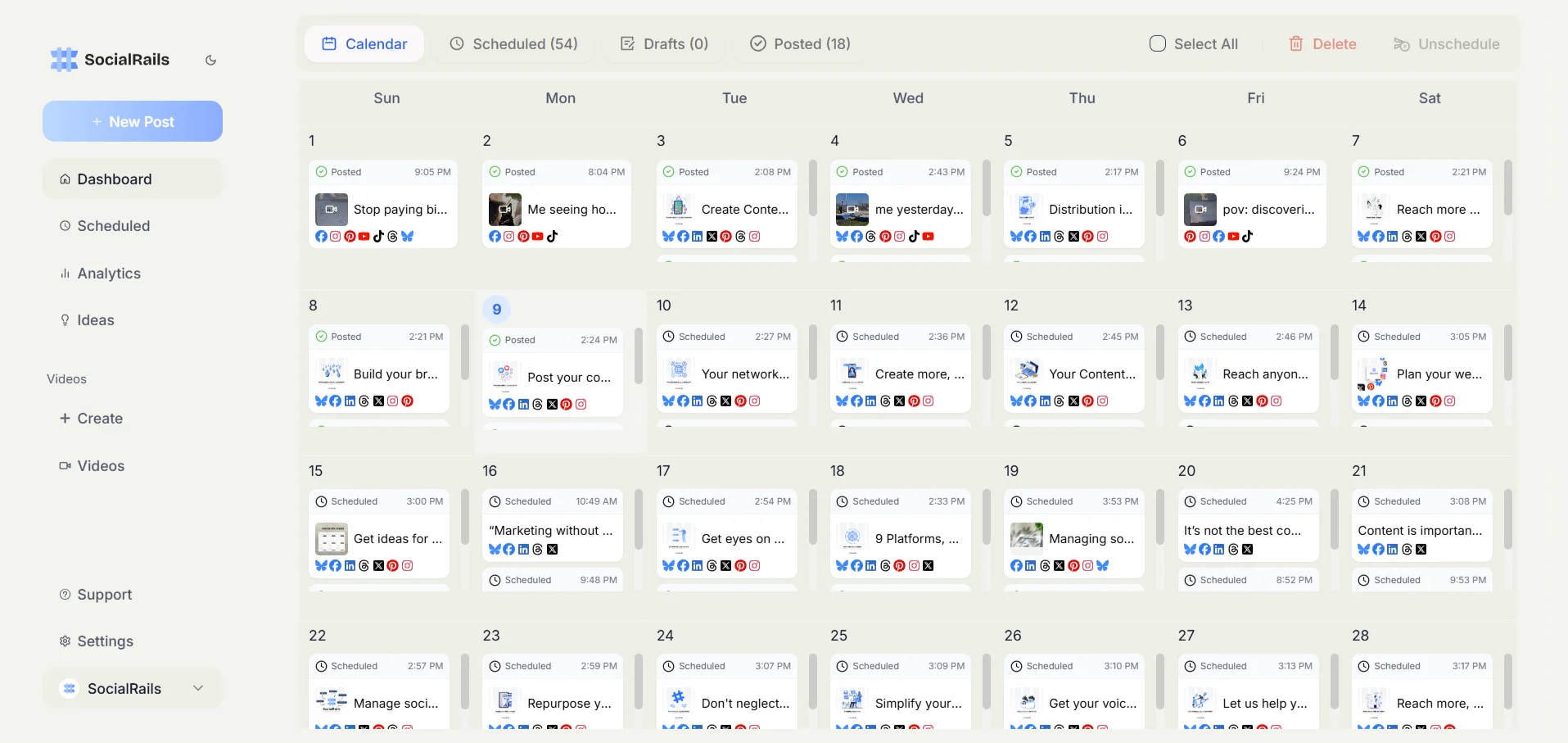
Who Needs Distributed Marketing?
Ideal Business Models
Franchises
- Fast food chains (McDonald's, Subway)
- Retail franchises (7-Eleven, The UPS Store)
- Service franchises (H&R Block, Anytime Fitness)
- Hotel chains (Marriott, Holiday Inn)
- See our complete franchise marketing plan guide for implementation strategies
Multi-Location Businesses
- Regional bank branches
- Car dealerships and automotive groups (see automotive social media marketing guide)
- Healthcare systems with multiple locations (see healthcare social media marketing guide)
- Real estate agencies
Dealer/Distributor Networks
- Consumer electronics brands
- Automotive manufacturers
- Industrial equipment suppliers
- Technology vendors
Partner/Reseller Programs
- Software companies with resellers
- B2B service providers
- Channel partner programs
- White-label solutions
Distributed Marketing vs Traditional Marketing
Distributed Marketing Strategy
1. Establish Brand Guidelines
Brand Standards Document
- Logo usage and variations
- Color palette (primary, secondary)
- Typography and fonts
- Voice and tone guidelines
- Imagery style and restrictions
- Legal and compliance requirements
Marketing Asset Library
- Pre-approved templates
- Stock photography library
- Brand graphics and icons
- Video assets
- Social media content templates
2. Create Localization Framework
What Can Be Customized
- Local business information (address, phone, hours)
- Regional offers and promotions
- Community event participation
- Local photography and testimonials
- Market-specific messaging
What Must Stay Consistent
- Core brand identity (logo, colors)
- Legal disclaimers and compliance
- Brand voice and positioning
- Quality standards
- Prohibited claims or content
3. Technology Platform Selection
Essential Platform Features
- Template management system
- Brand compliance controls
- Approval workflows
- Asset library/DAM (Digital Asset Management)
- Multi-channel publishing
- Analytics and reporting
- Training and support resources
Leading Platforms
- Sprout Social (social media distributed marketing)
- SOCi (multi-location social + reviews + local SEO)
- PromoRepublic (franchise social media with content libraries)
- Brandfolder (asset management)
- Lucidpress (template-based marketing)
- SocialRails (social media management at scale)
- Seismic (sales enablement)
For enterprises with 50+ locations, SOCi pricing starts around $23,000/year but includes AI-powered review responses.
Social Media Distributed Marketing
Central vs Local Social Media
Centrally Managed
- Corporate/brand social accounts
- National campaigns and announcements
- Brand storytelling and industry expertise
- Crisis management and PR
- Corporate news and updates
Locally Managed
- Location-specific accounts
- Community engagement
- Local events and promotions
- Customer service responses
- Hyper-local content
Social Media Management at Scale
Platform Setup
- Establish account naming conventions
- Create location pages/profiles
- Configure approval workflows
- Set up role-based permissions
- Implement compliance monitoring
Content Strategy
- Corporate content library
- Local content guidelines
- Hashtag strategy (branded + local)
- Response templates
- Content calendar framework
Best Practices
- Use social media management tools
- Enable content approval workflows
- Provide training and certification
- Monitor brand compliance
- Measure performance across locations
Content Distribution Strategies
Content Types for Distributed Marketing
Pre-Made Content (Use As-Is)
- Brand announcements
- National promotions
- Corporate messaging
- Educational content
- Industry expertise
Customizable Templates
- Local event promotions
- Store-specific offers
- Community involvement posts
- Holiday/seasonal campaigns
- Recruitment content
Locally Created Content
- Customer testimonials
- Behind-the-scenes team photos
- Community event coverage
- Location-specific updates
- User-generated content
Content Approval Workflows
Three-Tier Approval System
Tier 1: No Approval Needed
- Pre-approved corporate content
- Automated social posts
- Template-based content (auto-populated)
Tier 2: Light Touch Review
- Customized templates
- Local offers (within guidelines)
- Community engagement posts
- Quick turnaround (24-48 hours)
Tier 3: Full Review Required
- Custom creative content
- Legal or compliance concerns
- Crisis-related communications
- Major announcements
- Review time: 3-5 business days
Training and Enablement
Local Marketer Training Program
Onboarding Curriculum
- Brand guidelines overview
- Platform training and access
- Content creation best practices
- Social media policies
- Legal and compliance requirements
- Reporting and analytics
Ongoing Education
- Monthly webinars and updates
- Best practice sharing
- Success story spotlights
- Platform feature updates
- Industry trends and insights
Certification Programs
- Brand compliance certification
- Social media marketing certification
- Content creation certification
- Platform proficiency levels
Support Resources
Knowledge Base
- How-to guides and tutorials
- Video training library
- FAQs and troubleshooting
- Template usage instructions
- Best practice articles
Support Channels
- Help desk ticketing system
- Live chat support
- Email support
- Dedicated account managers
- Community forums
Measuring Distributed Marketing Success
Key Performance Indicators (KPIs)
Brand Consistency Metrics
- Brand guideline compliance rate
- Asset usage from approved library
- Time to market for campaigns
- Content approval turnaround time
Engagement Metrics
- Social media engagement by location
- Content performance across network
- User-generated content volume
- Local vs national content effectiveness
Business Impact
- Location-level lead generation
- Campaign ROI by market
- Customer acquisition costs
- Revenue attribution to marketing
Operational Efficiency
- Content creation time reduction
- Marketing spend optimization
- Local team productivity
- Support ticket resolution time
Analytics and Reporting
Dashboard Components
- Network-wide performance overview
- Location comparison and rankings
- Campaign performance tracking
- Content engagement metrics
- Compliance monitoring
Reporting Levels
- Corporate: Network-wide trends, top performers, areas for improvement
- Regional: Market-specific insights, competitive analysis
- Local: Individual location performance, tactical recommendations
Challenges and Solutions
Common Distributed Marketing Challenges
Challenge 1: Brand Consistency
- Problem: Local teams deviate from brand guidelines
- Solution: Technology guardrails, approval workflows, training
Challenge 2: Local Buy-In
- Problem: Locations don't use provided resources
- Solution: Make tools easy, show ROI, provide incentives
Challenge 3: Resource Constraints
- Problem: Local teams lack marketing expertise/time
- Solution: Turnkey solutions, automation, training
Challenge 4: Compliance Risks
- Problem: Legal issues from unauthorized content
- Solution: Automated compliance checks, approvals, education
Challenge 5: Measurement Complexity
- Problem: Difficulty tracking performance across locations
- Solution: Unified analytics platform, standardized reporting
Best Practices for Success
Do's
✓ Invest in Technology: Quality platform pays for itself ✓ Provide Training: Education drives adoption and compliance ✓ Balance Control & Freedom: Enable locals while protecting brand ✓ Measure Everything: Data drives continuous improvement ✓ Share Success Stories: Inspire adoption through peer examples ✓ Maintain Asset Library: Keep content fresh and relevant ✓ Solicit Feedback: Improve based on local team input
Don'ts
✗ Over-Control: Too restrictive kills local relevance ✗ Under-Support: Lack of training leads to poor execution ✗ Ignore Feedback: Local insights are valuable ✗ Neglect Updates: Stale content won't be used ✗ Skip Approvals: Compliance matters for brand protection ✗ Forget Recognition: Celebrate top-performing locations
Technology Stack for Distributed Marketing
Essential Tools
Marketing Automation Platform
- Central hub for all marketing activities
- Template management and customization
- Approval workflows
- Multi-channel publishing
- Analytics and reporting
Digital Asset Management (DAM)
- Centralized brand asset library
- Version control and organization
- Search and filtering
- Usage rights management
- Distribution to local teams
Social Media Management
- Multi-location account management
- Content scheduling and publishing
- Engagement monitoring
- Performance analytics
- Compliance monitoring
CRM Integration
- Lead tracking across locations
- Campaign attribution
- Customer data centralization
- Marketing automation triggers
Future of Distributed Marketing
Emerging Trends 2026
AI and Automation
- AI-powered content creation
- Automated localization
- Predictive analytics
- Smart content recommendations
- Chatbots for local support
Personalization at Scale
- Dynamic content customization
- Hyper-local targeting
- Behavioral triggers
- Omnichannel personalization
Better Analytics
- Real-time performance dashboards
- Predictive modeling
- Competitive benchmarking
- AI-driven insights
Frequently Asked Questions
What is distributed marketing?
Distributed marketing is a strategy where central brand headquarters creates marketing materials, guidelines, and strategies that local teams, franchisees, or dealers can customize and execute for their specific markets. It balances brand consistency with local market relevance, using technology platforms to enable both central control and local flexibility.
Who benefits most from distributed marketing?
Franchises, multi-location businesses, dealer networks, and companies with partner/reseller programs benefit most. Any organization with 10+ locations that needs to maintain brand consistency while enabling local market customization should consider distributed marketing strategies.
What technology is needed for distributed marketing?
Essential technology includes a marketing automation platform with template management, an approval workflow system, digital asset management (DAM) for brand assets, social media management tools for multi-location accounts, and analytics/reporting dashboards. Many all-in-one platforms combine these capabilities.
How do you maintain brand consistency in distributed marketing?
Maintain consistency through complete brand guidelines, pre-approved asset libraries, technology guardrails preventing off-brand customization, multi-tier approval workflows for custom content, regular training and certification, and monitoring/compliance tools that flag policy violations.
What's the difference between distributed marketing and local marketing?
Distributed marketing is the system and strategy enabling local marketing at scale. Local marketing refers to individual location-level marketing activities. Distributed marketing provides the framework, tools, and guidelines that enable local marketing while maintaining brand consistency across all locations.
How much does distributed marketing software cost?
Pricing varies widely based on features, number of locations, and user count. Expect $500-$5,000+ per month for platforms serving 10-100 locations. Enterprise solutions for 100+ locations often require custom pricing. ROI typically justifies cost through efficiency gains and improved marketing effectiveness.
Conclusion
Distributed marketing enables multi-location brands to scale marketing effectiveness while maintaining brand integrity. Success requires the right balance of central control and local flexibility, supported by robust technology, complete training, and continuous optimization.
Organizations that implement distributed marketing strategically see improved local marketing performance, greater brand consistency, increased operational efficiency, and measurable ROI improvements across their location network.
Start building your distributed marketing framework today with clear guidelines, the right technology platform, and a commitment to enabling local teams within brand guardrails.
Distributed Marketing Resources
- Social Media Management at Scale - Multi-location social media tools
- Local Marketing Automation Guide - Automate local campaigns
- Channel Marketing Automation Guide - Partner program automation
- Multi-Location Marketing Strategy - Complete framework
Enable your local teams with distributed marketing today!
Need distributed marketing software? Try SocialRails for multi-location social media management, approval workflows, and performance analytics across your entire network.
Was this article helpful?
Let us know what you think!