

Local Marketing Automation: Complete Guide for Multi-Location Businesses (2026)

Local marketing automation enables multi-location businesses to execute consistent brand campaigns while enabling location-specific customization at scale. This complete guide covers software selection, implementation strategies, and proven tactics for automating local marketing in 2026.
What is Local Marketing Automation?
Definition
Local Marketing Automation is technology that enables multi-location businesses to centrally create, manage, and distribute marketing campaigns that local teams can customize and execute for their specific markets. It combines brand control with local flexibility through automated workflows and templates.
Who Needs Local Marketing Automation?
Ideal Business Types
- Franchises with 10+ locations (see our franchise marketing plan guide)
- Multi-location retailers
- Restaurant chains
- Healthcare systems (see healthcare social media marketing guide)
- Financial services branches
- Real estate agencies
- Automotive dealerships (see automotive social media marketing guide)
- Service franchises
Key Indicators You Need Automation
- Managing 10+ locations manually
- Struggling with brand consistency
- Local teams lack marketing expertise
- Can't measure local marketing ROI
- Slow campaign deployment to locations
Create content, post everywhere
Create captions, images, and videos with AI. Schedule to 9 platforms in seconds.
Start your free trial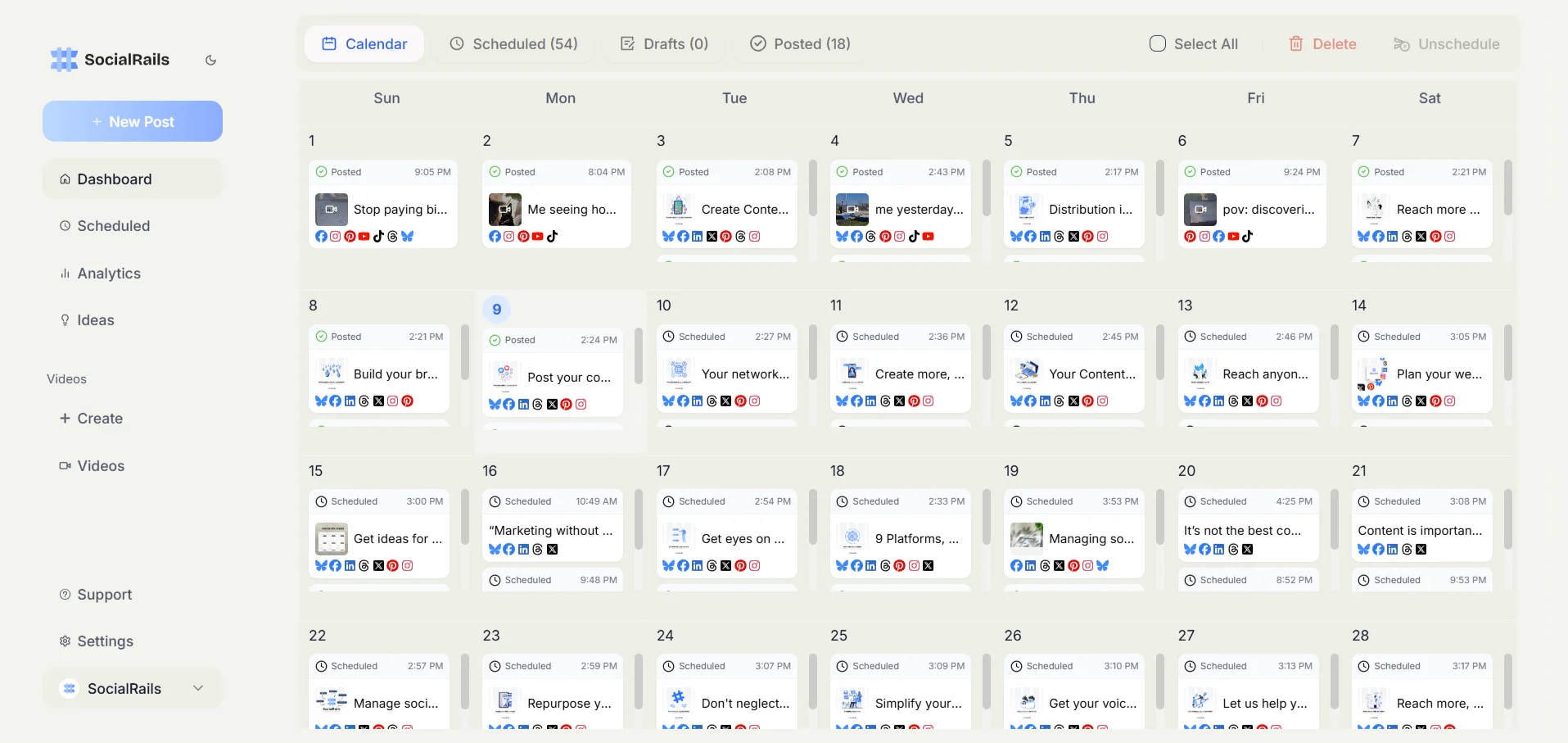
Benefits of Local Marketing Automation
Business Impact
Operational Efficiency
- Reduce marketing deployment time by 80%
- Eliminate manual campaign creation
- Centralize brand asset management
- Automate approval workflows
- Scale marketing without scaling headcount
Brand Consistency
- Enforce brand guidelines automatically
- Pre-approved templates with guardrails
- Prevent off-brand content creation
- Consistent messaging across locations
- Centralized quality control
Local Relevance
- Enable location-specific customization
- Support local events and promotions
- Community-focused campaigns
- Geo-targeted advertising
- Localized SEO optimization
Measurable Results
- Track performance by location
- Compare location effectiveness
- Prove marketing ROI
- Identify best practices
- Data-driven optimization
Local Marketing Automation Software
Essential Software Features
Core Automation Capabilities
- Template management system
- Marketing asset library (DAM)
- Multi-channel campaign publishing
- Approval workflow automation
- Brand compliance controls
- Role-based access permissions
- Analytics and reporting
Local Marketing Specific Features
- Location pages management
- Local SEO automation
- Google Business Profile integration
- Review management
- Local advertising tools
- Multi-location social media
- Localized landing pages
Leading Local Marketing Automation Platforms
Enterprise Solutions
- SproutLoud: Local marketing automation leader
- Rallio: Social media + local marketing focus
- SOCi: Local presence management platform with AI reviews (pricing)
- Vendasta: White-label marketing platform
- Tiger Pistol: Social advertising at scale
Mid-Market Options
- SocialRails: Multi-location social media automation
- PromoRepublic: Franchise social media with content libraries (pricing)
- HubSpot: Marketing automation with location tools
- Hootsuite: Social media management at scale
- Brandify: Local pages and listings management
- ChatmeterLocal: Reputation and presence management
Key Selection Criteria
- Number of locations supported
- Channel coverage (social, search, display)
- Integration capabilities
- Pricing model (per location vs flat fee)
- User training and support
- Customization flexibility
- Analytics depth
Local Marketing Automation Strategy
1. Centralized Brand Management
Brand Asset Library
- Logo variations and usage rules
- Pre-approved imagery and graphics
- Brand guidelines documentation
- Templates for all marketing channels
- Legal disclaimers and compliance
- Video and multimedia assets
Template Creation Strategy
- Design 80/20 templates (80% locked, 20% customizable)
- Create seasonal campaign templates with our Local Business Content Generator for location-specific posts
- Build evergreen content templates
- Develop industry-specific variants
- Include local customization fields
2. Local Team Enablement
Self-Service Portal
- Easy-to-use template selection
- Drag-and-drop customization
- One-click campaign deployment
- Marketing calendar visibility
- Asset download library
- Training resources
Training Program
- Platform onboarding tutorials
- Brand guidelines training
- Best practices documentation
- Video walkthroughs
- Ongoing support access
- Certification programs
3. Workflow Automation
Approval Process Automation
- Tier 1: Auto-approve (pre-approved templates)
- Tier 2: Manager review (minor customizations)
- Tier 3: Corporate approval (custom content)
- Notification automation
- Deadline tracking
- Version control
Campaign Deployment Automation
- Corporate creates campaign
- Push to all locations automatically
- Local teams customize (within guardrails)
- Auto-routing for approval if needed
- One-click publish across channels
- Performance tracking begins
Channel-Specific Automation
Social Media Automation
Multi-Location Social Strategy
- Central corporate accounts for brand
- Individual location pages/accounts
- Content library for local sharing
- Scheduled corporate posts
- Local team ability to add content
- Unified analytics dashboard
Automated Social Features
- Pre-scheduled content calendar
- Auto-publish corporate content
- Local customization options (compare Loomly vs SocialRails for multi-location management)
- Review response automation
- Social listening by location
- Cross-location performance comparison
Local SEO Automation
Google Business Profile Management
- Bulk profile updates
- Automated post publishing
- Review monitoring and responses
- Photo management
- Q&A monitoring
- Performance analytics
Local Landing Pages
- Auto-generated location pages
- NAP (Name, Address, Phone) consistency
- Embedded Google Maps
- Location-specific content
- Local schema markup
- Mobile optimization
Local Advertising Automation
Geo-Targeted Campaigns
- Facebook/Instagram local ads
- Google Local Service Ads
- Yelp advertising
- Nextdoor sponsorships
- Programmatic display ads
- Geofencing campaigns
Automated Ad Management
- Campaign templates by location
- Automatic budget allocation
- Location-based targeting
- Creative localization
- Performance-based optimization
- Centralized reporting
Email Marketing Automation
Local Email Strategy
- Corporate email templates
- Location-specific send lists
- Personalized content blocks
- Local event promotions
- Automated nurture sequences
- Triggered campaigns
Implementation Roadmap
Phase 1: Foundation (Months 1-2)
Platform Setup
- Select and purchase software
- Configure technical integrations
- Set up user accounts and permissions
- Create brand guidelines documentation
- Build initial template library (10-15 templates)
Pilot Program
- Select 3-5 pilot locations
- Intensive training and support
- Test campaigns and workflows
- Gather feedback
- Refine processes
Phase 2: Rollout (Months 3-4)
Location Onboarding
- Train all location managers
- Create video tutorials
- Provide quick-start guides
- Establish support channels
- Set success metrics
Template Library Expansion
- Add 25-50 campaign templates
- Create seasonal campaigns
- Build evergreen content
- Include all marketing channels
- Document best practices
Phase 3: Optimization (Months 5-12)
Performance Analysis
- Track location adoption rates
- Measure campaign effectiveness
- Compare location performance
- Identify top performers
- Share success stories
Continuous Improvement
- Update templates based on results
- Add new features and channels
- Optimize based on feedback
- Scale to more locations
- Build advanced automations
Best Practices for Success
Do's and Don'ts
Do's ✓ Start with pilot program (3-5 locations) ✓ Provide excellent training and support ✓ Make templates easy to customize ✓ Celebrate location successes ✓ Share best practices across network ✓ Monitor and enforce brand compliance ✓ Measure ROI by location
Don'ts ✗ Roll out to all locations at once ✗ Make templates too restrictive ✗ Neglect ongoing training ✗ Ignore local feedback ✗ Skip approval workflows ✗ Forget to measure results ✗ Over-complicate the platform
Engagement Strategies
Drive Platform Adoption
- Gamification and incentives
- Location leaderboards
- Recognition programs
- Success story spotlights
- Monthly contests
- Exclusive resources for top users
Ongoing Support
- Dedicated support channel
- Regular training webinars
- Office hours for questions
- Location manager community
- Resource library updates
Measurement and Analytics
Key Performance Indicators
Adoption Metrics
- Percentage of locations using platform
- Average campaigns per location
- Template usage rates
- Login frequency
- Training completion rates
Marketing Performance
- Lead generation by location
- Social media engagement rates
- Website traffic by location
- Review ratings and volume
- Local search rankings
- Advertising ROI
Business Impact
- Revenue by location
- Customer acquisition cost
- Marketing cost per location
- Brand consistency scores
- Customer satisfaction (NPS)
Analytics Dashboard
Location-Level Reporting
- Individual location performance
- Campaign effectiveness
- Channel performance breakdown
- Competitive benchmarking
- Goal tracking
Network-Wide Reporting
- Aggregate performance metrics
- Top/bottom performer analysis
- Best practice identification
- Trend analysis
- ROI calculation
Common Challenges and Solutions
Challenge 1: Low Location Adoption
Symptoms
- Less than 50% of locations using platform
- Minimal campaign activity
- Low login rates
Solutions
- Simplify onboarding process
- Provide one-on-one training
- Create quick-win campaigns
- Offer incentives for usage
- Demonstrate clear ROI examples
Your franchise has 50 locations but only 30% are using your marketing automation platform. What's the best first step to increase adoption?
💡 Tip: Think carefully before selecting your answer!
Challenge 2: Brand Inconsistency
Symptoms
- Locations creating off-brand content
- Inconsistent messaging
- Visual identity violations
Solutions
- Tighten template restrictions
- Require approval for custom content
- Provide more template variety
- Regular brand training
- Automated compliance monitoring
Challenge 3: Poor Performance
Symptoms
- Low engagement rates
- Few leads generated
- Locations abandoning campaigns
Solutions
- Refresh creative and messaging
- A/B test campaign elements
- Provide localization guidance
- Share top performer tactics
- Improve targeting strategies
Use Cases by Industry
Franchise Restaurants
Automation Opportunities
- Daily specials social posts
- Seasonal menu promotions
- Local event sponsorships
- Online ordering campaigns
- Loyalty program marketing
- Review management
Multi-Location Retail
Automation Opportunities
- Store opening announcements
- Sales and promotions
- Inventory showcase
- Local event participation
- Holiday campaigns
- Customer testimonials
Healthcare Systems
Automation Opportunities
- Service line promotions
- Provider spotlights
- Health awareness campaigns
- Patient education content
- Community health events
- Reputation management
Financial Services
Automation Opportunities
- Product promotions
- Financial education content
- Branch events
- Local community involvement
- Compliance-approved messaging
- Branch-specific offers
Future Trends 2026
AI-Powered Automation
Emerging Capabilities
- AI-generated local content variations
- Predictive performance optimization
- Automated A/B testing
- Smart budget allocation
- Content personalization at scale
- Sentiment analysis
Advanced Integration
Platform Connectivity
- CRM system integration
- Point-of-sale data connection
- Inventory management sync
- Appointment scheduling integration
- Customer data platforms
- Marketing attribution modeling
Frequently Asked Questions
What is local marketing automation software?
Local marketing automation software is a platform that enables multi-location businesses to centrally manage and distribute marketing campaigns that local teams can customize and execute for their specific markets. It combines brand control, template management, approval workflows, and performance analytics to scale local marketing efficiently.
How much does local marketing automation software cost?
Pricing varies widely based on number of locations, features, and provider. Expect $500-$2,000/month for 10-50 locations, $2,000-$10,000/month for 50-200 locations, and custom enterprise pricing for larger networks. Most platforms charge per location with volume discounts. ROI typically justifies investment within 6-12 months.
How long does implementation take?
Typical implementation takes 2-6 months: 1-2 months for platform setup and pilot program, 1-2 months for full rollout, and ongoing optimization. Larger location networks or complex integrations may take 6-12 months for complete deployment and adoption.
What's the difference between local marketing automation and marketing automation?
Traditional marketing automation focuses on email and nurture campaigns for a single entity. Local marketing automation specifically addresses multi-location business needs: brand consistency across locations, local customization within guardrails, distributed team management, location-specific performance tracking, and scalable approval workflows.
How do you measure local marketing automation ROI?
Measure ROI through: time savings (reduced manual work), improved location performance (leads, revenue), increased adoption rates, brand consistency improvements, marketing cost reductions, and faster campaign deployment. Compare pre and post-automation metrics across locations for clear ROI calculation.
Can local marketing automation work for small businesses?
Yes, but it's most beneficial for businesses with 10+ locations. With fewer locations, manual coordination may be more cost-effective. However, rapidly growing small businesses planning to scale to multiple locations should consider implementing automation early to establish processes before complexity increases.
Conclusion
Local marketing automation transforms multi-location business marketing from chaotic and inconsistent to organized and effective. Success requires the right software platform, complete training, balanced brand control with local flexibility, and continuous optimization based on performance data.
Businesses implementing local marketing automation see improved brand consistency, faster campaign deployment, increased local team productivity, measurable location performance, and ultimately higher revenue across their location network.
Start your local marketing automation journey today with a pilot program at 3-5 locations, prove ROI quickly, and scale systematically across your entire network.
Local Marketing Resources
- Distributed Marketing Guide - Multi-location marketing strategy
- Channel Marketing Automation - Partner program automation
- Social Media Management - Multi-location social media tools
Scale your multi-location marketing with automation today!
Need local marketing automation software? Try SocialRails for multi-location social media management with brand controls, approval workflows, and location-level analytics.
Was this article helpful?
Let us know what you think!