
Facebook Audience Insights: Complete Guide to Understanding Your Audience

Facebook Audience Insights: Complete Guide to Understanding Your Audience
Facebook Audience Insights is a free tool inside Meta Business Suite. It shows you the demographics, interests, and behaviors of the people who follow your Facebook page, and it lets you research audiences you have not reached yet.
Create content, post everywhere
Create captions, images, and videos with AI. Schedule to 9 platforms in seconds.
Start your free trial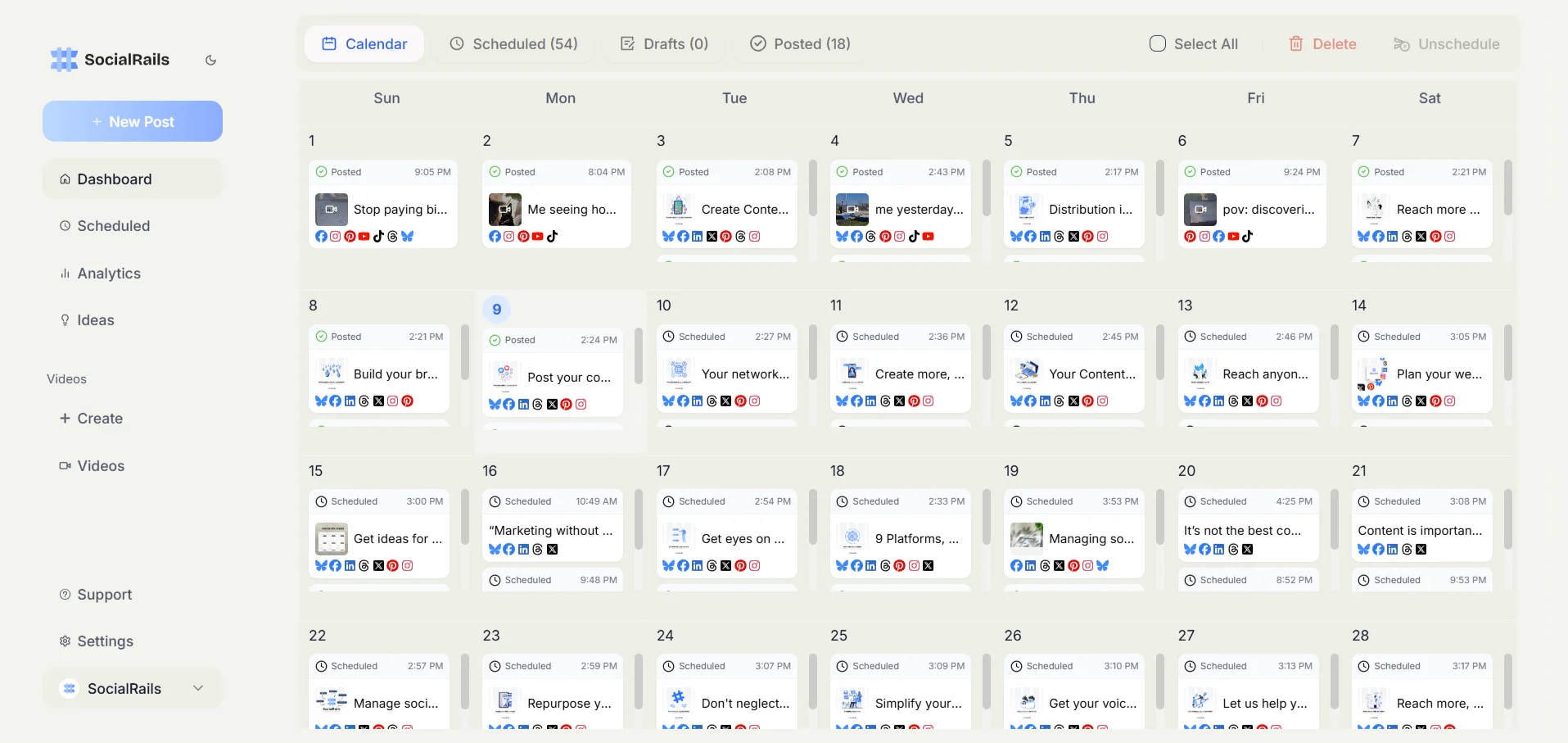
How to Access Facebook Audience Insights
The standalone Audience Insights tool was retired in 2021. It now lives inside Meta Business Suite. You can also reference Meta's official Business Help Center for the latest navigation updates.
- Go to business.facebook.com
- Click Insights in the left sidebar
- Select Audience from the submenu
- Pick Current Audience or Potential Audience
Current Audience reports on your existing followers. Potential Audience lets you define a hypothetical audience by location, age, gender, and interests, then see its size and makeup.
The Metrics That Actually Matter
Demographics
Page Likes and Interests
This tab shows what other pages your audience follows. It tells you:
- Which content themes already resonate with them
- Which competitor pages they also like
- Which complementary brands could be partnership targets
- Which interest layers to add to your ad targeting
Activity
Activity data reveals how your audience uses Facebook:
- Device split (desktop vs. mobile)
- Engagement frequency (comments, likes, shares, ad clicks)
- Purchase behavior (online shopping patterns, where available)
The device and timing data here is often more useful than demographics alone, because it tells you when and where to show up.
Where do you find Audience Insights in 2026?
Page Insights vs. Audience Insights
These two tools answer different questions.
Page Insights tells you what works. Audience Insights tells you who you are reaching. You need both.
Using Audience Insights for Content Strategy
1. Audit Your Current Audience
Open Current Audience and look for patterns.
- Age concentration. If most followers are 25-34, short video will likely outperform long articles. If they skew 45-54, the opposite may be true.
- Geographic clusters. When a large share of your audience sits in one city or region, create local content and schedule posts for that time zone.
- Gender ratio. A heavy skew means your content naturally appeals more to one group. Decide whether to lean into that or broaden your approach.
2. Research Your Potential Audience
Switch to Potential Audience and build your ideal customer profile.
- Set location, age, and gender filters
- Add interest categories tied to your product
- Compare that potential audience to your current one
- Look for gaps: demographics that should care about your product but are missing from your follower base
Those gaps are your growth targets.
3. Mine Interest Data for Content Ideas
The Top Pages section shows exactly what your audience cares about outside your brand.
If they follow cooking pages, fitness pages, and travel pages, you know lifestyle content will land. Use this to plan content calendars and generate Facebook content ideas that connect your product to their existing interests.
Your Audience Insights show that 80% of your followers use mobile and are most active between 7-9 PM. What should you do first?
4. Sharpen Your Ad Targeting
Audience Insights feeds directly into better Facebook ads.
- Layered targeting: Combine demographics with interest data for precise audiences
- Lookalike audiences: Use your best-performing segment as the seed audience
- Exclusions: Remove demographics that follow your page but never engage
For details on character limits when writing your ad copy, see our Facebook ad character limits guide.
Best Practices
Check monthly, not quarterly. Audiences shift faster than most marketers expect. Monthly reviews catch changes before they become problems.
Compare time periods. After a campaign, viral post, or seasonal event, compare your audience composition to the previous period. See what changed.
Export your data. Download insights and track key metrics in a spreadsheet. The tool does not visualize long-term trends well, but a simple spreadsheet does.
Cross-reference platforms. Combine Facebook data with Instagram analytics, Google Analytics, and your CRM. Tools that measure social media performance across platforms make this faster.
Segment first. Do not analyze your total audience as one block. Break it into engaged users vs. all followers. The engaged segment is where the real patterns are.
Mistakes That Waste Your Time
Looking only at demographics. Age and gender alone do not predict behavior. Layer in interests and activity data, or you are guessing.
Skipping the Activity tab. Knowing your audience is mostly on mobile between 7-9 PM is more useful than knowing their average age.
Ignoring Potential Audience. Most marketers only look at current followers. The Potential Audience tool is how you find new growth segments.
Confusing reach with engagement. High reach and low engagement means your content is getting shown but not clicked, liked, or shared. Revisit your content strategy.
Not studying competitor overlap. The page affinity data shows which competitor pages your audience follows. Study what those pages do well, then adapt.
Alternative Tools for Deeper Analysis
Facebook Audience Insights covers the basics. For more depth, consider these:
For more options, see our social media analytics tools comparison and competitor analysis tools.
What is the main difference between Current Audience and Potential Audience in Meta Business Suite?
Frequently Asked Questions
Is Facebook Audience Insights free?
Did Facebook remove Audience Insights?
Can I see individual user data?
How large does my audience need to be?
How often does the data refresh?
Can I use Audience Insights without running ads?
What is the difference between Current Audience and Potential Audience?
What to Do Next
Open Meta Business Suite and pull up your Current Audience data. Compare it to your ideal customer profile.
Any mismatch between who follows you and who you want to reach is a signal to adjust your Facebook content strategy or your ad targeting.
For a broader view of your marketing performance, see our guide on tracking social media ROI.
Was this article helpful?
Let us know what you think!