
The Secret Method to Find Your Competitors' Winning Facebook Ads

The Secret Method to Find Your Competitors' Winning Facebook Ads
Your competitors are revealing their entire advertising strategy for free, but most businesses don't know how to access this goldmine of intelligence. While they're spending thousands figuring out what works through trial and error, you can skip the guesswork by analyzing their successful campaigns. This complete guide reveals the exact methodology to spy on competitors' Facebook ads legally and ethically.
Create content, post everywhere
Create captions, images, and videos with AI. Schedule to 9 platforms in seconds.
Start your free trial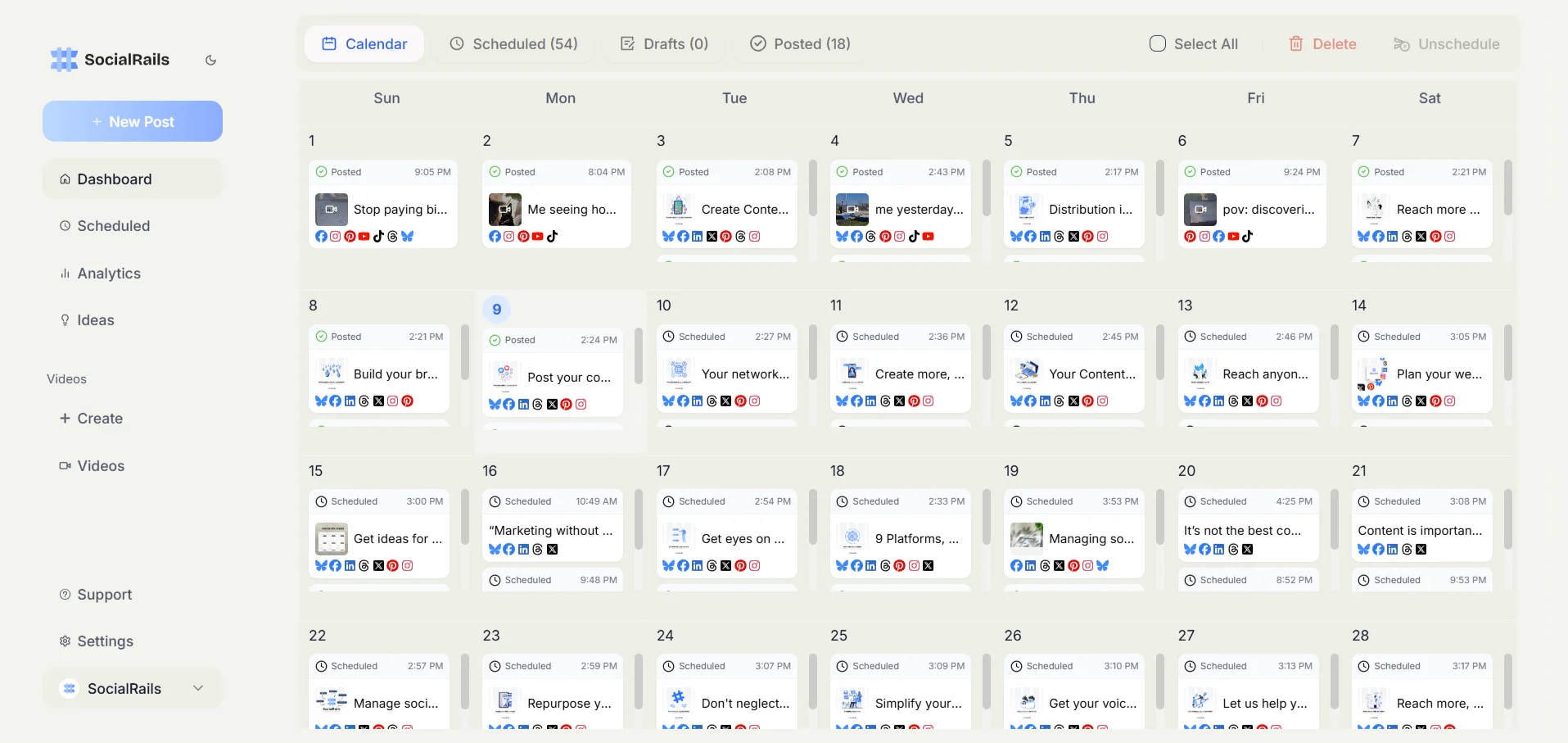
Why Competitor Ad Research Is Your Secret Weapon
Every successful Facebook ad represents hundreds or thousands of dollars in testing and optimization. When competitors run the same ad for months, they're essentially telling you: "This is working." By systematically analyzing competitor ads, you can:
- Identify proven creative formats that resonate with your shared audience
- Discover untapped targeting opportunities your competitors are using
- Avoid costly testing by learning from others' experiments
- Spot market gaps where competitors aren't advertising
- Track competitive positioning and messaging strategies
The Competitive Intelligence Advantage
Businesses that regularly conduct competitor ad analysis often see better campaign performance compared to those who don't. The reason is simple: you're building on proven strategies rather than starting from scratch.
Facebook Ad Library: Your Free Competitive Intelligence Tool
Facebook's Ad Library is a transparency initiative that makes all active and inactive ads publicly viewable. This isn't a hack or workaround – it's an official Facebook tool designed for transparency.
Accessing Facebook Ad Library
Direct Access:
- Go to facebook.com/ads/library
- No login required for basic searches
- Available for all countries and ad categories
- Includes Instagram ads (same platform)
Advanced Access:
- Create a Facebook account for enhanced filtering
- Access historical data (up to 7 years)
- Download ad data for analysis
- Set up monitoring alerts (third-party tools)
Understanding Ad Library Information
Available Data Points:
- Ad creative (images, videos, copy)
- Start and end dates
- Page information and verification status
- Estimated audience size and demographics
- Ad spend ranges (for political ads)
- Platform placement information
Limitations:
- Exact targeting criteria not shown
- Performance metrics not available
- Budget information limited
- Real-time updates may have delays
Quick Decision Tree: Which Competitors Should You Analyze?
🎯 Competitor Priority Matrix
| Competitor Type | Priority | What to Learn | Time Investment |
|---|---|---|---|
| Direct Competitors | HIGH | Positioning, offers, creative | Weekly monitoring |
| Market Leaders | MEDIUM | Best practices, trends | Monthly review |
| Indirect Competitors | LOW | Alternative approaches | Quarterly check |
| Aspirational Brands | OPTIONAL | Innovation, creativity | As needed |
Step-by-Step Competitor Research Process
Phase 1: Competitor Identification
Direct Competitors:
- Companies selling identical products/services
- Similar price points and target markets
- Competing for the same keywords
- Shared customer demographics
Indirect Competitors:
- Alternative solutions to the same problem
- Adjacent industries with audience overlap
- Companies targeting similar life stages/situations
- Brands with complementary products
Aspirational Competitors:
- Industry leaders you want to emulate
- Companies with successful scaling models
- Brands known for exceptional marketing
- International competitors in similar markets
Phase 2: Facebook Ad Library Search
Basic Search Method:
- Enter competitor company name
- Select "All ads" from dropdown
- Filter by country/region
- Set date range (last 30-90 days)
- Review active and recent ads
Advanced Search Techniques:
- Search by keyword phrases your competitors use
- Look up competitor Facebook page names
- Search for branded terms and product names
- Use variations of company names and abbreviations
Phase 3: Systematic Ad Analysis
Creative Analysis Framework:
- Image/video style and composition
- Color schemes and brand elements
- People vs. product focus
- Lifestyle vs. functional positioning
- Emotional vs. logical appeals
Copy Analysis Elements:
- Headlines and primary text length
- Value propositions emphasized
- Call-to-action language used
- Urgency and scarcity tactics
- Pain points addressed
Technical Elements:
- Ad formats used (single image, carousel, video)
- Placement strategies (Feed, Stories, etc.)
- Landing page connections
- Lead magnet offers
- Social proof elements
Advanced Research Strategies
Timeline Analysis Method
30-Day Pattern Recognition:
- Daily ad launches and changes
- Campaign duration patterns
- Seasonal messaging shifts
- Product launch sequences
- Response to market events
Long-Term Trend Analysis:
- Quarterly messaging evolution
- Annual campaign patterns
- Product lifecycle advertising
- Market expansion strategies
- Brand positioning changes
Cross-Platform Intelligence Gathering
Instagram Research:
- Stories ad formats
- Reels advertising strategies
- IGTV promotional content
- Shopping tag usage
- Influencer collaboration patterns
YouTube and Google Ads:
- Video ad creative translation
- Search keyword strategies - see our Google Ads Competitor Analysis Guide
- Display ad variations
- Retargeting campaign approaches
- Google Ads Audit Guide for optimizing PPC
- Content marketing integration
Audience Intelligence Extraction
Demographic Clues from Ad Creative:
- Age ranges suggested by models/imagery
- Gender targeting implications
- Lifestyle and income indicators
- Geographic references
- Cultural and language considerations
Behavioral Targeting Indicators:
- Purchase behavior references
- Interest-based messaging
- Life event targeting clues
- Device usage implications
- Time-sensitive offers
Tools for Enhanced Competitor Analysis
Free Research Tools
Facebook Ad Library (Official):
- Complete ad transparency
- Historical data access
- Basic filtering capabilities
- Direct creative downloads
- No cost or limitations
Social Media Monitoring:
- Manual page monitoring
- Google Alerts for brand mentions
- Social platform native search
- Hashtag tracking tools
- Industry publication coverage
Paid Intelligence Platforms
BigSpy:
- Advanced filtering options
- Performance estimation
- Creative database search
- Multi-platform coverage
- Trend analysis tools
AdSpy:
- Detailed targeting insights
- Landing page analysis
- Affiliate network intelligence
- Advanced search filters
- Historical performance data
PowerAdSpy:
- AI-powered ad discovery
- Engagement prediction
- Demographic analysis
- Competition tracking
- Creative optimization suggestions
Minea:
- E-commerce focus
- Product research integration
- Winning product identification
- Store analysis tools
- Market trend tracking
Browser Extensions and Automation
AdSpy Chrome Extension:
- Real-time ad detection
- Automatic save functionality
- Quick competitor analysis
- Social media integration
- One-click research
Custom Automation Scripts:
- API-based data collection
- Automated reporting
- Alert systems for new ads
- Database building tools
- Performance tracking integration
Analyzing Competitor Ad Performance
Performance Indicators (Without Direct Metrics)
Duration Analysis:
- Ads running 30+ days likely performing well
- Quick removal suggests poor performance
- Seasonal restart patterns indicate success
- A/B test evidence through variations
- Budget increase indicators
Creative Iteration Patterns:
- Multiple versions suggest optimization
- Gradual creative evolution
- Seasonal adaptation strategies
- Platform-specific adjustments
- Audience segment variations
Engagement Quality Assessment:
- Comment sentiment analysis
- Share and reaction patterns
- Question responses from brands
- User-generated content levels
- Community building evidence
Reverse-Engineering Successful Campaigns
Creative Elements Analysis:
- Visual hierarchy and layout
- Color psychology application
- Typography and messaging hierarchy
- Brand element placement
- Call-to-action positioning
Psychological Triggers Identification:
- Scarcity and urgency tactics
- Social proof elements
- Authority and credibility signals
- Reciprocity and value demonstration
- Fear of missing out (FOMO) creation
Funnel Architecture Insights:
- Lead magnet strategies
- Email capture methods
- Retargeting campaign sequences
- Customer journey mapping
- Conversion optimization techniques
Competitive Intelligence Organization
Data Collection Systems
Spreadsheet Organization:
- Competitor name and category
- Ad creative and copy elements
- Dates active and duration
- Estimated audience and targeting
- Performance indicators noted
Database Structure:
- Creative asset library
- Copy bank with variations
- Targeting hypothesis tracking
- Performance timeline data
- Trend identification markers
Visual Inspiration Boards:
- Pinterest or Milanote organization
- Creative style categorization
- Color scheme collections
- Layout and composition references
- Typography style guides
Monitoring and Alert Systems
Manual Monitoring Schedule:
- Weekly competitor page reviews
- Monthly comprehensive analysis
- Quarterly trend identification
- Annual strategy assessment
- Event-triggered research (launches, etc.)
Automated Tracking Setup:
- Google Alerts for brand mentions
- Social media monitoring tools
- RSS feed subscriptions
- Industry newsletter monitoring
- Third-party alert services
Legal and Ethical Considerations
What's Legally Permissible
Public Information Access:
- Facebook Ad Library is public record
- Social media posts are public
- Press releases and news coverage
- Patent and trademark filings
- SEC filings for public companies
Ethical Research Practices:
- Using insights for inspiration, not copying
- Respecting intellectual property rights
- Avoiding trademark infringement
- Creating original variations
- Maintaining competitive fairness
What to Avoid
Prohibited Practices:
- Directly copying ad creative
- Using competitors' branded terms
- Trademark infringement
- Copyright violation
- Deceptive comparison tactics
Platform Violation Risks:
- Impersonating competitors
- Using their logos without permission
- Making false competitive claims
- Violating platform advertising policies
- Creating misleading comparisons
Applying Competitive Intelligence
Creative Inspiration Strategy
Adaptation Framework:
- Identify successful creative patterns
- Analyze core psychological triggers
- Adapt concepts to your brand voice
- Test variations against your audience
- Measure performance improvements
Innovation Opportunities:
- Combine successful elements from multiple competitors
- Identify gaps in competitor approaches
- Develop superior value propositions
- Create unique creative angles
- Establish differentiated positioning
Targeting Strategy Development
Audience Insights Application:
- Demographic pattern recognition
- Interest-based targeting hypothesis
- Behavioral targeting opportunities
- Geographic expansion possibilities
- Device and placement optimization
Competitive Advantage Creation:
- Underserved audience identification
- Premium positioning opportunities
- Value-based differentiation
- Service level improvements
- Unique benefit communication
Campaign Planning Integration
Strategic Planning Process:
- Quarterly competitive analysis
- Trend identification and validation
- Campaign concept development
- Creative brief incorporation
- Performance benchmark setting
Execution Methodology:
- Inspiration-driven creative development
- Competitive differentiation emphasis
- Market gap exploitation
- Superior value demonstration
- Unique positioning establishment
Measuring Competitive Intelligence ROI
Key Performance Indicators
Campaign Performance Improvements:
- Cost per acquisition reduction - benchmark against Facebook CPM rates by industry
- Click-through rate increases
- Conversion rate optimization
- Return on ad spend improvement
- Brand awareness growth
Market Position Indicators:
- Competitive share growth
- Brand mention increases
- Market leadership perception
- Customer acquisition improvements
- Revenue growth correlation
Long-Term Strategic Benefits
Competitive Advantages:
- Faster campaign development
- Reduced testing costs
- Market opportunity identification
- Strategic positioning improvements
- Innovation pipeline development
Risk Mitigation:
- Competitive threat early warning
- Market shift identification
- Strategy validation
- Resource allocation optimization
- Defensive strategy development
Future of Competitive Intelligence
Technology Evolution Impact
AI-Powered Analysis:
- Automated pattern recognition
- Predictive performance modeling
- Sentiment analysis integration
- Real-time competitive monitoring
- Strategic recommendation engines
Privacy Regulation Effects:
- Data availability changes
- Attribution model impacts
- Targeting restriction effects
- Transparency requirement increases
- Compliance consideration growth
Platform Evolution Considerations
Algorithm Changes:
- Competitive advantage shifts
- Creative format preferences
- Targeting capability evolution
- Performance metric changes
- Optimization strategy adaptation
New Platform Emergence:
- TikTok advertising growth
- LinkedIn creative expansion
- YouTube Shorts opportunities
- Emerging platform monitoring
- Cross-platform strategy integration
Conclusion
Competitive intelligence isn't about copying – it's about learning from the millions of dollars your competitors have already spent figuring out what works. By systematically analyzing competitor Facebook ads, you gain invaluable insights that can accelerate your own success while avoiding costly mistakes.
The businesses that consistently outperform their competition don't just focus on their own campaigns – they study the entire competitive landscape and use those insights to build superior strategies. Facebook's Ad Library provides unprecedented access to this intelligence, but success depends on applying a systematic methodology to extract and apply insights effectively.
Start your competitive intelligence program today by identifying your top 5-10 competitors and analyzing their current Facebook ad campaigns. Document patterns, hypothesize about their strategies, and test inspired variations in your own campaigns. Remember: the goal isn't to copy but to innovate based on proven market insights.
In today's competitive digital marketing landscape, the businesses that invest in competitive intelligence gain sustainable advantages that compound over time. Don't let your competitors' hard-won insights go to waste – use them to build better, more effective advertising campaigns that drive superior results for your business.
Next Steps for Facebook Advertising Success
Ready to implement what you've learned? Explore these essential resources:
Was this article helpful?
Let us know what you think!