
Facebook Ad Library: Complete Guide to Competitor Research (January 2026)

Facebook Ad Library: Complete Guide to Competitor Research (January 2026)
The Facebook Ad Library is your gateway to understanding the advertising landscape across Facebook, Instagram, and other Meta platforms. This comprehensive guide reveals how to leverage this free tool for competitor research, creative inspiration, and market analysis.
Deciding where to advertise? See our comparison of LinkedIn Ads vs Facebook Ads to choose the right platform for your business. Affiliate marketers should also check our Facebook Ads for Affiliate Marketing Guide for compliant strategies.
Create content, post everywhere
Create captions, images, and videos with AI. Schedule to 9 platforms in seconds.
Start your free trial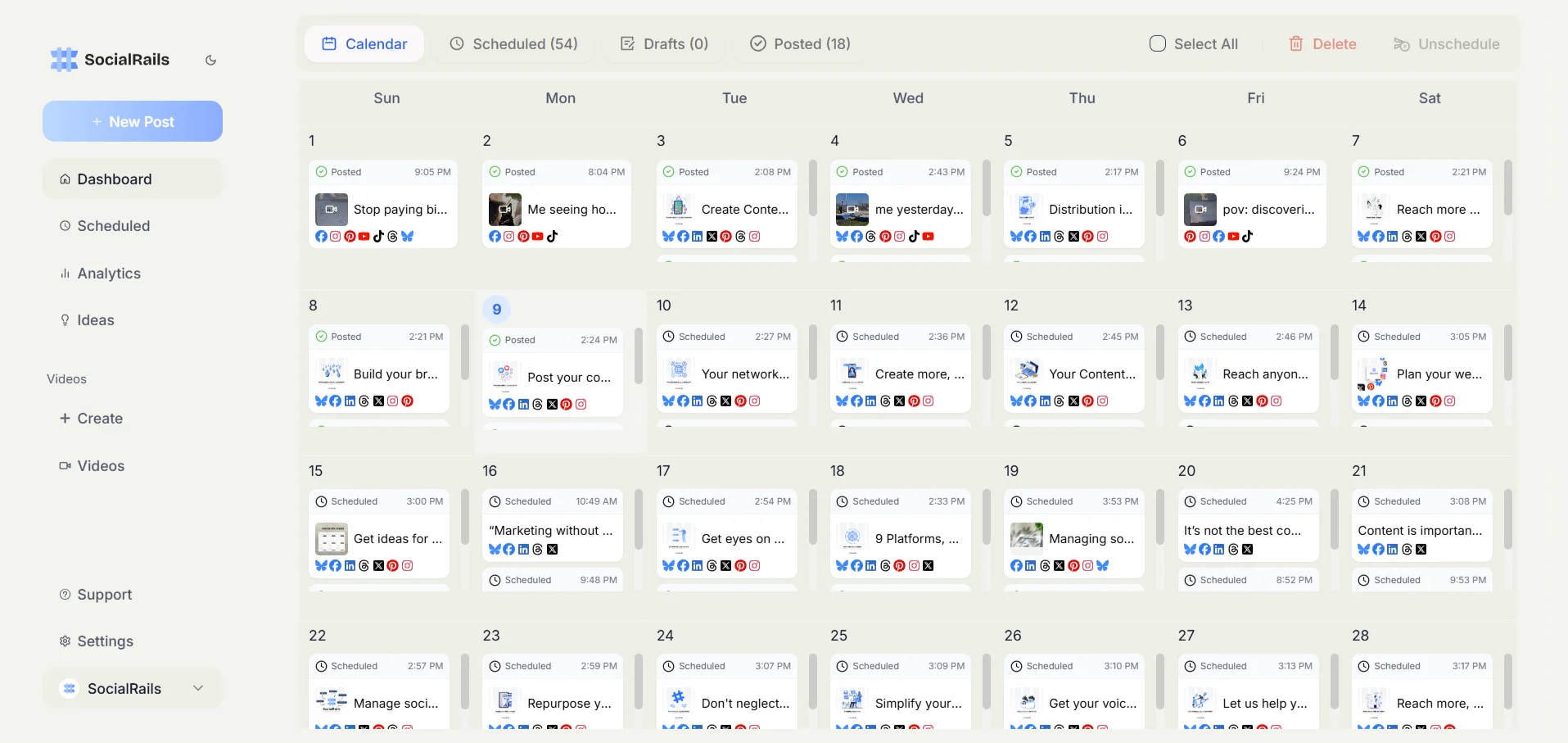
What is Facebook Ad Library?
Facebook Ad Library is Meta's public database of all active and inactive ads running across Facebook, Instagram, Messenger, and the Audience Network. Launched in 2018 for transparency, it provides unprecedented access to advertising data for competitive intelligence.
Key Features:
- Public Access: No login required for basic searches
- Real-time Data: Updated continuously as ads go live
- Historical Archive: Access to past ad campaigns
- Global Coverage: Ads from all countries and regions
- Multiple Platforms: Facebook, Instagram, and partner networks
How to Access Facebook Ad Library
Direct Access Methods
- Official Website: Visit
facebook.com/ads/library - Facebook Business Manager: Navigate to "Ad Library" in the menu
- Mobile Access: Use the Facebook app's search function
- API Access: For developers and advanced users
Search Interface
The Ad Library search interface includes:
- Advertiser Name: Search by exact business name
- Country Filter: Focus on specific geographic markets
- Category Selection: Filter by industry or ad type
- Date Range: Analyze campaigns over time
- Status Filter: Active, inactive, or all ads
Advanced Search Strategies
Effective Search Techniques
1. Exact Brand Searches
Search: "Nike" (with quotes for exact matches)
Alternative: Nike, NIKE, nike
2. Industry Keyword Research
Search: "running shoes", "fitness apparel", "athletic wear"
Filter: Active ads only, last 30 days
3. Competitor Discovery
Method: Search broad industry terms
Result: Discover new competitors you didn't know about
Advanced Filters and Settings
- Ad Category: Focus on political, social issues, or general ads
- Impression Data: Available for some ad categories
- Spend Ranges: Estimate budget allocations
- Demographics: Target audience insights
- Placement Analysis: Where ads appear across platforms
Competitive Analysis Framework
1. Creative Analysis
Visual Elements to Study:
- Color schemes and brand consistency
- Image vs. video ad performance
- Creative formats (carousel, single image, video)
- Text overlay usage and positioning
- Logo placement and branding
Copy Analysis:
- Headlines and primary text patterns
- Call-to-action button variations
- Emotional triggers and messaging
- Value propositions and offers
- Language tone and style
Understanding Facebook ad character limits helps you benchmark competitor copy length and identify how top advertisers maximize their messaging within platform constraints.
2. Campaign Strategy Insights
Timing Patterns:
- Seasonal campaign launches
- Promotional calendar alignment
- Product launch coordination
- Event-based advertising
Budget Allocation:
- Ad frequency and duration
- Campaign overlap strategies
- Geographic prioritization
- Platform-specific spending
3. Targeting Intelligence
Audience Insights:
- Demographic targeting patterns
- Interest-based audience segments
- Lookalike audience strategies
- Retargeting campaign identification
Placement Strategy:
- Feed vs. Stories preference
- Instagram vs. Facebook focus
- Audience Network utilization
- Messenger ad implementation
Industry-Specific Research Applications
E-commerce Businesses
Product Launch Analysis:
- Track competitor product launches
- Analyze promotional strategies
- Study seasonal campaign patterns
- Identify pricing and offer strategies
Creative Inspiration:
- Product photography styles
- User-generated content usage
- Video marketing approaches
- Social proof implementation
B2B Companies
Lead Generation Insights:
- White paper promotion strategies
- Webinar marketing approaches
- Case study advertisement methods
- Content marketing integration
Professional Targeting:
- Job title and industry targeting
- LinkedIn vs. Facebook strategies
- Professional content approaches
- Decision-maker messaging
Service-Based Businesses
Local Market Analysis:
- Geographic targeting strategies
- Service area optimization
- Local competition monitoring
- Community engagement approaches
Trust Building Tactics:
- Testimonial and review integration
- Professional credential highlighting
- Before/after case studies
- Service demonstration videos
Using Ad Library for Campaign Optimization
Creative Development Process
1. Inspiration Gathering
Process:
1. Search top competitors
2. Screenshot high-performing ads
3. Analyze creative elements
4. Adapt (don't copy) successful patterns
2. Format Testing Strategy
Insights:
- Which formats competitors use most
- Video vs. image performance indicators
- Carousel vs. single image preferences
- Story-specific creative approaches
Targeting Refinement
Audience Discovery:
- Identify overlooked audience segments
- Discover interest targeting opportunities
- Understand demographic preferences
- Find niche market opportunities
Geographic Insights:
- Prioritize high-performing markets
- Understand regional preferences
- Identify expansion opportunities
- Analyze seasonal geographic patterns
Advanced Research Techniques
Systematic Competitor Monitoring
Monthly Research Process:
- Week 1: Monitor top 5 direct competitors
- Week 2: Research industry leaders and innovators
- Week 3: Analyze emerging competitors and disruptors
- Week 4: Study adjacent industries for inspiration
Data Collection Methods:
- Screenshot documentation system
- Spreadsheet tracking templates
- Performance estimation formulas
- Trend identification processes
Cross-Platform Analysis
Multi-Platform Intelligence:
- Facebook vs. Instagram creative differences
- Messenger advertising strategies
- Audience Network optimization
- Platform-specific messaging adaptation
Integration Strategies:
- Omnichannel campaign coordination
- Platform-specific creative optimization
- Audience journey mapping
- Cross-platform retargeting identification
Limitations and Considerations
Data Availability Constraints
Limited Metrics:
- No conversion rate data
- No cost-per-click information
- Limited audience size data
- No A/B testing insights
Geographic Restrictions:
- Country-specific ad visibility
- Regional compliance variations
- Local language limitations
- Cultural context requirements
Ethical Research Guidelines
Best Practices:
- Inspiration vs. copying boundaries
- Intellectual property respect
- Creative commons understanding
- Fair competition principles
Legal Considerations:
- Trademark usage limitations
- Copyright protection respect
- Privacy policy compliance
- Terms of service adherence
Tools and Resources for Enhanced Analysis
Free Complementary Tools
Browser Extensions:
- Facebook Pixel Helper
- Social Media Screenshot tools
- Ad blocking for clean captures
- Translation services for global ads
Analysis Templates:
- Competitor tracking spreadsheets
- Creative analysis frameworks
- Campaign calendar templates
- Performance benchmarking sheets
Integration with Other Platforms
Social Media Management:
- Connect insights to scheduling tools
- Integrate with content calendars
- Link to creative asset libraries
- Coordinate cross-platform strategies
Analytics Platforms:
- Combine with website analytics
- Integrate conversion tracking
- Connect attribution models
- Enhance reporting dashboards
Future Trends and Updates
Expected Platform Changes
Increased Transparency:
- More detailed spending information
- Enhanced demographic insights
- Improved search functionality
- Better mobile optimization
Privacy Considerations:
- iOS 14+ impact visibility
- Cookie deprecation effects
- First-party data emphasis
- Privacy-compliant targeting
Emerging Opportunities
AI-Powered Analysis:
- Automated creative analysis
- Pattern recognition tools
- Predictive campaign insights
- Performance optimization recommendations
Advanced Testing: Once you've gathered insights from the Ad Library, implement systematic Facebook ads split testing strategies to validate which creative elements actually drive results for your audience.
Cross-Platform Integration:
- TikTok ad library expansion
- Google Ads Competitor Analysis - spy on search ads
- Google Ads Audit Guide - optimize PPC campaigns
- LinkedIn campaign insights
- Twitter ad archive access
Actionable Next Steps
Immediate Implementation
Week 1 Actions:
- Bookmark Facebook Ad Library
- Identify top 10 competitors
- Create research documentation system
- Establish monthly monitoring schedule
Week 2-4 Goals:
- Complete first comprehensive competitor audit
- Document successful creative patterns
- Identify targeting opportunities
- Develop testing hypotheses
Long-term Strategy Development
Monthly Objectives:
- Systematic competitor monitoring
- Creative inspiration documentation
- Market trend identification
- Campaign performance benchmarking
Quarterly Reviews:
- Strategy effectiveness assessment
- New competitor identification
- Market opportunity evaluation
- Tool and process optimization
Tools and Resources
Take your Facebook Ad Library research to the next level with our Facebook Ad Library Explorer - a comprehensive tool that simplifies competitor analysis and provides actionable insights for your advertising campaigns.
Related Facebook Advertising Guides:
- Facebook CPM Benchmarks - Industry CPM rates and optimization strategies
- Facebook Business Manager Guide - Complete setup and management
- Facebook Carousel Ad Specs - Dimensions and best practices
- LinkedIn Ads vs Facebook Ads - Platform comparison
- Find Competitors' Facebook Ads - Advanced competitive research
Frequently Asked Questions
Is Facebook Ad Library free to use?
Yes, Facebook Ad Library is completely free. You don't need a Facebook account to search for ads, though having one gives you access to more detailed features. Anyone can visit facebook.com/ads/library and start searching immediately.
Can I see how much competitors spend on Facebook ads?
Facebook Ad Library shows limited spending information. For political and social issue ads, you can see spending ranges. For regular business ads, exact spending amounts aren't shown, but you can estimate based on ad frequency and duration.
How far back does Facebook Ad Library data go?
Facebook Ad Library shows active ads immediately and keeps inactive ads for different periods. Political and social issue ads are kept for 7 years. Regular ads are typically shown while active and for a short period after they stop running.
Can I download ads from Facebook Ad Library?
You can take screenshots of ads for research purposes. Facebook also provides an API for developers to access Ad Library data programmatically, though this requires technical knowledge to implement.
Why can't I find a specific company's ads?
Several reasons might prevent you from finding ads: the company isn't currently running ads, you're searching with incorrect spelling, they're using a different business name for advertising, or their ads are targeted to different countries than you're searching in.
Does Facebook Ad Library show Instagram ads?
Yes, Facebook Ad Library includes ads from all Meta platforms including Instagram, Facebook, Messenger, and the Audience Network. When you search for an advertiser, you'll see their ads across all these platforms.
Can I see the targeting used in Facebook ads?
Facebook Ad Library doesn't show specific targeting details like interests or custom audiences. You can see general demographic information for some ad types, but detailed targeting strategies remain private.
How often is Facebook Ad Library updated?
Facebook Ad Library updates in near real-time. New ads typically appear within hours of going live, and ads are marked as inactive shortly after they stop running.
Conclusion
The Facebook Ad Library is an invaluable resource for understanding the competitive landscape, gathering creative inspiration, and optimizing your advertising strategies. By implementing systematic research processes and ethical analysis practices, you can gain significant advantages in your marketing efforts.
Remember that the Ad Library is just one component of comprehensive competitive intelligence. Combine these insights with your own testing, customer feedback, and performance data to create truly effective advertising campaigns that resonate with your target audience.
The key to success lies in consistent monitoring, thoughtful analysis, and creative adaptation rather than direct copying. Use the Ad Library as a foundation for inspiration while maintaining your unique brand voice and value proposition.
Was this article helpful?
Let us know what you think!